


XC7K70T-2FBG484C Overview
The XC7K70T-2FBG484C is a high-performance FPGA designed to meet the needs of complex industrial applications. With its advanced architecture, it provides exceptional processing capabilities and flexibility for engineers seeking to optimize their designs. This device supports a wide range of functionalities that cater to various sectors, making it an ideal choice for both prototyping and deployment in demanding environments. Discover more at IC Manufacturer.
XC7K70T-2FBG484C Key Features
- High Processing Power: The device features a robust architecture that enables rapid processing, allowing for intricate data handling and analysis.
- Flexible I/O Options: A variety of input/output configurations give users the ability to customize designs to fit specific application requirements, enhancing overall adaptability.
- Low Power Consumption: Designed with efficiency in mind, this FPGA minimizes power usage without sacrificing performance, leading to significant cost savings in operational environments.
- Scalable Architecture: The scalability of the XC7K70T allows for easy upgrades and expansions, making it suitable for evolving project needs.
XC7K70T-2FBG484C Technical Specifications
| Parameter | Value |
|---|---|
| Device Family | Kintex-7 |
| Logic Cells | 70,000 |
| Maximum I/O Pins | 484 |
| Memory | 4.5 Mb |
| Operating Voltage | 1.0V – 1.2V |
| Maximum Operating Frequency | 350 MHz |
| Package Type | FGB484 |
| Temperature Range | -40??C to 100??C |
XC7K70T-2FBG484C Advantages vs Typical Alternatives
This FPGA stands out against typical alternatives by offering superior processing speed and a flexible I/O architecture. With low power consumption and high reliability, it allows for more efficient designs, making it a preferred choice for engineers who demand performance and efficiency in their projects.
🔥 Best-Selling Products

Typical Applications
- Industrial automation applications benefit greatly from the XC7K70T-2FBG484C, as its high processing capabilities allow for real-time data analysis and control, improving operational efficiency and responsiveness.
- Telecommunications systems utilize the device for signal processing, enhancing the quality and reliability of data transmission.
- Medical devices leverage its precision for imaging and diagnostics, enabling advanced functionalities in patient care.
- Automotive applications employ this FPGA for complex control systems, improving safety features and overall vehicle performance.
XC7K70T-2FBG484C Brand Info
The XC7K70T-2FBG484C is part of a leading family of FPGAs designed to meet the rigorous demands of modern applications. Known for their reliability and performance, these devices are trusted by engineers across various industries to deliver innovative solutions and drive advancements in technology.
FAQ
What types of applications is the XC7K70T-2FBG484C suitable for?
This FPGA is suitable for a wide range of applications, including industrial automation, telecommunications, medical devices, and automotive systems, where high performance and flexibility are crucial.
🌟 Featured Products
-

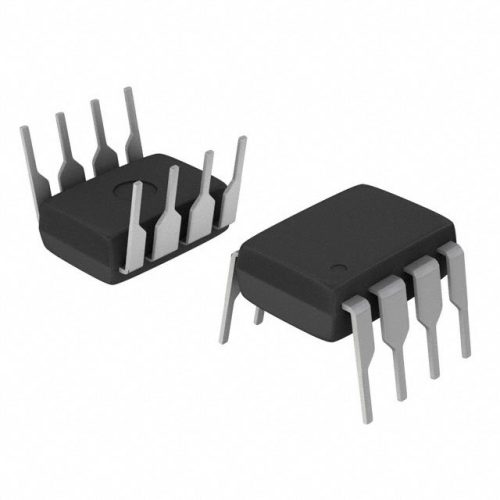
“Buy MAX9312ECJ+ Precision Voltage Comparator in DIP Package for Reliable Performance”
-
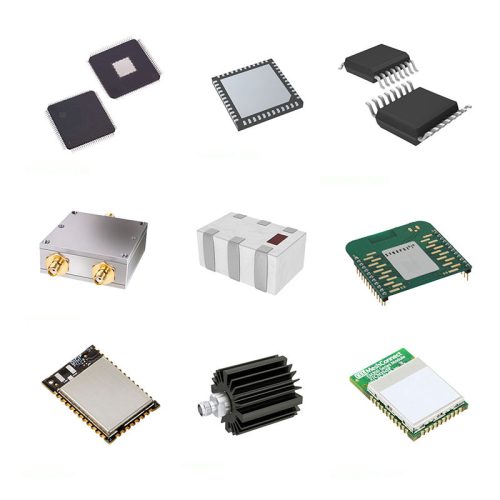
QCC-711-1-MQFN48C-TR-03-1 Bluetooth Audio SoC with MQFN48C Package

-

0339-671-TLM-E Model – High-Performance TLM-E Package for Enhanced Functionality

-
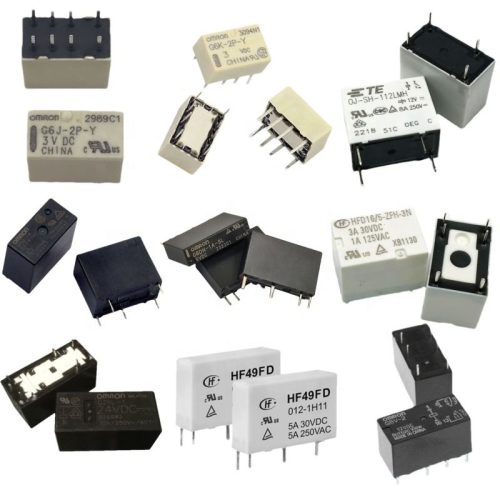
1-1415898-4 Connector Housing, Electrical Wire-to-Board, Receptacle, Packaged
How does this device compare in terms of power efficiency?
Compared to other FPGAs, the XC7K70T-2FBG484C is designed to operate with low power consumption, making it an efficient choice for power-sensitive applications.
What is the maximum operating frequency of the XC7K70T-2FBG484C?
The maximum operating frequency of this FPGA is 350 MHz, providing high-speed processing capabilities essential for data-intensive applications.
📩 Contact Us
Can the XC7K70T-2FBG484C be used in extreme temperature environments?
Yes, this device operates effectively within a temperature range of -40??C to 100??C, making it suitable for harsh environmental conditions.
What advantages does the scalable architecture provide?
The scalable architecture allows for easy upgrades and expansions, enabling users to adapt to evolving project requirements without significant redesign efforts.
