


XC7K325T-1FBG676C Overview
The XC7K325T-1FBG676C is a high-performance FPGA from the Kintex-7 family, designed to deliver exceptional flexibility and efficiency for a variety of applications. With advanced 28nm technology, this device offers a balance of power and performance, making it ideal for demanding environments. It integrates multiple features that enhance design capabilities while reducing time to market, providing engineers and sourcing specialists with a robust solution for their needs. For more details, visit IC Manufacturer.
XC7K325T-1FBG676C Key Features
- High Logic Density: With 325,000 logic cells, it supports complex designs, enabling engineers to implement sophisticated algorithms efficiently.
- Advanced I/O Standards: Compatible with various I/O interfaces, it enhances connectivity options, crucial for modern applications requiring high-speed data transfer.
- Low Power Consumption: Designed for energy efficiency, this FPGA minimizes power usage without compromising performance, which is vital for battery-operated devices.
- Flexible Configuration: The device supports multiple configuration modes, allowing for adaptability in design implementations.
XC7K325T-1FBG676C Technical Specifications
| Parameter | Value |
|---|---|
| Logic Cells | 325,000 |
| Lookup Tables (LUTs) | 1,080 |
| Flip-Flops | 650,000 |
| DSP Slices | 840 |
| Block RAM | 18Mb |
| Max I/O Pins | 676 |
| Configuration Time | 2.5 seconds |
| Operating Voltage | 1.0V to 1.2V |
XC7K325T-1FBG676C Advantages vs Typical Alternatives
This FPGA stands out against typical alternatives by providing a compelling blend of high logic density and low power consumption. Its advanced I/O support and flexibility in configuration enhance integration capabilities, making it a superior choice for engineers aiming for reliability and performance in their projects.
🔥 Best-Selling Products

Typical Applications
- Telecommunications: Ideal for high-speed data processing, the XC7K325T-1FBG676C supports complex networking applications, facilitating efficient data routing and management.
- Embedded Systems: Its power efficiency and logic density make it suitable for embedded applications, allowing for smarter, faster devices.
- Industrial Automation: The device is well-suited for control systems in industrial settings, enabling real-time processing and monitoring.
- Medical Devices: With its reliable performance, it can be used in medical imaging and diagnostic equipment, ensuring high accuracy and efficiency.
XC7K325T-1FBG676C Brand Info
The XC7K325T-1FBG676C belongs to the Kintex-7 series, a product line known for its innovative technology and high performance in various sectors. This brand is recognized for pushing the boundaries of FPGA capabilities, providing engineers with tools to create cutting-edge solutions in their applications.
FAQ
What is the primary use case for the XC7K325T-1FBG676C?
This FPGA is primarily used in applications that require high processing power and flexibility, such as telecommunications, industrial automation, and embedded systems.
🌟 Featured Products
-

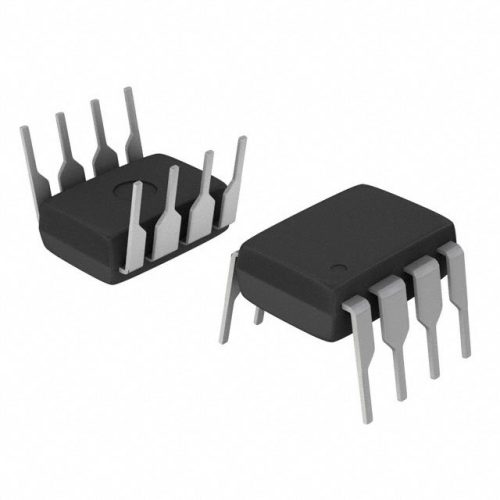
“Buy MAX9312ECJ+ Precision Voltage Comparator in DIP Package for Reliable Performance”
-
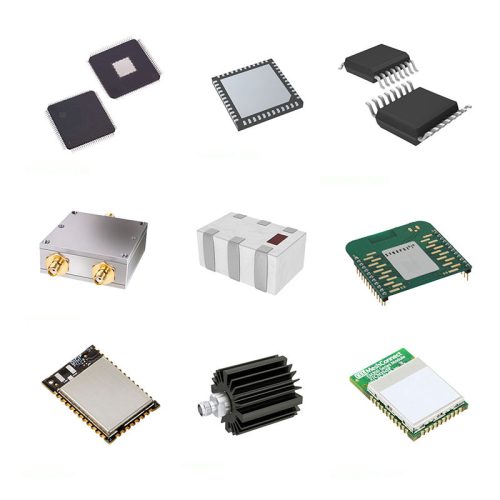
QCC-711-1-MQFN48C-TR-03-1 Bluetooth Audio SoC with MQFN48C Package

-

0339-671-TLM-E Model – High-Performance TLM-E Package for Enhanced Functionality

-
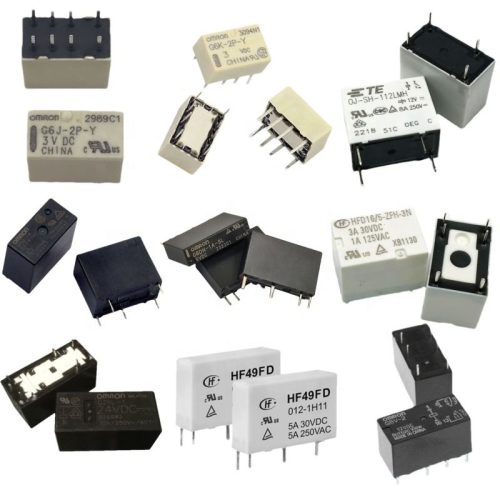
1-1415898-4 Connector Housing, Electrical Wire-to-Board, Receptacle, Packaged
What are the power requirements for this device?
The XC7K325T-1FBG676C operates within a voltage range of 1.0V to 1.2V, making it suitable for low-power applications.
How does the XC7K325T-1FBG676C compare to other FPGAs in terms of performance?
Compared to other FPGAs, this model offers superior logic density and power efficiency, making it ideal for high-performance applications.
📩 Contact Us
Can the XC7K325T-1FBG676C be used in medical applications?
Yes, its reliability and performance make it suitable for various medical devices, including imaging and diagnostic tools that require precise data processing.
What types of I/O standards does this FPGA support?
The device supports a range of advanced I/O standards, allowing for versatile connectivity options essential for modern electronic designs.
