


XC7A100T-2FGG484C Overview
The XC7A100T-2FGG484C is a versatile FPGA designed for a wide range of applications in industrial and commercial sectors. Featuring a balance of performance, efficiency, and configurability, this device enables engineers to implement complex logic functions with ease. Built on advanced semiconductor technology, it offers high-speed operation and low power consumption, making it an ideal choice for demanding environments. For more details, visit IC Manufacturer.
XC7A100T-2FGG484C Key Features
- High Logic Density: The XC7A100T-2FGG484C supports a significant number of logic elements, which allows for complex design implementations without sacrificing performance.
- Low Power Consumption: This FPGA is optimized for low power operation, enabling energy-efficient designs, which is crucial for battery-powered and portable applications.
- Flexible I/O Configuration: With multiple I/O standards supported, users can customize pin assignments, enhancing integration into various systems.
- Robust Design Ecosystem: The device is compatible with a wide array of development tools and resources, streamlining the design and debugging process.
XC7A100T-2FGG484C Technical Specifications
| Parameter | Value |
|---|---|
| Logic Cells | 100,000 |
| Max I/O Pins | 300 |
| Package Type | FGG484 |
| Operating Voltage | 0.95V to 1.05V |
| Power Supply | Single Supply |
| Operating Temperature Range | -40??C to +100??C |
| Maximum Clock Frequency | 450 MHz |
| Architecture | 7-Series FPGA |
XC7A100T-2FGG484C Advantages vs Typical Alternatives
The XC7A100T-2FGG484C stands out due to its high logic density and low power consumption compared to typical alternatives. This combination allows engineers to design more complex systems while minimizing energy costs, making it an excellent choice for applications requiring both performance and efficiency.
🔥 Best-Selling Products

Typical Applications
- Industrial Automation: Ideal for controlling machinery and processing data in real-time, enhancing operational efficiency and reliability.
- Telecommunications: Supports high-speed data transmission, making it suitable for networking equipment and communication devices.
- Medical Devices: Can be used in diagnostic and monitoring equipment, ensuring precision and reliability in critical healthcare applications.
- Consumer Electronics: Enables the development of smart and connected devices, improving user experience through advanced functionality.
XC7A100T-2FGG484C Brand Info
The XC7A100T-2FGG484C is part of a renowned brand known for its commitment to innovation in the semiconductor industry. This product exemplifies the brand’s dedication to providing high-performance solutions that meet the evolving needs of engineers and developers across various sectors.
FAQ
What is the maximum operating frequency of the XC7A100T-2FGG484C?
The maximum operating frequency of this FPGA is 450 MHz, allowing for high-speed processing capabilities essential for demanding applications.
🌟 Featured Products
-

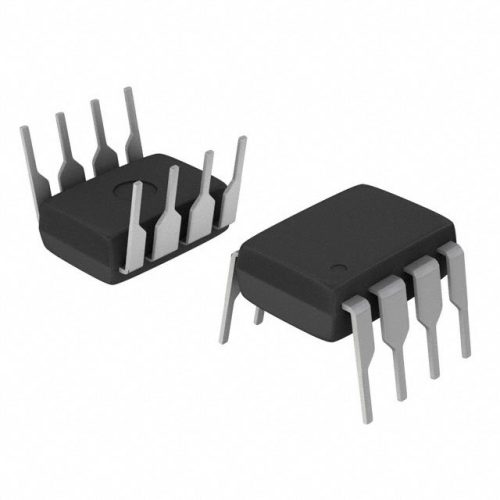
“Buy MAX9312ECJ+ Precision Voltage Comparator in DIP Package for Reliable Performance”
-
QCC-711-1-MQFN48C-TR-03-1 Bluetooth Audio SoC with MQFN48C Package

-

0339-671-TLM-E Model – High-Performance TLM-E Package for Enhanced Functionality

-
1-1415898-4 Connector Housing, Electrical Wire-to-Board, Receptacle, Packaged
What are the typical operating conditions for this FPGA?
The XC7A100T-2FGG484C operates within a temperature range of -40??C to +100??C, making it suitable for a variety of environments, including harsh conditions.
How many logic cells does the XC7A100T-2FGG484C have?
This FPGA features 100,000 logic cells, providing ample resources for complex designs and enabling a wide range of applications.
📩 Contact Us
What type of package does the XC7A100T-2FGG484C use?
The device is housed in an FGG484 package, which provides robust physical protection and facilitates easy integration into various systems.
Can the XC7A100T-2FGG484C support multiple I/O standards?
Yes, the XC7A100T-2FGG484C supports flexible I/O configurations, accommodating multiple I/O standards for enhanced system integration.
