


XC6SLX75-3CSG484I Overview
The XC6SLX75-3CSG484I is a high-performance FPGA designed for a variety of industrial applications. With its advanced features and robust architecture, this device provides exceptional processing capabilities while maintaining low power consumption. Its flexible I/O configuration allows for seamless integration into existing systems, making it an ideal choice for engineers and sourcing specialists looking to enhance their designs. For comprehensive details, visit IC Manufacturer.
XC6SLX75-3CSG484I Key Features
- High Logic Density: Offers 75,000 logic cells, enabling complex design implementations without compromising performance.
- Low Power Operation: Designed for energy efficiency, this model ensures minimal power consumption, which is crucial for battery-operated and power-sensitive applications.
- Versatile I/O Configuration: Supports a range of I/O standards, enhancing compatibility with various peripherals and simplifying system integration.
- Reliable Performance: Built with advanced technology, ensuring consistent operation even in demanding environments, reducing downtime and maintenance costs.
XC6SLX75-3CSG484I Technical Specifications
| Parameter | Value |
|---|---|
| Logic Cells | 75,000 |
| Maximum I/O Pins | 484 |
| Package Type | CSG484 |
| Operating Voltage | 1.2V |
| Temperature Range | -40??C to +100??C |
| Maximum Clock Frequency | 400 MHz |
| Configuration Memory | 256 Kbit |
| Power Consumption | 1.5 W |
XC6SLX75-3CSG484I Advantages vs Typical Alternatives
This FPGA model provides superior performance compared to typical alternatives due to its high logic density and low power operation, which optimize both energy efficiency and processing capabilities. Its versatile I/O configuration also allows for greater adaptability in various applications, making it a compelling choice for engineers seeking reliable solutions.
🔥 Best-Selling Products

Typical Applications
- Industrial Automation: Ideal for controlling complex machinery and processes, ensuring precise operations and high reliability in harsh environments.
- Telecommunications: Suitable for high-speed data processing and signal management, enhancing communication systems.
- Embedded Systems: Perfect for custom embedded applications requiring flexibility and performance.
- Medical Devices: Used in diagnostic and monitoring systems, ensuring compliance with stringent reliability standards.
XC6SLX75-3CSG484I Brand Info
The XC6SLX75-3CSG484I is a product of a leading brand in the semiconductor industry, known for its innovative FPGA solutions. This device reflects the brand’s commitment to quality, performance, and reliability, catering to the evolving needs of engineers and system designers across various sectors. With extensive support and resources, users can leverage this FPGA for advanced applications.
FAQ
What is the primary use of the XC6SLX75-3CSG484I?
This FPGA is primarily used in industrial automation, telecommunications, and embedded systems, providing the flexibility and processing power needed for complex applications.
🌟 Featured Products
-

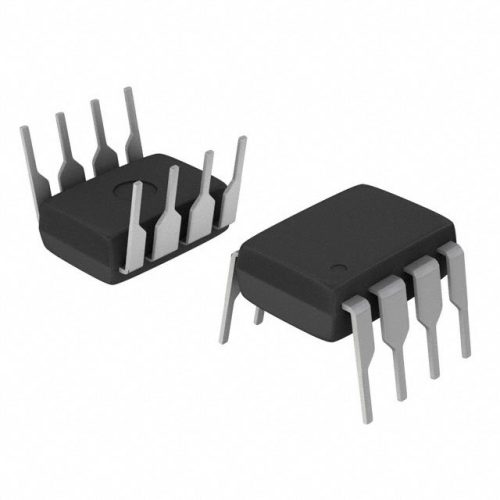
“Buy MAX9312ECJ+ Precision Voltage Comparator in DIP Package for Reliable Performance”
-
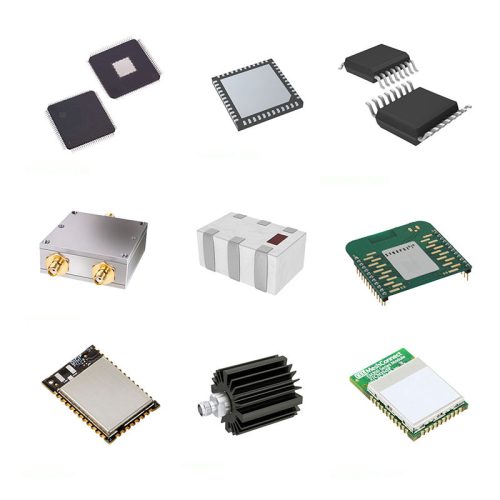
QCC-711-1-MQFN48C-TR-03-1 Bluetooth Audio SoC with MQFN48C Package

-

0339-671-TLM-E Model – High-Performance TLM-E Package for Enhanced Functionality

-
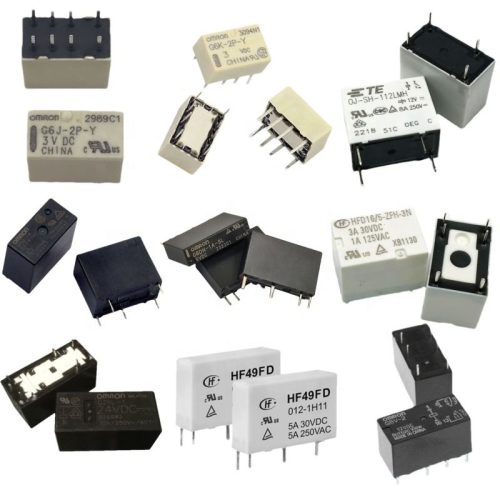
1-1415898-4 Connector Housing, Electrical Wire-to-Board, Receptacle, Packaged
What are the power requirements for this FPGA?
The device operates at 1.2V and has a maximum power consumption of 1.5 W, making it suitable for power-sensitive applications.
Can the XC6SLX75-3CSG484I operate in harsh environments?
Yes, it has a temperature range of -40??C to +100??C, ensuring reliable performance in demanding conditions.
📩 Contact Us
How many logic cells does the XC6SLX75-3CSG484I have?
This model features 75,000 logic cells, allowing for the implementation of complex designs without performance degradation.
What type of I/O pins does the XC6SLX75-3CSG484I support?
The FPGA supports a variety of I/O standards, providing versatility for different interfaces and improving system integration.