


XC6SLX25-3FGG484C Overview
The XC6SLX25-3FGG484C is a scalable and versatile FPGA solution designed for high-performance applications in various industries. With its low-power consumption and high logic density, it facilitates efficient design and integration into complex systems. This device is ideal for engineers seeking flexibility and performance in their electronic designs, enhancing productivity and reliability. For more information, visit IC Manufacturer.
XC6SLX25-3FGG484C Key Features
- Low Power Consumption: This FPGA is designed to operate with minimal power, making it suitable for battery-operated and energy-sensitive applications.
- High Logic Density: Providing a substantial number of logic cells allows for complex designs and efficient use of space on PCBs.
- Flexible I/O Configuration: The device supports various I/O standards, enabling seamless integration with diverse peripherals and systems.
- Built-in Hard IP: Integrated features such as DSP slices and memory blocks enhance processing capabilities while reducing design time.
XC6SLX25-3FGG484C Technical Specifications
| Attribute | Value |
|---|---|
| Logic Cells | 25,000 |
| Maximum I/O Pins | 232 |
| RAM Blocks | 1.5 Mbits |
| DSP Slices | 18 |
| Operating Voltage | 1.2V |
| Package Type | FGG484 |
| Temperature Range | -40??C to +100??C |
| Power Supply | Low Power |
XC6SLX25-3FGG484C Advantages vs Typical Alternatives
This FPGA offers significant advantages over typical alternatives, particularly in terms of power efficiency and integration capabilities. Engineers will benefit from its high logic density and flexible I/O options, which simplify design processes and enhance performance across various applications.
🔥 Best-Selling Products

Typical Applications
- Embedded Systems: Ideal for use in embedded applications where space and power constraints are critical, enabling advanced functionalities in compact designs.
- Data Processing: Suitable for real-time data processing tasks, leveraging its DSP slices for efficient computation.
- Industrial Automation: Employed in automation systems for controlling machinery and processes, ensuring reliability and responsiveness.
- Communications: Utilized in communication systems to manage data routing and processing while supporting various protocols.
XC6SLX25-3FGG484C Brand Info
The XC6SLX25-3FGG484C is manufactured by a leading brand in the semiconductor industry, known for its commitment to innovation and quality. This device reflects the brand’s dedication to providing high-performance, reliable solutions for engineers and designers in various sectors, including telecommunications, automotive, and industrial applications.
FAQ
What is the primary use of the XC6SLX25-3FGG484C?
This FPGA is primarily used in applications requiring high logic density and low power consumption, making it suitable for embedded systems and real-time data processing tasks.
🌟 Featured Products
-

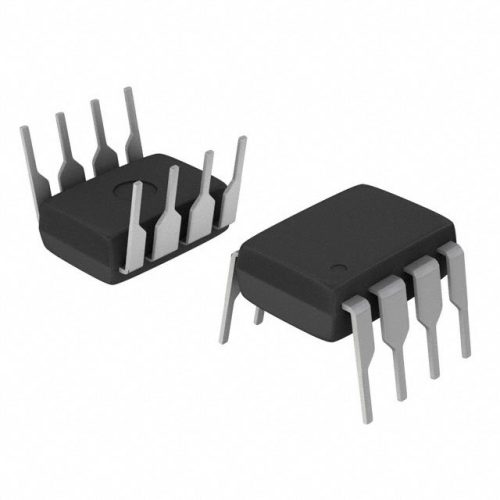
“Buy MAX9312ECJ+ Precision Voltage Comparator in DIP Package for Reliable Performance”
-
QCC-711-1-MQFN48C-TR-03-1 Bluetooth Audio SoC with MQFN48C Package

-

0339-671-TLM-E Model – High-Performance TLM-E Package for Enhanced Functionality

-
1-1415898-4 Connector Housing, Electrical Wire-to-Board, Receptacle, Packaged
How does the XC6SLX25-3FGG484C compare to other FPGAs?
Compared to other FPGAs, this device excels in power efficiency and offers a flexible I/O configuration, making it a preferred choice for applications with stringent power and space requirements.
What kind of support is available for this FPGA?
Comprehensive support resources are available, including datasheets, reference designs, and application notes, assisting engineers in leveraging the full potential of the FPGA in their projects.
📩 Contact Us
Can the XC6SLX25-3FGG484C be used in automotive applications?
Yes, this FPGA is suitable for automotive applications, particularly due to its wide temperature range and reliability in demanding environments.
What are the programming options for the XC6SLX25-3FGG484C?
The FPGA can be programmed using various hardware description languages (HDLs) such as VHDL and Verilog, allowing for flexibility in design and implementation.