
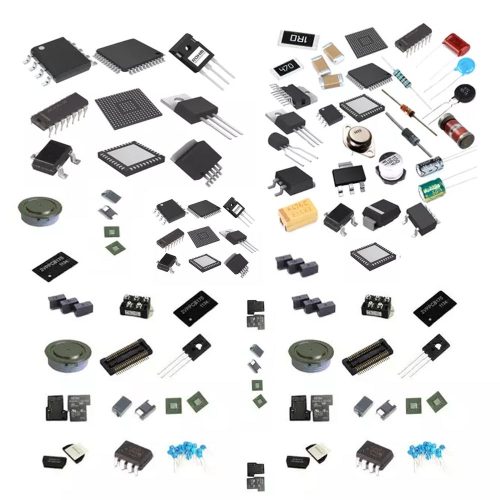

TMS5704357BZWTQQ1 Overview
The TMS5704357BZWTQQ1 is an automotive-grade microcontroller designed for safety-critical embedded control. It combines deterministic real-time performance with integrated memory and robust interfaces to meet higher-reliability system requirements. The device targets applications that need stronger fault containment, larger code storage, and faster control loops compared with typical general-purpose MCUs. For sourcing and additional procurement details visit IC Manufacturer.
TMS5704357BZWTQQ1 Technical Specifications
| Core Architecture | ARM Cortex-R5F, dual-core |
| Maximum CPU Frequency | 300 MHz |
| On-chip Flash Memory | 2 MB |
| On-chip RAM | 256 KB |
| Temperature Range | -40 ??C to +125 ??C |
| Package Type | VFBGA, 337-ball |
| Automotive Qualification | AEC-Q100 (Q1) |
| Operating Voltage | 1.0?C3.6 V |
| Safety Certification Support | ISO 26262 functional safety features |
| Number of CAN Interfaces | 4 CAN FD |
TMS5704357BZWTQQ1 Key Features
- Real-time dual-core ARM Cortex-R5F processing for deterministic control and higher throughput.
- Large integrated Flash (2 MB) and SRAM (256 KB) to host expanded firmware and multiple safety stacks, reducing external memory needs.
- Automotive-grade qualification (Q1) and extended temperature rating for reliable operation in demanding vehicle environments.
- Multiple CAN FD interfaces and on-chip peripherals to simplify integration with vehicle networks and sensors.
Typical Applications
- Powertrain and engine control systems that demand deterministic response times and robust isolation of safety functions to meet functional-safety targets in road vehicles.
- Safety-domain controllers where redundant processing and larger local memory enable over-the-air updates and diagnostic logging with minimal external components.
- Electric vehicle motor control and inverter management that need higher compute per channel for advanced torque and field-oriented control algorithms.
- Advanced driver assistance subsystems that require multiple CAN FD buses and real-time task scheduling for sensor fusion and actuator coordination.
TMS5704357BZWTQQ1 Advantages vs Typical Alternatives
The device offers stronger deterministic performance and more on-chip memory compared with many general-purpose microcontrollers, enabling larger safety stacks and faster control loops without adding external flash. Its dual-core Cortex-R5F architecture provides better isolation and redundancy than single-core MCUs, while automotive-grade (Q1) qualification and extended temperature rating give higher reliability for vehicle-level deployments. These factors yield lower system complexity and fewer discrete components versus typical alternative solutions.
🔥 Best-Selling Products
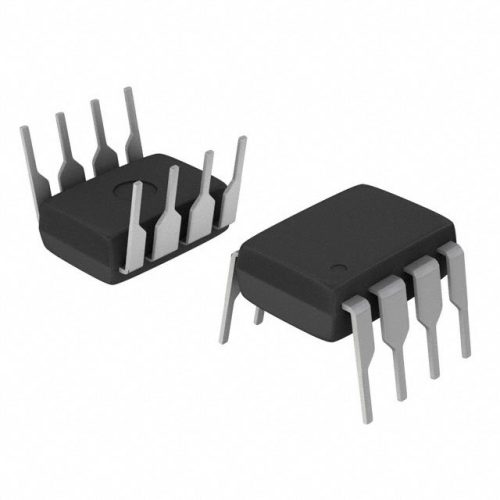
TMS5704357BZWTQQ1 Brand Info
TMS5704357BZWTQQ1 is manufactured by Texas Instruments, a global semiconductor company known for industrial and automotive microcontrollers. TI??s embedded processing portfolio emphasizes safety, integration, and long-term availability for automotive and industrial customers.
FAQ
Is this MCU automotive qualified?
Yes. The suffix indicates AEC-Q100 (Q1) qualification and the device is specified for extended automotive temperature ranges suitable for in-vehicle use.
🌟 Featured Products
-

“Buy MAX9312ECJ+ Precision Voltage Comparator in DIP Package for Reliable Performance”
-
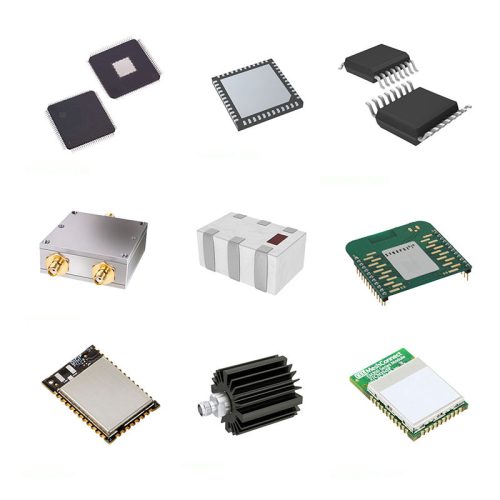
QCC-711-1-MQFN48C-TR-03-1 Bluetooth Audio SoC with MQFN48C Package

-

0339-671-TLM-E Model – High-Performance TLM-E Package for Enhanced Functionality

-
1-1415898-4 Connector Housing, Electrical Wire-to-Board, Receptacle, Packaged
What core does the device use?
The microcontroller uses ARM Cortex-R5F cores designed for real-time and safety-critical embedded control, providing deterministic execution and better fault containment than typical application cores.
How much on-chip memory is available?
The device integrates substantial on-chip Flash and SRAM to reduce dependence on external memory, enabling larger firmware images and runtime safety data logging within the MCU itself.
📩 Contact Us
Which vehicle networks are supported?
The MCU includes multiple CAN FD interfaces and other standard automotive I/O to connect to gateways, sensors, and actuators commonly used in modern vehicle architectures.
What temperature range does it support?
This part is specified for extended automotive operating temperatures to maintain functionality across colder and hotter conditions typical of under-hood and vehicle-body environments.