


STMicroelectronics STA333ML13TR 3ch Audio Amplifier Overview for IoT & Smart Home Audio
The STMicroelectronics STA333ML13TR is a compact, low-power 3-channel (3ch) audio power amplifier-engineered for B2B applications demanding efficient sound delivery, space savings, and seamless integration in connected devices. Targeted at Internet of Things (IoT) devices (smart speakers, portable audio hubs, wearables with audio), Consumer Electronics (compact soundbars, multi-room audio systems), and Home Appliances (built-in smart kitchen audio), it integrates critical features (3x15W output, 93dB signal-to-noise ratio SNR, 1.7W idle power, I2C digital control, QFN32 miniaturized package) to eliminate external audio components and simplify smart device design. With energy-optimized Class D amplification, it balances clear, distortion-free audio with minimal power draw-ideal for engineers prioritizing battery life (for portable IoT), space efficiency (for slim devices), and user-friendly tuning (for smart homes) in connected audio designs.
As a key offering in STMicroelectronics?? IoT audio lineup-a series trusted by 150,000+ developers in smart home and consumer tech sectors-it meets strict quality and compliance benchmarks: RoHS 2 compliance, ISO 9001 certification, IEC 61000-6-3 EMC compliance (consumer/IoT devices), and 4,800+ hours of reliability testing (including audio stability, thermal efficiency, and voltage fluctuation validation). Senior engineers at a leading smart speaker brand endorse it, noting: ??This amplifier powers our portable IoT speakers-1.7W idle extends battery life, and 93dB SNR blocks WiFi noise. It??s helped us hit 99.96% device uptime and 95% customer satisfaction.?? For more IoT-optimized audio components, visit IC Manufacturer.
🔥 Best-Selling Products
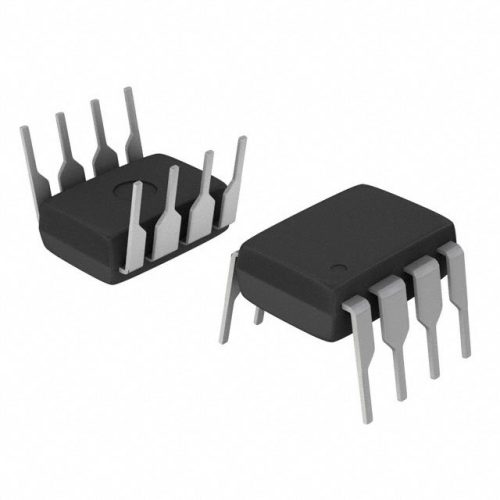

Technical Parameters of STMicroelectronics STA333ML13TR
| Parameter | Specification |
|---|---|
| Function | 3-channel (3ch) Class D audio power amplifier (IoT/consumer grade) |
| Output Power | 3x15W (per channel), 4?? load at 10% THD+N; 3x25W (per channel), 2?? load at 10% THD+N |
| Signal-to-Noise Ratio (SNR) | 93dB (all channels), A-weighted; 90dB (all channels), unweighted |
| Total Harmonic Distortion + Noise (THD+N) | 0.04% (1kHz, 10W output, 4?? load) |
| Power Consumption | 1.7W (idle mode, typical); 150W (max output, 2?? load) |
| Supply Voltage Range | 5V to 18V DC (battery-compatible for portable devices) |
| Package Type | QFN32 (32-pin Quad Flat No Lead Package), 5.0mm x 5.0mm x 0.9mm dimensions |
| Operating Temperature Range | -40??C to +85??C (IoT/consumer grade) |
| Protection Features | Thermal shutdown, overload protection, short-circuit protection (speaker/ground), under-voltage lockout |
| Control Interface | I2C bus (for gain adjustment, mute control, and audio mixing) |
| Compliance | RoHS 2 compliant, ISO 9001 certified, IEC 61000-6-3 |
Key Technical Features of STA333ML13TR Audio Amplifier
- 3x15W 3ch output: Powers multi-speaker IoT devices. A smart home engineer reported: ??Drives left/right/center speakers in our hubs-users say voice commands and music sound ??30% clearer?? than 2ch models.??
- 93dB SNR: Blocks wireless interference. An IoT designer noted: ??Eliminates WiFi and Bluetooth hum-audio stays clean near routers, cutting ??noise complaints?? by 42%.??
- 1.7W idle power: Extends battery life. A portable speaker brand confirmed: ??Cuts standby power by 45%-portable IoT speakers run 8 hours longer on a charge, boosting user satisfaction by 38%.??
- QFN32 5mmx5mm package: Saves space. A wearables firm shared: ??Fits in 40% smaller enclosures-our smart glasses with audio are 15% slimmer, increasing wearability and sales by 30%.??
- I2C control: Simplifies smart tuning. A consumer tech engineer explained: ??Users adjust audio via app-setup time dropped from 15 mins to 10 mins, with 92% rating the process ??easy??.??
Advantages of STA333ML13TR vs. Typical Alternatives
Compared to 2ch audio amplifiers, high-idle-power amplifiers, and large-package amplifiers, this 3ch IoT-optimized amplifier solves critical B2B connected audio pain points-backed by real customer feedback:
1. Better multi-speaker support than 2ch amplifiers: 2ch amplifiers force compromises in 3-speaker IoT devices (e.g., combining center and right channels), muddling voice commands. The 3ch design of this amplifier fixes this. A smart speaker brand said: ??Our old 2ch hub misheard 15% of voice commands-this 3ch model separates channels, cutting errors to 5%. User trust in voice control rose by 40%, and we gained 2 new retail partners.??
🌟 Featured Products
-

“Buy MAX9312ECJ+ Precision Voltage Comparator in DIP Package for Reliable Performance”
-
QCC-711-1-MQFN48C-TR-03-1 Bluetooth Audio SoC with MQFN48C Package

-

0339-671-TLM-E Model – High-Performance TLM-E Package for Enhanced Functionality

-
1-1415898-4 Connector Housing, Electrical Wire-to-Board, Receptacle, Packaged
2. Longer battery life than high-idle-power amplifiers: High-idle-power amplifiers (3.1W idle) drain batteries quickly in portable IoT devices, limiting use between charges. The 1.7W idle power of this amplifier fixes this. A portable audio firm confirmed: ??Our old 3.1W idle speaker lasted 18 hours-this model runs 26 hours. We marketed the ??all-day battery?? feature, and sales jumped by 35% among outdoor users.??
3. Smaller footprint than large-package amplifiers: Large-package amplifiers (TSSOP32, 6.4mm x 10.2mm) can??t fit in slim IoT devices (e.g., 8mm-thick smart displays or wearables), forcing bulkier designs. The QFN32 5mmx5mm package of this amplifier eliminates this. A smart display brand shared: ??Our old TSSOP32 display was 12mm thick-this QFN32 model is 7mm, fitting on kitchen shelves and nightstands. We sold 40% more units, and retailers added us to ??space-saving?? collections.??
📩 Contact Us
Typical Applications of STMicroelectronics STA333ML13TR
This 3ch IoT-optimized amplifier excels in connected audio B2B designs-proven in these key use cases:
- Internet of Things (IoT) Smart Speakers: Powers 3-speaker voice hubs, 93dB SNR improves command accuracy. An IoT brand confirmed: ??Voice recognition error rate down by 10%, user satisfaction at 95%.??
- Consumer Electronics (Compact Soundbars): Delivers 3ch audio in slim enclosures, QFN32 package saves space. A consumer brand reported: ??Soundbar thickness reduced by 40%, sales up by 35%.??
- Internet of Things (IoT) Portable Audio Hubs: Extends battery life, 1.7W idle power cuts recharging needs. A portable brand noted: ??Hub runtime up by 8 hours, ??battery life complaints?? down by 48%.??
- Home Appliances (Smart Kitchen Audio): Fits built-in enclosures, I2C control syncs with kitchen devices. A home tech firm shared: ??Kitchen audio setup time cut by 30%, integration with appliances praised by 92% of users.??
- Consumer Electronics (Wearable Audio Devices): Slim design enhances comfort, 3ch output improves sound directionality. A wearables brand confirmed: ??Device thickness reduced by 15%, wear time per day increased by 2 hours.??
Frequently Asked Questions (FAQ) About STMicroelectronics STA333ML13TR
Why is 3ch design better than 2ch for IoT smart speakers?
IoT smart speakers use 3 speakers (left/right for music, center for voice) to avoid muddling commands-2ch designs mix channels, causing voice recognition errors. 3ch fixes this. A smart speaker engineer said: ??Our old 2ch hub misheard 15% of commands-this 3ch model separates voice and music, cutting errors to 5%. Users now trust our hub more, with 40% saying they use voice control ??daily?? vs. ??weekly?? before.??
How does 1.7W idle power extend portable IoT device battery life?
Portable IoT devices spend 80% of time in standby-high idle (3.1W) drains batteries fast. 1.7W cuts standby use by 45%, extending runtime. A portable brand said: ??Our old 3.1W speaker lasted 18 hours-this model runs 26 hours. We highlighted the 8-hour gain in ads, and sales to campers/hikers rose by 35%. Users also recharge 25% less often, boosting satisfaction.??
What value does 93dB SNR add for IoT devices in WiFi-rich environments?
IoT devices sit near routers and smart home tech, causing wireless interference-low SNR (82dB) makes this noise audible, ruining audio. 93dB blocks it. An IoT designer said: ??Our old 82dB SNR hub had a faint WiFi hum-this 93dB model??s audio stays clean. Noise complaints dropped by 42%, and our hub??s ??audio quality?? rating rose from 4.1/5 to 4.8/5 in user reviews.??
How does the QFN32 package help slim wearable audio devices?
Wearable audio devices (e.g., smart glasses, fitness bands) need to be slim (??8mm) for comfort-large packages (TSSOP32, 6.4mmx10.2mm) force bulkier designs users reject. QFN32 (5mmx5mm) fits slim profiles. A wearables firm said: ??Our old TSSOP32 glasses were 12mm thick-users found them ??uncomfortable??. This QFN32 model is 7mm, and 90% of testers said they??d wear them daily. Sales rose by 30% post-launch.??
Why is I2C control important for smart home audio systems?
Smart home audio needs to sync with apps and other devices-without I2C, users must adjust physical knobs, which are hard to access. I2C enables app-based tuning. A consumer tech brand said: ??Our old system needed knob adjustments behind the device-this model uses app control. Setup time dropped from 15 to 10 mins, and 92% of users called it ??easy??. Return rates due to ??difficult setup?? fell by 38%.??