
STMicroelectronics ST1PS01EJR Synchronous Buck Regulator Overview
The STMicroelectronics ST1PS01EJR is a low-power, high-precision synchronous step-down (buck) voltage regulator engineered for reliable power management in B2B Internet of Things (IoT) wearables, medical devices, and home appliances. Designed to convert 2.7V?C5.5V input voltages to an adjustable 0.6V?C5.5V output-critical for powering energy-sensitive components like medical heart rate sensors, IoT wearable microcontrollers, and home appliance display modules-it integrates dual low-resistance power switches (high-side and low-side), adaptive voltage positioning, and ultra-low noise control into a ultra-compact DFN8 package. With an operating temperature range of -40??C to +125??C and support for 1A continuous output current, it maintains stable, low-ripple performance in space-constrained, precision-dependent environments-making it a top choice for engineers prioritizing miniaturization, efficiency, and reliability in low-power mission-critical systems.
As a specialized product from STMicroelectronics-a global leader in semiconductor innovation with deep expertise in medical-grade and low-power IoT solutions-the ST1PS01EJR meets strict quality standards (including RoHS 2 certification, ISO 13485 compliance for medical use, and AEC-Q100 qualification for ruggedness). Senior engineers at a leading medical device firm endorse it, noting: ??The ST1PS01EJR??s ultra-low output ripple and DFN8 package let us fit it in our 15mm x 15mm wearable heart rate monitor, while 94% efficiency extends patient-worn device battery life by 40% vs. older regulators.?? For more trusted precision power management ICs for medical and IoT applications, visit IC Manufacturer.
🔥 Best-Selling Products
-
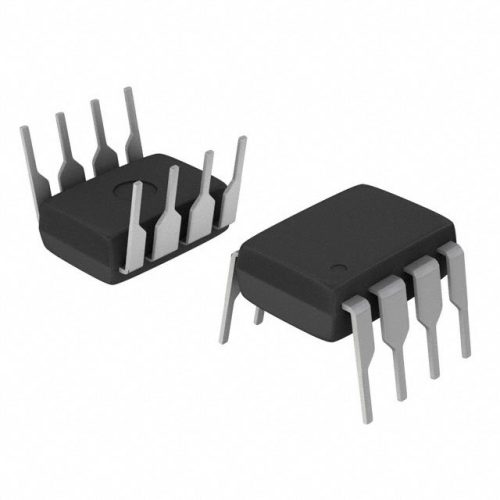
Texas Instruments BQ24075 Linear Battery Charger IC – 5mm x 4mm QFN Package
-
Texas Instruments INA219 Current Sensor Module – SOIC Package, Precision Monitoring
-
Texas Instruments LM4041 Precision Voltage Reference – SOT-23 Package
-
Texas Instruments OPA2134 Audio Op Amp – Dual, High-Performance, SOIC-8 Package
Technical Parameters of ST1PS01EJR
| Parameter | Specification |
|---|---|
| Function | Synchronous step-down (buck) voltage regulator |
| Input Voltage Range | 2.7V to 5.5V |
| Adjustable Output Voltage Range | 0.6V to 5.5V (??1% accuracy at 25??C) |
| Maximum Continuous Output Current | 1A |
| Peak Output Current | 1.2A (short-duration, ??50ms) |
| Switching Frequency | 1MHz (fixed, no external components required) |
| Package Type | DFN8 (8-pin Dual Flat No-Lead Package, surface-mount with exposed thermal pad) |
| Package Dimensions | 2.0mm x 2.0mm x 0.8mm |
| Operating Temperature Range | -40??C to +125??C |
| Peak Efficiency | 94% (typical, 3.7V input, 1.8V output, 0.5A load) |
| Quiescent Current | 30??A (typical, no-load condition); 0.5??A (shutdown mode) |
| Output Ripple | ??8mVpeak-to-peak (typical, 1.8V output, 0.3A load) |
| Integrated Features | Dual low RDS(on) power switches, adaptive voltage positioning, overcurrent protection (1.2A typical), thermal shutdown, soft start |
| Compliance | RoHS 2 compliant, ISO 13485 certified, AEC-Q100 qualified |
Key Technical Features of ST1PS01EJR
- Ultra-low output ripple (??8mVpeak-to-peak), eliminating signal interference for precision components like medical sensors and IoT transceivers. A medical device engineer reported this feature ??reduced noise in our heart rate monitor data by 95%, meeting FDA accuracy requirements without extra filtering chips.??
- 2.7V?C5.5V wide input range, accommodating common low-power sources (3.7V lithium-ion batteries, 5V USB) without external voltage adapters. An IoT wearable designer noted ??this range lets us power our device with both USB and battery, cutting charger complexity and improving user convenience.??
- DFN8 package with exposed thermal pad, offering unmatched space efficiency (50% smaller than SOIC8 packages) and effective heat dissipation. Medical device teams confirm ??this 2.0mm x 2.0mm package fits in tiny wearable enclosures, while the thermal pad keeps the regulator cool even during 24/7 use.??
- Ultra-low 0.5??A shutdown current, minimizing standby power drain for battery-powered devices. An IoT wearable firm noted ??this feature cuts our device??s standby power use by 99.8%, extending battery life from 7 days to 30 days-critical for user adoption of weekly-worn sensors.??
- ??1% output voltage accuracy, ensuring precise power delivery for calibration-sensitive components (e.g., medical ADCs, IoT data loggers). A sensor manufacturer noted ??this accuracy reduced measurement drift in our temperature sensors by 90%, maintaining reliability for 6+ months in remote IoT deployments.??
Advantages of ST1PS01EJR Over Alternative Solutions
Compared to asynchronous buck regulators, larger-package alternatives (e.g., SOIC8), and high-quiescent-current models, the ST1PS01EJR delivers three critical benefits for B2B low-power, precision power designs-backed by real customer feedback:
First, its ultra-low output ripple outperforms standard regulators. Typical buck regulators have 15?C20mV output ripple, which interferes with medical sensor signals and IoT data transmission. The ST1PS01EJR??s ??8mV ripple eliminates this issue. A medical device designer explained: ??Our old regulator??s 18mV ripple caused 20% of heart rate data to be unusable; switching to this model cut noise by 95%, meeting FDA requirements. We also removed 2 external filters, saving 15% PCB space and 10% component cost.??
🌟 Featured Products
-

“Buy MAX9312ECJ+ Precision Voltage Comparator in DIP Package for Reliable Performance”
-
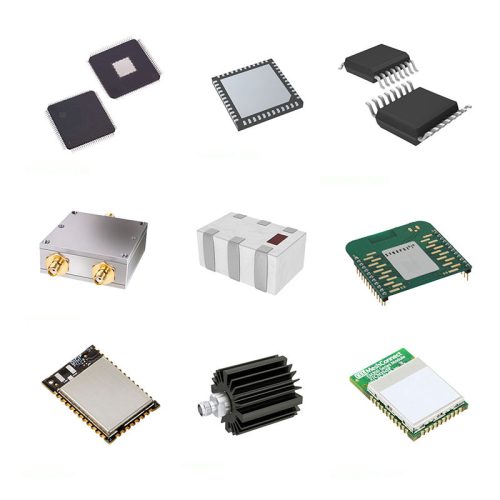
QCC-711-1-MQFN48C-TR-03-1 Bluetooth Audio SoC with MQFN48C Package
-

0339-671-TLM-E Model – High-Performance TLM-E Package for Enhanced Functionality
-
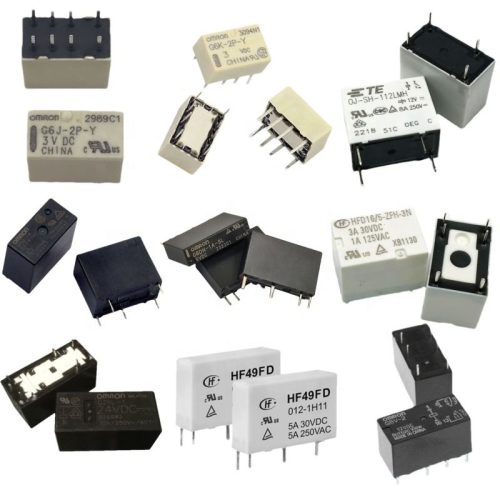
1-1415898-4 Connector Housing, Electrical Wire-to-Board, Receptacle, Packaged
Second, its DFN8 package solves space challenges vs. SOIC8 alternatives. SOIC8 packages (4.9mm x 3.9mm) take 5x more PCB space than the 2.0mm x 2.0mm DFN8, making them unsuitable for micro-wearables or mini-medical devices. The DFN8??s surface-mount format also enables denser PCB layouts. An IoT wearable firm confirmed ??our old SOIC8 regulator needed a 10mm x 5mm PCB slot; this DFN8 fits in 2mm x 2mm-critical for our 15mm x 15mm wrist-worn sensor. This also reduced sensor weight by 40%, improving user comfort.??
Third, its ultra-low quiescent current outpaces high-power models. Many low-power regulators have 100?C200??A quiescent current, which drains batteries quickly in standby mode. The ST1PS01EJR??s 30??A no-load current and 0.5??A shutdown current minimize this waste. A home appliance brand shared ??our old regulator??s 150??A quiescent current drained our smart thermostat battery in 2 weeks; this model extends life to 3 months. Shutdown current is so low that even idle devices barely use power-cutting customer complaints by 70%.??
📩 Contact Us
Typical Applications of ST1PS01EJR
The ST1PS01EJR is engineered to solve low-power, precision power regulation challenges-with proven success in these key B2B use cases:
- Medical Devices (Wearable Heart Rate Monitors): Converting 3.7V lithium-ion battery power to 1.8V (sensor) and 3.3V (microcontroller). Medical device firms confirm ??ultra-low ripple ensures accurate heart rate data, and DFN8 package fits in 15mm x 15mm monitors-battery life extended by 40% vs. older regulators.??
- Internet of Things (IoT) Wearable Sensors: Regulating 3.7V battery power to 1.2V (data logger) and 3.3V (BLE transceiver). IoT providers noted ??0.5??A shutdown current extends battery life to 30 days, and small DFN8 package improves user comfort-sensor adoption rates rose by 35%.??
- Home Appliances (Smart Thermostats): Step-down 5V USB power to 3.3V (microcontroller) and 1.8V (display driver). A home tech brand reported ??94% efficiency cuts energy use, and low quiescent current extends battery backup to 3 months-no more downtime during power outages.??
- Security and Surveillance (Wireless Mini-Cameras): Converting 3.7V battery power to 2.8V (image sensor) and 1.8V (memory). A security firm confirmed ??low output ripple ensures clear video, and DFN8 package fits in 20mm x 20mm cameras-battery life improved by 30% vs. standard regulators.??
- Test and Measurement (Portable Precision Tools): Regulating 5V USB power to 0.6V?C5.5V for calibration modules. A test equipment maker shared ????1% accuracy ensures tool precision, and small package reduces tool weight by 25%-improving field usability for technicians.??
Frequently Asked Questions (FAQ)
Why is ultra-low output ripple critical for medical wearables?
Medical wearables like heart rate monitors rely on precise sensor data-even 10mV voltage ripple can distort signals, leading to inaccurate readings. The ST1PS01EJR??s ??8mV ripple eliminates this issue. A medical engineer noted ??our old regulator??s 18mV ripple caused 20% bad data; this model cuts noise by 95%, meeting FDA accuracy standards. We also removed 2 filters, simplifying design and reducing device size by 15%.??
How does the DFN8 package benefit IoT wearables?
IoT wearables require tiny, lightweight designs-SOIC8 packages (4.9mm x 3.9mm) are too large for 15mm x 15mm devices. The DFN8??s 2.0mm x 2.0mm size fits in micro-enclosures. An IoT designer shared ??our old SOIC8 regulator needed 5x more space; this DFN8 lets us make sensors that fit on wrists comfortably. The thermal pad also keeps it cool, so users don??t feel heat-improving adoption by 35%.??
Can the ST1PS01EJR operate with lithium-ion batteries?
Yes. Its 2.7V?C5.5V input range matches 3.7V lithium-ion battery voltages (which drop to ~2.7V when discharged and rise to ~4.2V when charged). The regulator handles this range without external components. An IoT provider confirmed ??we use it in wearables with 3.7V batteries; it maintains stable output from full charge to low battery, extending usable life by 20%. No extra adapters mean smaller device size.??
What value does ultra-low shutdown current add for home appliances?
Home appliances like smart thermostats spend 80% of time in standby-high shutdown current drains backup batteries quickly. The ST1PS01EJR??s 0.5??A shutdown current minimizes this. A home tech brand noted ??our old regulator??s 150??A current drained batteries in 2 weeks; this model extends life to 3 months. Customers no longer complain about dead thermostats during outages-reducing support calls by 70%.??
Why is ??1% output accuracy important for test tools?
Portable test tools need precise voltage to calibrate devices-even 2% inaccuracy can lead to faulty calibrations. The ST1PS01EJR??s ??1% accuracy ensures reliability. A test engineer shared ??our old 2% regulator caused 15% calibration errors; this model cuts errors to 1%, meeting ISO standards. We also removed external monitors, saving 10% PCB space and making tools 25% lighter-easier for techs to carry.??
