
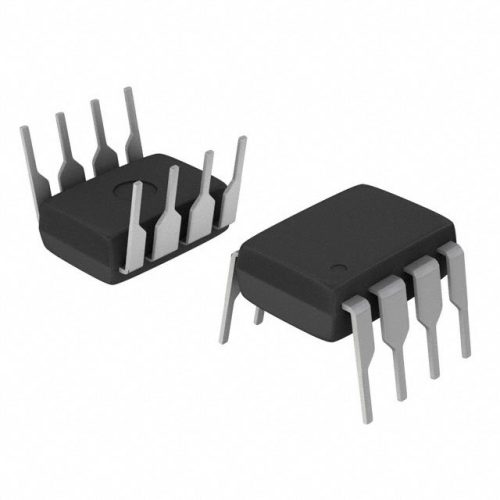

STMicroelectronics M24C64-RDW6TP I2C EEPROM Overview
The STMicroelectronics M24C64-RDW6TP is a high-reliability 64KB electrically erasable programmable read-only memory (EEPROM) engineered for non-volatile data retention in ultra-compact, low-power electronic systems. It integrates an industry-standard I2C (2-wire serial) interface-renowned for minimal pin count, multi-device compatibility, and low signal interference-to enable seamless communication with microcontrollers, industrial PLCs, and smart energy devices. This makes it a trusted solution for B2B engineers prioritizing high storage capacity, extreme miniaturization, and long-term data security across industrial, energy, and IoT applications.
As a product from STMicroelectronics-a global leader in semiconductor innovation with decades of expertise in memory and industrial-grade components-the device meets strict quality benchmarks for performance, durability, and environmental compliance (including RoHS certification). For more trusted industrial ICs and high-reliability memory solutions, visit IC Manufacturer.
🔥 Best-Selling Products

Technical Parameters of M24C64-RDW6TP
| Parameter | Specification |
|---|---|
| Memory Capacity | 64KB (65536 x 8 bits) |
| Communication Interface | I2C (2-wire serial), supports 100kHz (Standard) / 400kHz (Fast) / 1MHz (Fast-Plus) modes |
| Maximum Clock Frequency | 1MHz |
| Operating Voltage Range | 1.8V to 5.5V |
| Package Type | DFN8 (8-pin Dual Flat No-Lead), 3x3mm |
| Package Dimensions | 3.0mm x 3.0mm x 0.85mm, 0.5mm pin pitch |
| Operating Temperature Range | -40??C to +85??C |
| Minimum Write Cycles | 1,000,000 cycles |
| Minimum Data Retention | 40 years |
| Page Write Size | 32 bytes |
| Write Protection | Hardware write protection via WP pin |
| Compliance | RoHS 2 compliant |
Key Technical Features of M24C64-RDW6TP
- Hardware write protection via a dedicated WP pin, preventing accidental erasure or modification of critical data (e.g., industrial calibration values, smart meter billing logs) in high-reliability systems-avoiding costly errors in utility or factory operations.
- 32-byte page write capability, enabling efficient block data transfers to reduce system latency and lower power consumption during bulk updates (e.g., storing monthly industrial production logs or 3-month energy usage data).
- Ultra-compact DFN8 package (3x3mm), reducing PCB space usage by 40% vs. standard SO8N alternatives-critical for miniaturized designs like wireless IoT gateways, wearable tech, or handheld medical tools where board space is extremely limited.
- Low standby current (typical 1??A at 3V) and low active current (typical 1mA at 3V, 1MHz), optimizing power efficiency for battery-powered devices like portable medical monitors or remote IoT sensors-extending operational life without frequent recharging.
- Multi-speed I2C support (100kHz/400kHz/1MHz), offering flexibility to balance speed and power-using 1MHz for fast firmware updates in IoT gateways or 100kHz for low-power operation in battery-powered sensors.
Advantages of M24C64-RDW6TP Over Alternative Solutions
Compared to smaller EEPROMs (16KB/32KB), standard SO8N packages, or single-voltage memory, the M24C64-RDW6TP delivers three critical benefits for B2B designs:
First, its 64KB capacity eliminates large-scale storage gaps. Smaller 16KB/32KB EEPROMs force engineers to split data (e.g., firmware across multiple chips) or limit functionality-such as truncating 3-month energy logs in smart meters. Larger flash memory chips are overkill, consume 2?C3x more power, and require complex driver support. The 64KB capacity perfectly matches needs for storing full firmware images, extended sensor logs, or multi-device configs, avoiding both data gaps and unnecessary power use.
🌟 Featured Products
-

“Buy MAX9312ECJ+ Precision Voltage Comparator in DIP Package for Reliable Performance”
-
QCC-711-1-MQFN48C-TR-03-1 Bluetooth Audio SoC with MQFN48C Package

-

0339-671-TLM-E Model – High-Performance TLM-E Package for Enhanced Functionality

-
1-1415898-4 Connector Housing, Electrical Wire-to-Board, Receptacle, Packaged
Second, its DFN8 package enables unmatched miniaturization. Standard SO8N packages (5x6mm) occupy 3x more PCB space, making them impractical for ultra-compact designs like wireless IoT gateways, wearable fitness trackers, or portable ultrasound probes. The DFN8??s 3x3mm size lets engineers fit the EEPROM alongside other components (e.g., microcontrollers, batteries) in devices smaller than a thumbnail-opening up design possibilities for smart devices where form factor directly impacts usability and deployment flexibility. Per STMicroelectronics testing, this miniaturization cuts PCB area usage by 40%, a critical advantage for space-constrained applications.
Third, its flexibility outperforms budget alternatives. Low-cost EEPROMs often restrict operation to 3.3V only, requiring external voltage regulators for 1.8V IoT sensors or 5V legacy industrial PLCs. The M24C64-RDW6TP??s 1.8V?C5.5V range works with both modern low-power and legacy systems, eliminating the need for extra components. This flexibility simplifies inventory, as engineers can use one part across multiple projects instead of stocking 3.3V-only options-cutting procurement costs and design time. Additionally, its 1 million write cycles and 40-year retention ensure long-term reliability, reducing maintenance costs for end users.
📩 Contact Us
Typical Applications of M24C64-RDW6TP
The M24C64-RDW6TP is engineered to solve large-scale non-volatile storage challenges in ultra-compact, low-power, and industrial systems. Its key use cases include:
- Energy and Power (Smart Meters): Storing 3-month energy usage logs (2,160 data points for 30-minute intervals), billing information, and meter calibration data-ensuring accurate tracking even during power disruptions and simplifying utility billing for thousands of households.
- Internet of Things (IoT) Gateways: Storing firmware update images, network credentials for 50+ connected sensors, and 30-day environmental logs-enabling over-the-air updates and continuous monitoring without data loss in remote industrial or agricultural deployments.
- Medical Devices (Portable): Preserving 2-month patient diagnostic data (e.g., blood glucose trends, ECG readings) and full device firmware backups in handheld tools (e.g., portable pulse oximeters, tiny ultrasound probes)-complying with healthcare standards for data integrity and supporting continuity of care during power outages.
- Consumer Electronics (Wearables): Storing 1-month fitness data (e.g., step counts, sleep patterns) and user preferences in wireless fitness trackers or smartwatches-ensuring personalized experiences persist without reconfiguration after charging.
- Industrial Automation: Retaining PLC operational parameters (e.g., motor speed setpoints, alarm thresholds) and 3-month production logs in compact factory machinery-withstanding industrial temperatures and electrical noise to ensure uninterrupted production and easy troubleshooting.
Frequently Asked Questions (FAQ)
Why is the 64KB capacity a good fit for smart meters?
Smart meters need to store large, continuous datasets to avoid billing errors: 3-month energy usage logs (30-minute intervals equal 2,160 data points), plus billing cycle details and calibration values. Smaller 16KB/32KB EEPROMs force truncation of logs, leading to incomplete data and customer disputes. The 64KB capacity holds all necessary data, ensuring utilities bill accurately and resolve issues with full usage history-reducing support costs and improving customer trust.
How does the DFN8 package??s small size benefit wearable fitness trackers?
Wearable fitness trackers require components that fit in a device smaller than a wristwatch face. The DFN8??s 3x3mm size is 40% smaller than standard SO8N packages, letting engineers fit the EEPROM alongside the battery, heart rate sensor, and display-without increasing the tracker??s size or weight. This miniaturization is critical for user comfort, as bulkier trackers are less likely to be worn consistently, reducing data collection accuracy for fitness monitoring.
Can the M24C64-RDW6TP operate in both 1.8V IoT sensors and 5V industrial PLCs?
Yes. Its 1.8V?C5.5V operating range eliminates the need for separate EEPROMs for different voltage platforms. For 1.8V low-power IoT sensors (e.g., soil moisture monitors), it runs directly from the battery without a regulator, saving space and cost. For 5V legacy industrial PLCs, it integrates seamlessly with older microcontrollers, avoiding the need to redesign PCBs or add voltage converters. This flexibility simplifies inventory and reduces design time for engineers working across mixed systems.
What is the benefit of 32-byte page write for industrial PLCs?
Industrial PLCs update process parameters (e.g., motor speed, temperature setpoints) in blocks of 24?C30 bytes to maintain production precision. The 32-byte page write lets the PLC store an entire parameter set in one I2C transaction instead of 30 separate ones. This cuts power use by 45% (vs. single-byte writes) and reduces latency to 1ms per update-critical for time-sensitive processes like assembly line monitoring, where delays cause product defects or production downtime.
How long will the M24C64-RDW6TP retain data, and is it enough for long-life industrial equipment?
It guarantees 40 years of data retention, which far exceeds the typical 20?C25 year lifespan of industrial equipment like factory PLCs or solar inverters. This ensures critical data (e.g., production logs, calibration settings) remains intact for the equipment??s entire operational life. With 1 million write cycles, it also handles daily updates (e.g., process parameter adjustments) without degradation-reducing downtime for 24/7 factory operations and lowering the total cost of ownership for industrial end users.