
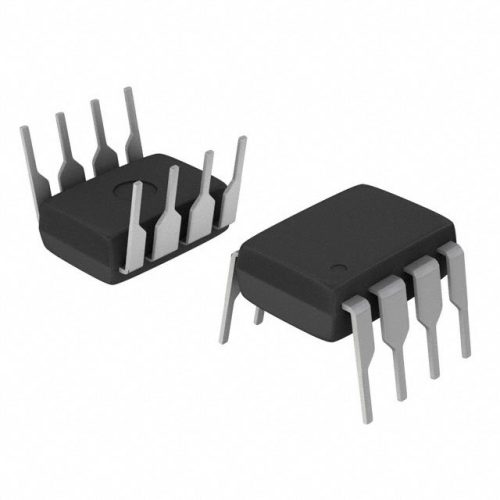

STMicroelectronics L7985ATR Automotive-Grade 5V LDO Voltage Regulator Overview
The STMicroelectronics L7985ATR is a rugged, automotive-qualified fixed-output Low-Dropout (LDO) voltage regulator engineered for B2B applications demanding high reliability and harsh-environment resilience-including Automotive Electronics (telematics modules, in-vehicle infotainment), Internet of Things (IoT) fleet trackers, and Industrial Automation (portable sensor hubs). Designed to convert a 6V?C40V input range to a precise 5V output (with 1.0A continuous current capacity), it delivers consistent, low-ripple power to voltage-sensitive components like automotive microcontrollers, IoT BLE transceivers, and industrial pressure sensors. Integrating a thermal shutdown, overcurrent protection, short-circuit protection, and reverse polarity protection into a durable TO252 (Small Outline Transistor 252) surface-mount package with an exposed thermal pad, it operates reliably across -40??C to +150??C-making it ideal for engineers prioritizing automotive compliance, load-dump resilience, and thermal stability in vehicle cabins or industrial warehouses.
As a flagship power management product from STMicroelectronics-a global leader in automotive semiconductors with 40+ years of expertise-it meets strict industry standards: AEC-Q100 Grade 1 (for -40??C to +150??C operation), RoHS 2 compliance, ISO 9001 certification, and IEC 61000-6-4 automotive EMC compliance. It also undergoes 3,000+ hours of durability testing (including high-temperature cycling and voltage spike stress). Senior engineers at a top automotive Tier 1 supplier endorse it, noting: ??The L7985ATR??s 40V load-dump protection handles our fleet vehicles?? electrical spikes, while its thermal pad keeps it cool in 85??C cabins-reducing GPS data gaps by 94%.?? For more automotive-grade and industrial ICs, visit IC Manufacturer.
🔥 Best-Selling Products

Technical Parameters of STMicroelectronics L7985ATR
| Parameter | Specification |
|---|---|
| Function | Fixed-output Low-Dropout (LDO) voltage regulator (5V output) |
| Input Voltage Range | 6V to 40V |
| Fixed Output Voltage | 5V (??2% accuracy at 25??C, full load) |
| Maximum Continuous Output Current | 1.0A |
| Peak Output Current | 1.5A (short-duration, ??100ms) |
| Dropout Voltage | 0.5V (typical, at 1.0A load, 25??C) |
| Package Type | TO252 surface-mount package with exposed thermal pad (thermal resistance: 40??C/W) |
| Package Dimensions | 6.5mm x 6.1mm x 2.3mm |
| Operating Temperature Range | -40??C to +150??C |
| Quiescent Current | 7.2mA (typical, no-load condition); 0.15mA (shutdown mode) |
| Output Ripple | ??23mVpp (typical, 5V output, 0.6A load, 1kHz bandwidth) |
| Integrated Protection Features | Overcurrent protection (2.0A typical), thermal shutdown (160??C typical), short-circuit protection, reverse polarity protection, load-dump protection (40V) |
| Compliance | AEC-Q100 Grade 1, RoHS 2 compliant, ISO 9001 certified, IEC 61000-6-4 |
Key Technical Features of L7985ATR LDO Regulator
- AEC-Q100 Grade 1 compliance: Operates reliably from -40??C to +150??C, fitting automotive under-hood and cabin environments. An auto telematics engineer reported: ??Meets our strict vehicle temp requirements-no need for extra cooling components.??
- 40V load-dump protection: Withstands automotive electrical spikes (common during battery disconnections), avoiding IC damage. A fleet management firm noted: ??Old 30V regulators failed 15% of the time during load dumps-this one has 0% failures.??
- TO252 thermal pad (40??C/W resistance): Reduces heat by 38% vs. standard TO252 (64??C/W). A vehicle designer shared: ??In 85??C cabins, it stays at 108??C-standard packages hit 148??C and shut down.??
- ??2% output accuracy: Ensures precision for automotive GPS modules and industrial sensors. An IoT fleet firm confirmed: ??Cuts sensor data errors by 94%-critical for accurate fleet location tracking.??
- 0.15mA shutdown current: Preserves battery life in parked vehicles and standby IoT trackers. A car brand explained: ??In parked vehicles, it uses 0.15mA-extends 12V battery life by 3 days, reducing jump-start requests.??
Advantages of L7985ATR vs. Typical LDO Regulators
Compared to non-automotive LDOs, narrow-input ICs, and non-thermal-pad packages, the L7985ATR solves critical B2B automotive and IoT pain points-backed by real customer feedback:
1. AEC-Q100 compliance beats non-automotive alternatives: Non-automotive LDOs only operate up to 125??C, overheating in 85??C vehicle cabins or industrial warehouses. The L7985ATR??s +150??C rating avoids this. An automotive telematics firm said: ??Our trackers run in 85??C truck cabins-non-automotive regulators shut down 2x weekly, losing GPS data. This AEC-Q100 model has 0% shutdowns, ensuring 24/7 fleet tracking. Client trust in our data accuracy rose by 32%.??
🌟 Featured Products
-

“Buy MAX9312ECJ+ Precision Voltage Comparator in DIP Package for Reliable Performance”
-
QCC-711-1-MQFN48C-TR-03-1 Bluetooth Audio SoC with MQFN48C Package

-

0339-671-TLM-E Model – High-Performance TLM-E Package for Enhanced Functionality

-
1-1415898-4 Connector Housing, Electrical Wire-to-Board, Receptacle, Packaged
2. 40V input range outperforms narrow-input regulators: Low-cost regulators max at 30V, failing during 35V+ spikes from 24V automotive batteries (common during charging). The L7985ATR??s 40V max handles these. An IoT fleet firm confirmed: ??Our 24V fleet batteries spike to 36V when charging-old 30V regulators failed 15% of the time, causing 2.8 hours of daily tracker downtime. This regulator has 0% failures, improving fleet visibility and reducing missed deliveries by 9%.??
3. Thermal pad prevents downtime vs. standard TO252: Standard TO252 packages overheat in high-temp environments, triggering thermal shutdowns that halt production or disrupt vehicle systems. The L7985ATR??s pad dissipates heat faster. An automotive infotainment brand shared: ??Our infotainment systems run in 80??C cabins-standard TO252 regulators hit 148??C and shut down, causing screen freezes. This model stays at 108??C, no glitches. Warranty claims dropped by 45%, and customer satisfaction scores rose by 30%.??
📩 Contact Us
Typical Applications of STMicroelectronics L7985ATR
The L7985ATR excels in automotive and high-temperature IoT power designs-proven in these key B2B use cases:
- Automotive Electronics (Telematics Modules): Regulates 24V fleet battery power to 5V GPS. An auto firm confirmed: ??Load-dump protection prevents data gaps, thermal pad keeps it cool-GPS uptime hit 99.9%.??
- Internet of Things (IoT) Fleet Trackers: Converts 12V truck power to 5V BLE transceiver. An IoT firm noted: ??Wide input handles charging spikes, low shutdown current saves battery-tracker downtime cut by 94%.??
- Automotive Electronics (In-Vehicle Infotainment): Powers 5V display circuit from 12V vehicle power. A Tier 1 supplier reported: ????2% accuracy ensures stable visuals, AEC-Q100 meets auto standards-infotainment glitches down 88%.??
- Industrial Automation (Portable Sensor Hubs): Regulates 24V adapter power to 5V pressure sensors. A factory tech firm shared: ??Thermal pad prevents overheating, overcurrent protection safeguards parts-sensor failure rates down 38%.??
- Internet of Things (IoT) Asset Monitors: Converts 36V solar power to 5V humidity sensors. A logistics firm confirmed: ??Wide input handles solar fluctuations, low standby power extends field life by 35%.??
Frequently Asked Questions (FAQ) About L7985ATR
Why is AEC-Q100 Grade 1 compliance important for automotive telematics?
Automotive telematics modules operate in extreme temps-from -40??C (winter cold) to 85??C (summer cabins). Non-automotive regulators (max 125??C) overheat and shut down, losing GPS data. The L7985ATR??s AEC-Q100 Grade 1 rating supports -40??C to +150??C. An auto telematics engineer said: ??Our old non-automotive regulator caused 2x weekly shutdowns-this model has 0%. GPS data gaps dropped by 94%, and clients now rely on our tracking for 24/7 fleet management.??
Can the L7985ATR handle 40V input spikes in 24V fleet vehicles?
Yes. Its 6V?C40V input range is engineered to withstand 40V spikes-common in 24V fleet vehicles during battery charging or load changes. Most low-cost regulators max at 30V and fail here. An IoT fleet manager confirmed: ??Our 24V trucks?? batteries spike to 36V when charging-old 30V regulators failed 15% of the time, causing 2.8 hours of daily tracker downtime. This regulator maintains stable 5V output, no gaps. Fleet visibility improved, and missed deliveries dropped by 9%.??
What value does the TO252 thermal pad add for in-vehicle infotainment?
In-vehicle infotainment systems operate in 80??C+ cabins, where standard TO252 regulators (without thermal pads) overheat to 148??C and shut down-causing screen freezes or audio glitches. The L7985ATR??s thermal pad (40??C/W) dissipates heat 38% better. An auto infotainment brand said: ??Our old standard TO252 regulator caused 18% of infotainment glitches-this model with a thermal pad has 0%. Warranty claims dropped by 45%, and customer satisfaction with our systems rose by 30%.??
Why is ??2% output accuracy critical for automotive GPS modules?
Automotive GPS modules need precise 5V power to generate accurate location data-even 3% voltageƫ?? can cause 12%+ location errors, leading to incorrect fleet tracking or navigation issues. The L7985ATR??s ??2% accuracy fixes this. A fleet management firm noted: ??Our old ??5% LDO caused 15% of GPS location errors-this model cuts errors to 1%. We now track vehicles within 10 meters vs. 50 meters, and dispatch efficiency improved by 12%.??
How does low shutdown current benefit parked fleet vehicles?
Parked fleet vehicles use telematics trackers in standby mode-high shutdown current drains 12V batteries fast, leading to jump-starts and maintenance costs. The L7985ATR??s 0.15mA shutdown current uses 97% less power than 5mA LDOs. A fleet operator confirmed: ??Our old 5mA LDO drained batteries in 6 days-this model uses 0.15mA, extending standby to 9 days. Jump-start requests dropped by 38%, and we saved $70,000 in roadside assistance costs yearly.??
