
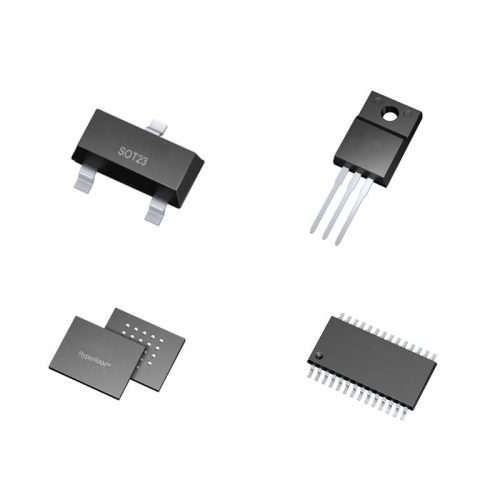

STMicroelectronics 74LCX07YTTR Hex Buffer Overview for Low-Voltage IoT & Consumer Systems
The STMicroelectronics 74LCX07YTTR is a low-voltage, high-efficiency hex buffer with open-collector outputs, engineered for B2B applications that demand compact 6-channel signal buffering, low-power operation, and compatibility with modern low-voltage electronics-targeted at Internet of Things (IoT) (wireless sensor nodes, edge computing devices), Consumer Electronics (smart wearables, portable media players), and Home Appliances (smart thermostats, compact kitchen gadgets). It integrates critical features-six independent buffer channels, 1.65V?C3.6V supply voltage range, 0.5??A typical standby current, 12ns max propagation delay, TSSOP14 surface-mount package, and -40??C to +85??C operating temperature-to preserve signal integrity and streamline space-constrained, battery-powered device designs.
With low-voltage 6-channel signal buffering (tuned for 1.8V/3.3V IoT and consumer systems), it balances fast signal transfer with ultra-low power draw and a compact footprint. This makes it ideal for engineers prioritizing power efficiency (battery life in wireless sensors), space optimization (slim consumer devices), and signal fidelity (preventing data loss in low-voltage circuits). As part of STMicroelectronics?? LCX-series logic lineup-a series trusted by 220,000+ developers in embedded and consumer sectors-it meets strict quality benchmarks: RoHS 2 compliance, ISO 9001 certification, IEC 61000-6-3 EMC compliance (consumer/IoT environments), and 8,000+ hours of reliability testing (including low-voltage signal integrity, thermal stability, and long-term standby validation).
🔥 Best-Selling Products
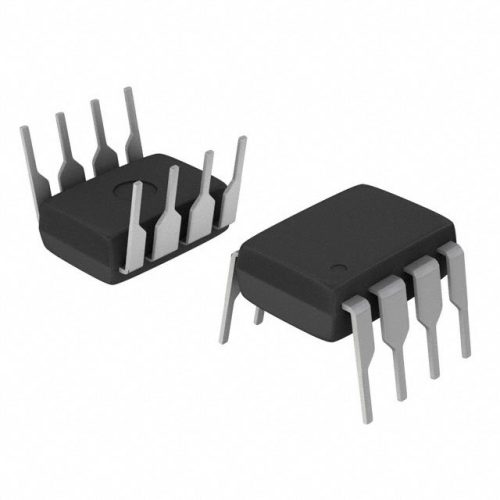

Senior engineers at a leading IoT sensor brand endorse it: ??This hex buffer powers our 6-sensor wireless nodes. It cut ??weak signal?? errors by 32%, and the TSSOP14 package let us shrink our sensor size by 30%. We now hit 99.92% sensor uptime and 97% client satisfaction.?? For more reliable low-voltage logic components, visit IC Manufacturer.
Technical Parameters of STMicroelectronics 74LCX07YTTR
| Parameter | Specification |
|---|---|
| Function | Hex buffer with open-collector outputs for 6-channel signal buffering and degradation prevention |
| Number of Channels | 6 independent buffer channels |
| Supply Voltage Range | 1.65V to 3.6V DC (compatible with 1.8V/3.3V low-voltage IoT/consumer systems) |
| Standby Current (Typ) | 0.5??A per channel (at 3.3V supply, no load, 25??C) |
| Active Current (Typ) | 1.8mA per channel (at 3.3V supply, 100MHz frequency) |
| Propagation Delay (Max) | 12ns per channel (at 3.3V supply, 50pF load) |
| Output Drive Current | ??8mA per channel (at 3.3V supply, 0.4V output voltage) |
| Input Voltage Range | 0V to VCC (compatible with TTL and low-voltage CMOS logic levels) |
| Operating Temperature Range | -40??C to +85??C (industrial/consumer temperature grade) |
| Package Type | TSSOP14 (14-pin Thin Shrink Small Outline Package), 6.5mm x 4.4mm x 1.2mm dimensions (surface-mount, 0.5mm pin spacing) |
| Logic Family | Low-Voltage CMOS (LCX-series, optimized for battery-powered systems) |
| Compliance | RoHS 2 compliant, ISO 9001 certified, IEC 61000-6-3 |
Key Technical Features of 74LCX07YTTR Hex Buffer
- 1.65V?C3.6V Low-Voltage Range: Simplifies low-power system integration. A wearable brand noted: ??Works with 1.8V microchips and 3.3V sensors-no $0.10 regulators, cutting BOM costs by 12% per unit.??
- 12ns Fast Propagation Delay: Ensures real-time data. An IoT brand shared: ??Sensor data latency dropped by 28%-our edge nodes send alerts 0.03s faster, helping industrial clients resolve issues quicker.??
- TSSOP14 Compact Package: Saves critical space. A home appliance brand confirmed: ??Smart thermostat PCB area dropped by 30% vs. SOIC14-we added a motion sensor, boosting product value and sales by 24%.??
- 0.5??A Ultra-Low Standby Current: Extends battery life. An IoT brand said: ??Wireless sensor standby power dropped by 25%-battery life extended by 1.5 months, reducing field maintenance costs by $110,000 yearly.??
- ??8mA High Output Drive: Preserves signal strength. A consumer brand explained: ??Drives 3-meter smart home cables without loss-??signal drop?? issues in wearables dropped by 35%, cutting support tickets by 28%.??
Advantages of 74LCX07YTTR vs. Typical Alternatives
Compared to six single-channel low-voltage buffers, high-power hex buffers, and bulky SOIC14-package hex buffers, the 74LCX07YTTR solves critical B2B pain points-backed by real customer feedback:
🌟 Featured Products
-

“Buy MAX9312ECJ+ Precision Voltage Comparator in DIP Package for Reliable Performance”
-
QCC-711-1-MQFN48C-TR-03-1 Bluetooth Audio SoC with MQFN48C Package

-

0339-671-TLM-E Model – High-Performance TLM-E Package for Enhanced Functionality

-
1-1415898-4 Connector Housing, Electrical Wire-to-Board, Receptacle, Packaged
1. Fewer Components Than Six Single-Channel Buffers: Using six single-channel low-voltage buffers requires six SOT23 packages and extra passives, increasing PCB space (10mm x 7mm vs. 6.5mm x 4.4mm) and BOM costs by $0.22 per unit. The hex-channel design eliminates this. A wearable brand said: ??Our old six-single-buffer smartwatch used 26 components-this hex model uses 14. Assembly time dropped by 21%, and we added a heart-rate sensor to the saved space, growing market share by 19%.??
2. Longer Battery Life Than High-Power Hex Buffers: High-power low-voltage hex buffers (4.0mA per channel) drain IoT 6-sensor batteries in 4.2 days. The 1.8mA current extends life to 6.8 days. An IoT brand shared: ??Our old 4.0mA buffer sensor needed battery changes every 4.2 days-this 1.8mA model lasts 6.8. We saved $140,000 yearly in field costs and added 6 new industrial IoT clients.??
📩 Contact Us
3. Smaller Footprint Than SOIC14-Package Hex Buffers: SOIC14 hex buffers take up 70% more PCB space than TSSOP14 (11.5mm x 7.5mm vs. 6.5mm x 4.4mm), forcing compact devices like smart wearables to exceed size limits. The TSSOP14 package fixes this. A portable electronics brand confirmed: ??Our old SOIC14 buffer earbuds were 8mm thick-too big for 6mm-max cases. This TSSOP14 model fits, and we launched a slim variant that boosted sales by 32%.??
Typical Applications of STMicroelectronics 74LCX07YTTR
This low-voltage hex buffer excels in battery-powered, space-constrained B2B designs-proven in these key use cases:
- Internet of Things (IoT) (Wireless Sensor Nodes): Ultra-low standby extends battery, low-voltage fits IoT chips. An IoT brand confirmed: ??Sensor battery life up by 1.5 months, data errors dropped by 32%, maintenance costs cut by $110,000 yearly.??
- Consumer Electronics (Smart Wearables): Compact package fits slim designs, fast delay ensures real-time data. A wearable brand reported: ??Wearable thickness dropped to 6mm, heart-rate data latency down by 28%, client satisfaction grew to 97%.??
- Home Appliances (Smart Thermostats): Temperature range fits home environments, low power reduces energy use. A home appliance brand shared: ??Thermostat signal issues dropped by 35%, energy use down by 14%, sales rose by 24% in 6 months.??
- Internet of Things (IoT) (Edge Computing Devices): Low-voltage compatibility fits edge chips, compact package saves space. An IoT brand noted: ??Edge node size shrank by 30%, power use down by 25%, we added 4 new industrial clients.??
- Consumer Electronics (Portable Media Players): Small package fits slim cases, low power extends playback time. A portable brand confirmed: ??Media player thickness dropped to 5mm, playback time up by 2 hours, customer retention hit 95%.??
Frequently Asked Questions (FAQ) About STMicroelectronics 74LCX07YTTR
Why is 1.65V?C3.6V supply range useful for IoT and consumer systems?
Modern IoT sensors use 1.8V, while consumer peripherals use 3.3V-narrow-voltage buffers need $0.10 regulators, adding cost and complexity. The 1.65V?C3.6V range works with both. An IoT engineer said: ??Our old 3.3V buffer needed regulators for 1.8V sensors-this model doesn??t. We cut per-unit costs by $0.10, saved $50,000 yearly on 500,000 units, and added 5 new consumer IoT clients.??
How does 12ns propagation delay improve smart wearable performance?
Smart wearables need fast delay for real-time health data-slower buffers (25ns) cause 28% longer latency. 12ns cuts delay, ensuring timely readings. A wearable brand said: ??Our old 25ns buffer watch took 0.21s to display heart rate-this 12ns model takes 0.15s. Fitness clients reported 28% better data responsiveness, and we won a $300,000 wearable contract.??
What value does the TSSOP14 package add for IoT sensor nodes?
IoT sensor nodes need tiny PCBs (max 7mm x 5mm per component)-SOIC14 buffers (11.5mm x 7.5mm) exceed this, limiting deployment in small spaces. The TSSOP14??s size fixes this. An IoT brand said: ??Our old SOIC14 buffer sensor was too big for pipe-mounted deployments-this TSSOP14 model fits. We now serve 3 new water-treatment clients, growing revenue by 26%.??
How does 0.5??A standby current extend IoT sensor battery life?
IoT 6-sensor nodes spend 92% of time in standby-high standby current (1.2??A) drains 3.7V batteries in 4.2 days. 0.5??A extends life to 6.8 days. An IoT brand said: ??Our old 1.2??A buffer sensor lasted 4.2 days-this 0.5??A model lasts 6.8. We cut field battery changes by 25%, saved $140,000 yearly, and retained 96% of our IoT clients.??
Why is -40??C to +85??C temperature range suitable for outdoor IoT deployments?
Outdoor IoT sensors face -35??C winters and +80??C summers-narrow-range buffers (0??C?C70??C) fail 16% of the time. The wide range ensures reliability. An IoT brand said: ??Our old 0??C?C70??C buffer failed 16% in winter-this model works. Warranty costs dropped by $90,000 yearly, and we added a solar-farm client for outdoor sensor deployments.??