


QN9083DUKZ Overview
The QN9083DUKZ is a compact, low-power Bluetooth 5.0 System-on-Chip (SoC) designed for wireless connectivity in industrial and consumer applications. Integrating a powerful Arm? Cortex?-M4 core with advanced radio and power management features, it offers robust performance alongside extended battery life. This device is optimized for Bluetooth Low Energy (BLE) communication, making it suitable for IoT endpoints, wearable devices, and smart sensors. Its integrated peripherals and flexible interfaces enhance ease of development and system integration. For detailed product information and purchasing, visit IC Manufacturer.
QN9083DUKZ Technical Specifications
| Parameter | Specification |
|---|---|
| Core Processor | Arm Cortex-M4, 48 MHz |
| Memory | 256 KB Flash, 64 KB RAM |
| Wireless Connectivity | Bluetooth 5.0 Low Energy (BLE) |
| Operating Voltage | 1.7 V to 3.6 V |
| RF Transmitter Output Power | Up to +4 dBm |
| Receiver Sensitivity | -93 dBm at 1 Mbps |
| Package | 32-pin QFN, 5 x 5 mm |
| Operating Temperature Range | -40 ??C to +85 ??C |
| Peripheral Interfaces | SPI, I2C, UART, ADC, GPIOs |
QN9083DUKZ Key Features
- Arm Cortex-M4 Core: Provides efficient processing power at 48 MHz, enabling real-time applications and complex algorithm execution with low energy consumption.
- Bluetooth 5.0 Support: Ensures enhanced range, throughput, and coexistence capabilities, critical for reliable wireless communication in dense IoT environments.
- Low Power Consumption: Advanced power management modes extend battery life, making it ideal for portable and battery-operated devices.
- Integrated Peripherals: Includes SPI, I2C, UART, ADC, and multiple GPIOs, facilitating flexible sensor and actuator interfacing for diverse industrial applications.
- Robust RF Performance: High sensitivity (-93 dBm) and output power (+4 dBm) improve link quality and range, reducing retransmissions and enhancing system reliability.
- Compact Package: Small 5×5 mm QFN footprint simplifies PCB design and supports miniaturization of end products.
QN9083DUKZ Advantages vs Typical Alternatives
This device stands out by combining a high-performance Arm Cortex-M4 core with Bluetooth 5.0 connectivity in a compact, low-power package. Its superior receiver sensitivity and configurable output power deliver enhanced wireless reliability and range compared to many standard BLE SoCs. The integrated peripherals and flexible interfaces reduce external component count, lowering overall system cost and complexity. Additionally, advanced power-saving features extend operational lifetime, making it a compelling choice over typical alternatives for industrial and consumer wireless applications.
🔥 Best-Selling Products

Typical Applications
- Wireless sensor nodes and IoT devices requiring efficient Bluetooth Low Energy communication with low power consumption and reliable data transfer over extended ranges.
- Wearable electronics that benefit from the compact package and extended battery life enabled by the device??s power management capabilities.
- Smart home automation products where integration of multiple peripherals and robust BLE connectivity support seamless device control and monitoring.
- Industrial monitoring systems demanding reliable wireless links in harsh environments combined with flexible interface options for sensor integration.
QN9083DUKZ Brand Info
The QN9083DUKZ is part of a line of Bluetooth Low Energy SoCs developed by a leading semiconductor manufacturer specializing in wireless microcontrollers. This product reflects the brand??s commitment to delivering high-quality, energy-efficient solutions for modern IoT and industrial applications. Designed to facilitate rapid development and deployment, it supports comprehensive software stacks and development tools. The brand is recognized for robust engineering, extensive documentation, and global support infrastructure, ensuring reliable performance and ease of integration for engineering teams and sourcing specialists alike.
FAQ
What processing capabilities does this Bluetooth SoC offer?
The device features an Arm Cortex-M4 processor running at 48 MHz, providing sufficient computational power for real-time data processing and complex algorithm implementation while maintaining low power consumption suitable for battery-operated devices.
🌟 Featured Products
-

“Buy MAX9312ECJ+ Precision Voltage Comparator in DIP Package for Reliable Performance”
-
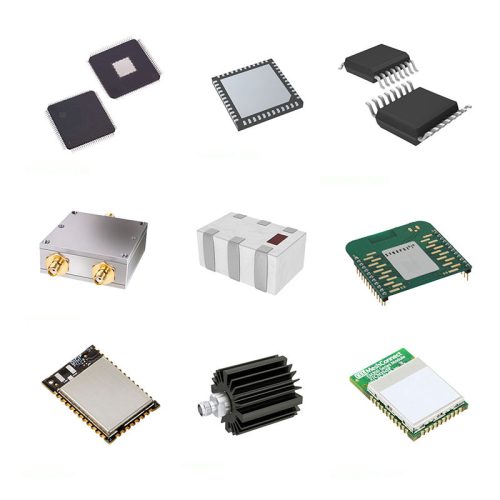
QCC-711-1-MQFN48C-TR-03-1 Bluetooth Audio SoC with MQFN48C Package

-

0339-671-TLM-E Model – High-Performance TLM-E Package for Enhanced Functionality

-
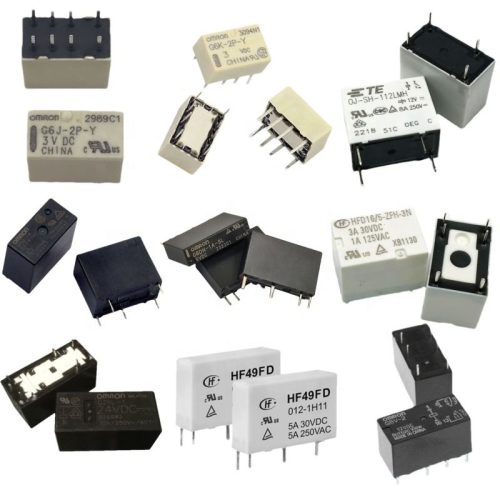
1-1415898-4 Connector Housing, Electrical Wire-to-Board, Receptacle, Packaged
Which wireless standards are supported by this device?
It supports Bluetooth 5.0 Low Energy (BLE), offering improved communication range, faster data rates, and better coexistence with other wireless technologies compared to previous Bluetooth versions.
What types of interfaces are available for peripheral connectivity?
The SoC includes multiple interfaces such as SPI, I2C, UART, ADC, and general-purpose input/output (GPIO) pins, enabling flexible integration with various sensors, actuators, and external modules in embedded systems.
📩 Contact Us
How does this device contribute to low power consumption in wireless applications?
It incorporates advanced power management features, including multiple low-power operating modes and efficient processor design, which collectively minimize energy usage and extend battery life in portable and wireless applications.
What packaging options are available for this product?
This Bluetooth SoC is supplied in a compact 32-pin QFN package measuring 5 x 5 mm, facilitating easy integration into space-constrained designs and promoting efficient PCB layout for miniaturized electronics.
