


QN9030THN/001Y Overview
The QN9030THN/001Y is a high-performance Bluetooth 5.0 Low Energy (BLE) System-on-Chip (SoC) designed for advanced wireless applications requiring ultra-low power consumption and robust connectivity. This device integrates a powerful ARM Cortex-M4F processor with a rich set of peripherals and flexible interfaces, enabling efficient development of IoT, wearable, and smart home products. Its advanced radio architecture supports long-range communication and high data throughput, making it ideal for industrial-grade wireless sensor networks and asset tracking systems. For engineers and sourcing specialists seeking a reliable and cost-effective BLE solution, the QN9030THN/001Y offers excellent integration and scalability. Discover more at IC Manufacturer.
QN9030THN/001Y Technical Specifications
| Parameter | Specification |
|---|---|
| Core Processor | ARM Cortex-M4F, 48 MHz |
| Memory | 256 KB Flash, 64 KB RAM |
| Wireless Standard | Bluetooth 5.0 Low Energy (BLE) |
| Operating Voltage | 1.8 V to 3.6 V |
| Radio Frequency | 2.4 GHz ISM band |
| Modulation | GFSK, 1 Mbps / 2 Mbps data rate |
| Power Consumption | Tx: 5.5 mA @ 0 dBm; Rx: 5.8 mA |
| Package Type | 48-pin QFN (6×6 mm) |
| Peripherals | UART, SPI, I2C, ADC, PWM, RTC |
QN9030THN/001Y Key Features
- ARM Cortex-M4F Core: Delivers efficient processing with floating-point unit support, enabling complex algorithms and real-time control with minimal power usage.
- Bluetooth 5.0 LE Support: Ensures enhanced range and higher data rates, which improve wireless communication reliability and throughput in demanding environments.
- Low Power Consumption: Optimized radio and system design reduce battery drain, extending device operation time for portable or remote applications.
- Rich Peripheral Set: Includes multiple serial interfaces (UART, SPI, I2C), ADC, PWM, and RTC to facilitate seamless integration with sensors and actuators.
- Robust Radio Performance: Supports GFSK modulation with flexible data rates, providing stable connections even in noisy industrial or urban environments.
- Compact Package: The 48-pin QFN form factor allows for space-efficient PCB layouts, critical in miniaturized device designs.
QN9030THN/001Y Advantages vs Typical Alternatives
This device offers superior integration by combining a powerful ARM Cortex-M4F core with Bluetooth 5.0 LE radio in a compact footprint, reducing the need for external components. Its low power consumption extends battery life beyond typical solutions, while flexible peripheral options simplify system design. Enhanced radio sensitivity and support for multiple modulation schemes ensure reliable wireless connectivity in challenging environments. As a result, it provides a balanced solution of performance, power efficiency, and integration compared to standard BLE SoCs.
🔥 Best-Selling Products

Typical Applications
- Wireless sensor nodes for industrial automation, leveraging low power and robust BLE connectivity to transmit critical real-time data over extended distances.
- Wearable health and fitness devices requiring compact size, efficient power management, and reliable wireless communication to smartphones or hubs.
- Smart home devices such as lighting controls and security sensors, benefiting from integrated peripherals and long-range BLE features.
- Asset tracking and inventory management systems, utilizing the device??s extended range and low power modes to maintain continuous monitoring with minimal maintenance.
QN9030THN/001Y Brand Info
The QN9030THN/001Y is part of a family of advanced Bluetooth Low Energy solutions developed by a leading semiconductor manufacturer specializing in wireless connectivity and embedded processing. Combining proven ARM Cortex-M4F technology with a state-of-the-art 2.4 GHz radio, this product is engineered to meet the rigorous demands of modern IoT and industrial applications. The brand emphasizes quality, reliability, and design flexibility, ensuring that the QN9030THN/001Y supports rapid development cycles and scalable deployment across diverse markets.
FAQ
What type of processor does this Bluetooth SoC use?
The device integrates an ARM Cortex-M4F processor running at 48 MHz. This core includes a floating-point unit, which allows for efficient execution of complex mathematical operations, benefiting applications that require signal processing or advanced control functions.
🌟 Featured Products
-

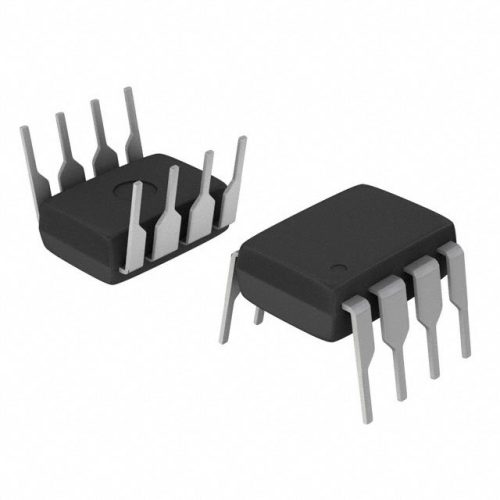
“Buy MAX9312ECJ+ Precision Voltage Comparator in DIP Package for Reliable Performance”
-
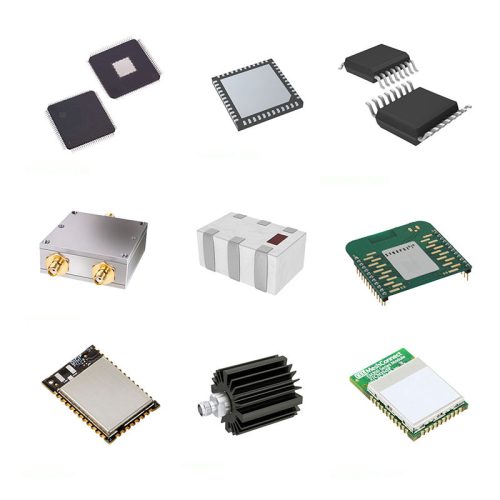
QCC-711-1-MQFN48C-TR-03-1 Bluetooth Audio SoC with MQFN48C Package

-

0339-671-TLM-E Model – High-Performance TLM-E Package for Enhanced Functionality

-
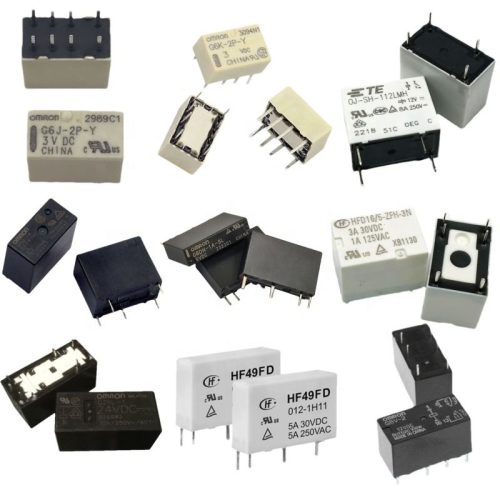
1-1415898-4 Connector Housing, Electrical Wire-to-Board, Receptacle, Packaged
Which Bluetooth standard and features are supported?
It supports Bluetooth 5.0 Low Energy, offering enhanced range, improved data throughput up to 2 Mbps, and increased broadcasting capacity. These features improve wireless communication reliability and enable more sophisticated IoT applications.
What are the power consumption characteristics?
The SoC is designed for ultra-low power operation with transmit current around 5.5 mA at 0 dBm output power and receive current approximately 5.8 mA. These figures help extend battery life in portable and remote devices.
📩 Contact Us
What peripherals are available for system integration?
The device features multiple communication interfaces including UART, SPI, and I2C. Additional peripherals such as ADC for analog measurements, PWM for control signals, and RTC for accurate timing are also integrated, facilitating diverse application requirements.
What package type is offered and why is it important?
The QN9030THN/001Y comes in a 48-pin QFN package measuring 6×6 mm. This compact form factor is crucial for space-constrained designs, enabling engineers to incorporate the SoC into small, lightweight devices without sacrificing performance or connectivity.

