

MSP430I2041TPWR Overview
The MSP430I2041TPWR is a low-power, 16?bit microcontroller designed for compact industrial and battery-powered systems. It combines a reduced?instruction?set CPU with integrated analog and digital peripherals to support timing, sensing, and serial communication tasks in tight BOM and power budgets. Designers will value the device for its ultra?low power standby modes and compact package options that simplify board layout. For sourcing and component details, see IC Manufacturer.
MSP430I2041TPWR Technical Specifications
| Parameter | Value |
|---|---|
| CPU architecture | 16?bit RISC |
| Maximum CPU frequency | 16 MHz |
| Operating supply voltage | 1.8 V to 3.6 V |
| Flash memory | 2 KB |
| SRAM | 256 B |
| GPIO count | 16 pins |
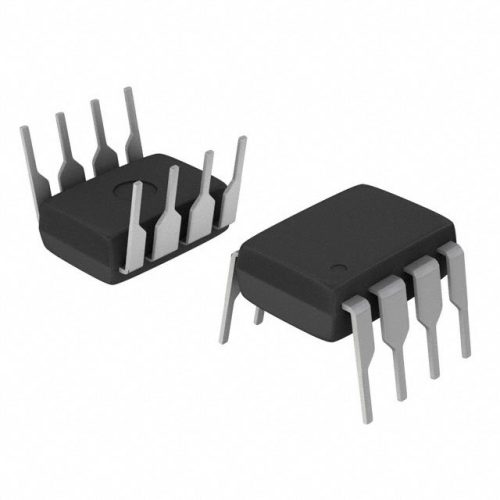
| Package | 20?pin TSSOP (PW) |
| Operating temperature range | -40 ??C to +85 ??C |
| Active current (typical) | ~100 ??A/MHz |
| Standby current (typical) | < 1 ??A |
MSP430I2041TPWR Key Features
- Single 16?bit core delivering compact code density, enabling lower memory requirements and smaller firmware footprint.
- Low operating voltage range (1.8?C3.6 V) for flexible battery and system power designs, reducing the need for extra regulators.
- Very low standby currents that extend battery life and permit longer maintenance intervals in remote or portable systems.
- Integrated analog and digital peripherals that reduce external component count and improve system reliability.
Typical Applications
- Battery?powered sensors and transducers where long idle times and short active bursts demand minimal standby current and efficient wake?up.
- Industrial control nodes with constrained PCB space that need a 16?bit MCU with sufficient GPIO and integrated analog front end for basic I/O and timing.
- Handheld instruments and portable meters requiring a small package, low power consumption, and predictable operating voltage range for battery operation.
- Simple human?machine interfaces and keypads where modest firmware size, timers, and serial interfaces meet product requirements without external controllers.
MSP430I2041TPWR Advantages vs Typical Alternatives
The device combines a 16?bit core with very low active and standby currents, offering a stronger power?efficiency tradeoff versus many 8? and 32?bit alternatives. Memory and peripheral integration reduce external components and board area, which lowers BOM cost and assembly complexity. The device??s 1.8?C3.6 V range and compact 20?pin package make it more adaptable to battery, single?rail, and space?constrained designs compared with larger packaged microcontrollers.
🔥 Best-Selling Products
MSP430I2041TPWR Brand Info
MSP430I2041TPWR is part of the MSP430 family from Texas Instruments (TI). TI positions this family for ultra?low?power embedded applications, offering long field reliability, broad distribution, and extensive development tools to accelerate time to market.
FAQ
What core does this device use?
The part uses a 16?bit RISC core from the MSP430 family, optimized for compact code and low active current consumption suitable for energy?sensitive designs.
🌟 Featured Products
-

“Buy MAX9312ECJ+ Precision Voltage Comparator in DIP Package for Reliable Performance”
-
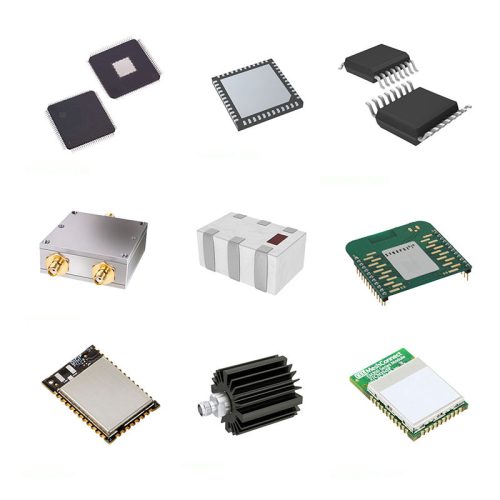
QCC-711-1-MQFN48C-TR-03-1 Bluetooth Audio SoC with MQFN48C Package

-

0339-671-TLM-E Model – High-Performance TLM-E Package for Enhanced Functionality

-
1-1415898-4 Connector Housing, Electrical Wire-to-Board, Receptacle, Packaged
What is the supported supply voltage?
The device operates across a 1.8 V to 3.6 V supply window, enabling direct use with common battery chemistries and single?rail systems without extra level shifting.
How much nonvolatile memory is available?
This MCU includes 2 KB of on?chip flash, providing space for compact firmware and enabling in?field updates without external memory devices.
📩 Contact Us
How does standby power compare?
Standby currents are specified below 1 ??A in low?power modes, which helps extend battery life in intermittent?wake applications and reduces system maintenance frequency.
Which package should I plan for?
Plan for a compact 20?pin TSSOP package that simplifies PCB routing and reduces board area compared with larger microcontroller packages used in similar roles.