
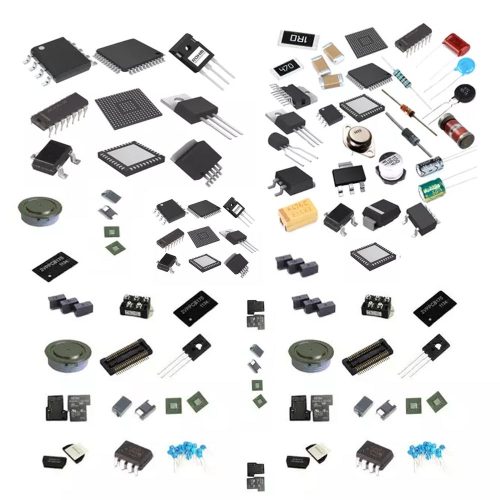

MSP430I2030TPW Overview
The MSP430I2030TPW is a low?power, 16?bit microcontroller from Texas Instruments designed for compact, battery?sensitive systems. It combines a single, efficient 16?bit CPU with mixed?signal peripherals and a small footprint package. The device targets designers needing low power, deterministic control and a reduced board area. For sourcing and additional technical resources, visit IC Manufacturer.
MSP430I2030TPW Technical Specifications
| Parameter | Value |
| CPU architecture | 16?bit RISC |
| Core count | 1 |
| Supply voltage (VCC) | 1.8?C3.6 V |
| Operating temperature range | ?40 ??C to +85 ??C |
| Available package code | TPW (package variant) |
| Typical ultra?low power class | Microamp?class standby currents |
| GPIO and peripheral I/O | Multi?function I/O lines (device?specific count) |
| On?chip peripherals | Mixed?signal peripherals (ADC, timers, serial interfaces) |
| Instruction width | 16 bits |
MSP430I2030TPW Key Features
- Single 16?bit core: delivers compact code and predictable, deterministic execution for control applications.
- Ultra?low standby currents: reduces battery drain for longer field life in portable and remote systems.
- Mixed?signal integration: on?chip analog and timer peripherals simplify board design and lower BOM count.
- Small package option (TPW): enables tighter PCB layouts and smaller product form factors without sacrificing interface density.
Typical Applications
- Portable metering and sensing: small, battery?powered measurement systems that require long standby life and periodic sampling.
- Industrial sensors and controls: distributed monitoring nodes that need deterministic timing and low power in constrained enclosures.
- Handheld instruments and user interfaces: compact devices that require mixed?signal inputs, timers and serial communications with minimal power draw.
- Asset tracking and remote telemetry: low?power microcontroller nodes that balance wireless or wired communication with extended battery life.
MSP430I2030TPW Advantages vs Typical Alternatives
The device offers a clear advantage where power and size matter. Compared with many 8?bit microcontrollers, the 16?bit core provides wider data paths and more efficient code density. Compared with larger MCU families, this part reduces BOM and board area while keeping essential mixed?signal peripherals on?chip. For designers balancing energy budgets with real?time control needs, the combination of microamp?class standby behavior, integrated analog resources, and a compact TPW package delivers efficiency and integration benefits.
🔥 Best-Selling Products
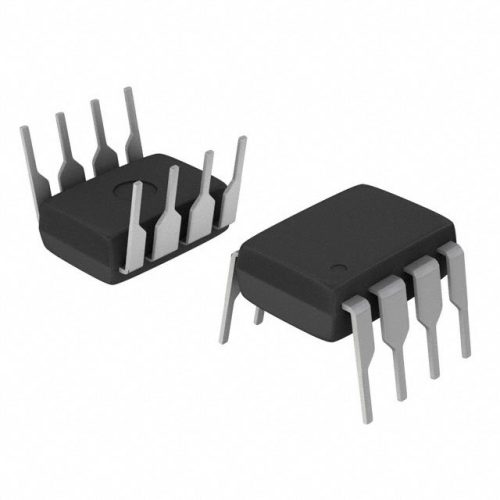
MSP430I2030TPW Brand Info
The MSP430I2030TPW is part of the MSP430 family, produced by Texas Instruments. The MSP430 line is known for ultra?low?power 16?bit microcontrollers optimized for analog integration, low standby currents, and broad support in industrial and portable electronics design.
FAQ
What architecture does it use?
The device uses a 16?bit RISC architecture. This architecture yields compact code and predictable instruction timing suited to real?time control and low?power operation.
🌟 Featured Products
-

“Buy MAX9312ECJ+ Precision Voltage Comparator in DIP Package for Reliable Performance”
-
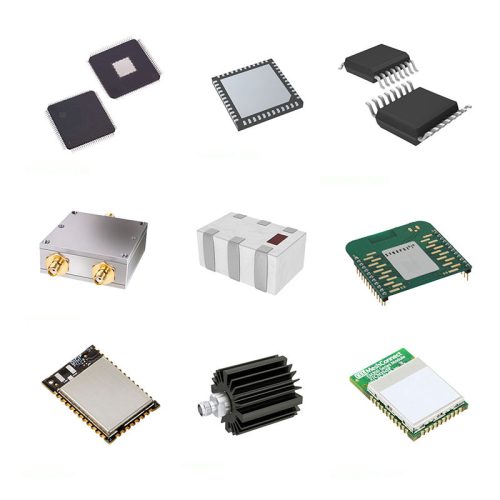
QCC-711-1-MQFN48C-TR-03-1 Bluetooth Audio SoC with MQFN48C Package

-

0339-671-TLM-E Model – High-Performance TLM-E Package for Enhanced Functionality

-
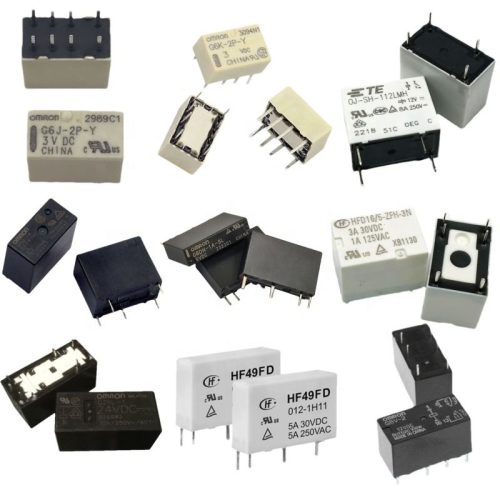
1-1415898-4 Connector Housing, Electrical Wire-to-Board, Receptacle, Packaged
What is the operating voltage range?
The device specifies an operating voltage range centered on typical low?voltage MCU levels. This supports battery chemistries and low?power regulators commonly used in portable and embedded systems.
Is the package suitable for compact PCBs?
Yes. The TPW package variant is intended for small footprint implementations and helps reduce board area while preserving necessary I/O and peripheral connectivity.
📩 Contact Us
Does it support analog peripherals?
Yes. The device integrates mixed?signal peripherals such as ADCs and timers to reduce external component count and simplify sensor interface design.
Where is this MCU typically used?
Typical uses include battery?powered sensors, portable instruments, industrial monitoring nodes, and compact user?interface devices where low standby current and integrated peripherals are key.