

MSP430G2213IN20 Overview
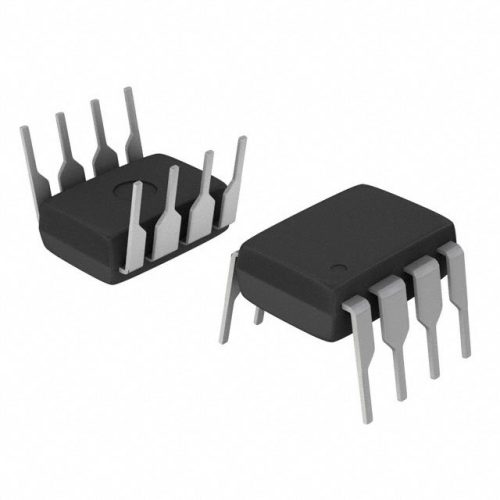
The MSP430G2213IN20 is a low-power, 16-bit microcontroller optimized for simple, cost-sensitive industrial designs that need more predictable power and smaller code size than 8-bit alternatives. This device combines a single 16-bit CPU core with a 16-pin-plus I/O count in a 20-pin package and supports a wide 1.8?C3.6 V supply range. It is suitable for battery-powered and embedded control tasks that require lower active current and fewer external components. Learn more from IC Manufacturer.
MSP430G2213IN20 Technical Specifications
| Parameter | Value |
|---|---|
| CPU core | 16-bit RISC |
| Maximum CPU clock | 16 MHz |
| Flash memory | 2 KB |
| SRAM | 128 B |
| General-purpose I/O | 16 pins |
| Timer | 1 ?? 16-bit Timer_A |
| Supply voltage | 1.8 V to 3.6 V |
| Operating temperature | -40 ??C to +85 ??C |
| Package type | 20-pin PDIP (through-hole) |
| Typical applications | Low-power sensing and simple control |
MSP430G2213IN20 Key Features
- Single 16-bit CPU core with compact instruction set for smaller code and faster integer math compared with many 8-bit options.
- Low-voltage operation from 1.8 V to 3.6 V, enabling safer operation in battery-powered systems and wider design flexibility.
- Small non-volatile Flash (2 KB) and 128 B RAM that lower BOM cost for simple embedded functions and firmware storage.
- Single 16-bit Timer_A provides pulse generation and precise timing for control, timing, and PWM duties without external timers.
Typical Applications
- Low-power battery monitoring and power management systems that require sustained operation on coin or AA batteries for months to years.
- Simple industrial controls and sensor nodes that need deterministic timing and fewer external components to reduce system cost.
- Human interface devices such as simple keypads and LED drivers where modest I/O and timing simplify the hardware design.
- Educational and hobbyist development where a through-hole 20-pin PDIP package provides easier prototyping and board-level debugging.
MSP430G2213IN20 Advantages vs Typical Alternatives
The device delivers a stronger mix of low-voltage range and a true 16-bit CPU, giving more efficient arithmetic and smaller code than many 8-bit controllers. It offers fewer pins but simpler integration than larger microcontrollers, making it more cost-effective for basic embedded tasks. The 20-pin through-hole PDIP format is easier to prototype than typical surface-mount-only devices. These traits make it a practical choice when designers trade high I/O counts or large memory for lower cost, lower power, and simpler designs.
🔥 Best-Selling Products
MSP430G2213IN20 Brand Info
The MSP430G2213IN20 is part of the MSP430 family from Texas Instruments. TI positions this family as low-power, mixed-signal microcontrollers for embedded control. The brand emphasizes long-term availability, broad documentation, and ecosystem tools that include compilers, programmers, and application notes for faster development cycles.
FAQ
What programming tools are supported?
Standard MSP430 programmers and debuggers from the ecosystem are used for flashing and debugging. Supported tools include TI-compatible hardware programmers and common IDEs in the MSP430 toolchain for code development and on-board programming.
🌟 Featured Products
-

“Buy MAX9312ECJ+ Precision Voltage Comparator in DIP Package for Reliable Performance”
-
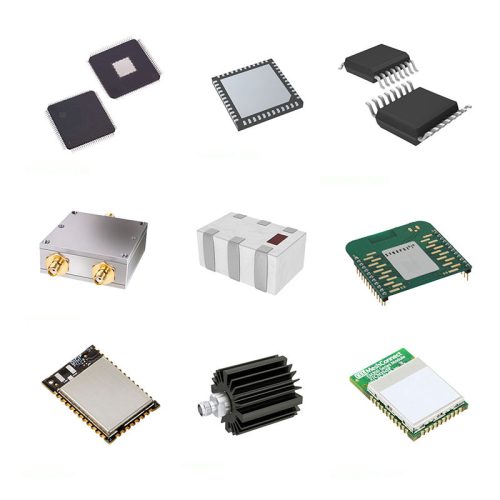
QCC-711-1-MQFN48C-TR-03-1 Bluetooth Audio SoC with MQFN48C Package

-

0339-671-TLM-E Model – High-Performance TLM-E Package for Enhanced Functionality

-
1-1415898-4 Connector Housing, Electrical Wire-to-Board, Receptacle, Packaged
Which supply voltages are compatible?
The device accepts a wide supply range that supports low-voltage battery operation and standard 3.3 V systems. Designers can compare this range to other microcontrollers to pick the most efficient option for their supply strategy.
Is the package suitable for prototyping?
Yes. The 20-pin PDIP through-hole package is convenient for breadboards and manual soldering. Compared with smaller surface-mount packages, it speeds initial prototyping and fault diagnosis.
📩 Contact Us
How many I/O pins can be used in typical designs?
The device exposes around 16 general-purpose I/O pins. For many simple control tasks, this pin count provides adequate connectivity while keeping PCB area and BOM cost lower than larger MCUs.
Where to find documentation and reference designs?
Official datasheets, application notes, and reference designs are typically available from the vendor website and the MSP430 ecosystem. These documents cover electrical characteristics, timing diagrams, and example circuits for faster integration.