
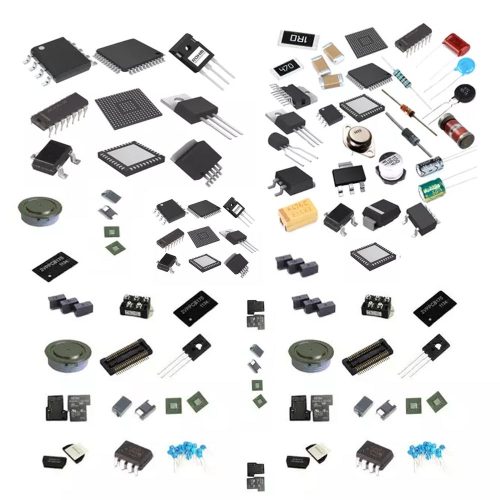

MSP430FR58671IRGZT Overview
The MSP430FR58671IRGZT is a low-power, 16-bit microcontroller from Texas Instruments. It combines nonvolatile FRAM memory with a compact package and integrated peripherals aimed at energy-sensitive industrial designs. Its architecture supports fast writes and high endurance compared with traditional flash. This part targets embedded control, sensing, and metering applications that require lower standby currents, deterministic writes, and flexible I/O. Learn more from IC Manufacturer.
MSP430FR58671IRGZT Technical Specifications
| Parameter | Value |
|---|---|
| Core type | 16-bit RISC CPU |
| Maximum CPU frequency | 24 MHz |
| Nonvolatile memory | FRAM, 64 KB |
| SRAM (data) | 8 KB |
| Operating voltage | 1.8 V ?C 3.6 V |
| Operating temperature | -40 ??C to +85 ??C |
| Package | 64-pin LQFP / QFN family |
| GPIO count | up to 43 pins |
| ADC resolution | 12-bit |
| Low-power modes | Multiple LPMs with sub-??A standby |
MSP430FR58671IRGZT Key Features
- Single 16-bit core with deterministic performance for real-time control and reduced code size.
- Integrated FRAM for fast, low-energy nonvolatile writes, reducing write latency versus flash.
- Wide supply range (1.8?C3.6 V) enabling compatibility with single-cell and multi-source power rails.
- Multiple low-power modes and sub-??A standby currents to extend battery life in portable and remote systems.
Typical Applications
- Smart meters and energy monitors where frequent nonvolatile logging and low standby current are required for long-term field operation.
- Battery-powered sensor nodes that need fast nonvolatile parameter updates and minimal peak energy per write to prolong battery life.
- Industrial control and automation endpoints that require deterministic 16-bit processing, stable operation across -40 ??C to +85 ??C, and robust I/O.
- Consumer and handheld measurement instruments where compact 64-pin packages and fast FRAM write ensure responsive user calibration and low power draw.
MSP430FR58671IRGZT Advantages vs Typical Alternatives
This device uses FRAM, which delivers faster, lower-energy nonvolatile writes and higher write endurance compared with typical flash-based MCUs. The 16-bit core offers a compact instruction set and efficient code density, often reducing memory and energy needs versus 32-bit options for simple control tasks. Wide supply tolerance and multiple low-power modes provide better battery efficiency than many legacy parts. The integrated peripherals and compact package can reduce board area and BOM costs versus discrete solutions.
🔥 Best-Selling Products
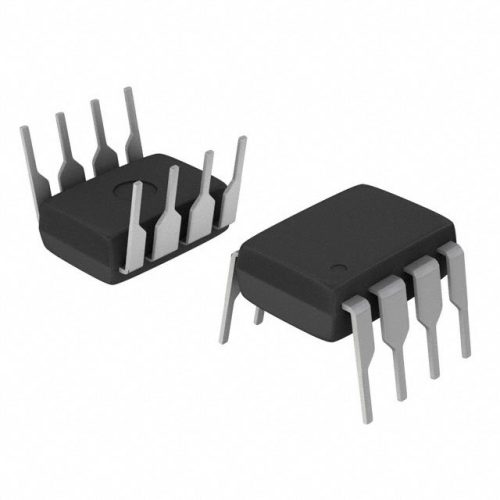
MSP430FR58671IRGZT Brand Info
MSP430FR58671IRGZT is part of Texas Instruments’ MSP430 family. TI positions these devices for ultra-low-power embedded applications, emphasizing FRAM-based nonvolatile memory, low standby currents, and broad toolchain support for rapid development and deployment.
FAQ
What memory type is used?
This MCU uses FRAM (ferroelectric RAM) as its nonvolatile memory. FRAM offers fast writes, low energy per write, and high endurance compared with flash memory.
🌟 Featured Products
-

“Buy MAX9312ECJ+ Precision Voltage Comparator in DIP Package for Reliable Performance”
-
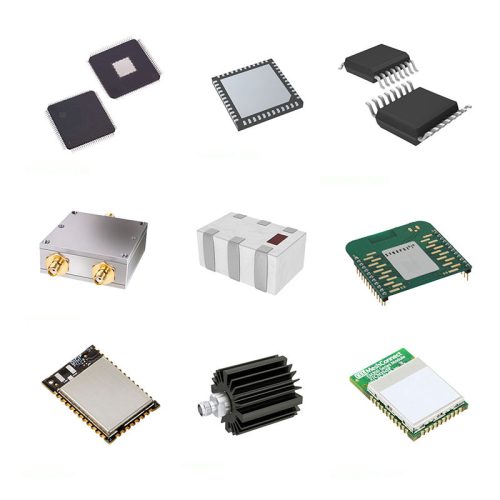
QCC-711-1-MQFN48C-TR-03-1 Bluetooth Audio SoC with MQFN48C Package

-

0339-671-TLM-E Model – High-Performance TLM-E Package for Enhanced Functionality

-
1-1415898-4 Connector Housing, Electrical Wire-to-Board, Receptacle, Packaged
What is the core architecture?
The part is based on a 16-bit RISC core. This architecture provides compact code density and efficient control performance for embedded tasks and low-power operation.
What supply voltages are supported?
Designed for 1.8 V to 3.6 V operation. This range supports single-cell battery systems and many common industrial power rails without external regulators in many designs.
📩 Contact Us
What temperature range is guaranteed?
The device is specified for industrial temperature applications, operating typically from -40 ??C up to +85 ??C to meet common industrial reliability requirements.
How does FRAM benefit designs?
FRAM enables faster nonvolatile writes and far greater write endurance than flash. That reduces energy per write and extends lifetime for frequent-logging or calibration tasks.