

MSP430FR4133IG56R Overview
The MSP430FR4133IG56R is a low-power, 16?bit microcontroller built on an MSP430 core with nonvolatile FRAM memory. It targets battery-powered and energy-conscious industrial systems that need more reliable write cycles and faster write performance than typical flash-based parts. The device combines a 16 MHz processing capability with integrated analog and digital peripherals. It ships in a 56?pin package for denser I/O than many smaller variants. For procurement and manufacturer details visit IC Manufacturer.
MSP430FR4133IG56R Technical Specifications
| MCU core | 16?bit MSP430 CPU |
| Maximum CPU clock | 16 MHz |
| Nonvolatile memory | 8 KB FRAM |
| Volatile RAM (SRAM) | 256 B |
| Operating voltage | 1.8 V to 3.6 V |
| Operating temperature | ?40 ??C to +85 ??C |
| Package | 56?pin VQFN (IG) ?C tape and reel suffix |
| Analog converter | 12?bit ADC (ADC12) with multiple channels |
| Digital I/O count | Up to 32 GPIO pins |
| Serial interfaces | eUSCI modules: UART, SPI, I2C |
| Low?power modes | Multiple LPMs (deep sleep and standby options) |
MSP430FR4133IG56R Key Features
- Single 16?bit CPU core delivering predictable, deterministic control while using less code space than many 32?bit alternatives.
- FRAM nonvolatile memory that supports far more write endurance and faster write cycles than flash, reducing write latency and increasing system reliability.
- Integrated 12?bit ADC and multiple timers for precise analog measurement and control without external converters, lowering board count and cost.
- Multiple serial interfaces (UART, SPI, I2C) for flexible peripheral connectivity and simpler integration with sensors, displays, and power management ICs.
Typical Applications
- Battery?powered sensor nodes requiring frequent nonvolatile logging and configuration updates while keeping energy consumption under tight budgets.
- Industrial human?machine interfaces that need reliable nonvolatile storage for calibration data and quick write cycles during setup and servicing.
- Portable medical devices that demand deterministic 16?bit control, multiple analog inputs, and robust nonvolatile memory for safety?critical parameters.
- Energy metering and power management controllers that benefit from low?power sleep modes, integrated ADC precision, and durable FRAM for long write endurance.
MSP430FR4133IG56R Advantages vs Typical Alternatives
The device offers FRAM-based memory that outlives conventional flash in write endurance and speed. That improves reliability for frequent logging and frequent configuration changes. At a 16 MHz clock and a 16?bit core, it delivers simpler code and lower active energy per operation than many 32?bit parts in the same class. The 56?pin package provides more GPIO and peripheral muxing than 20?C28 pin variants, enabling higher integration and fewer external components.
🔥 Best-Selling Products
MSP430FR4133IG56R Brand Info
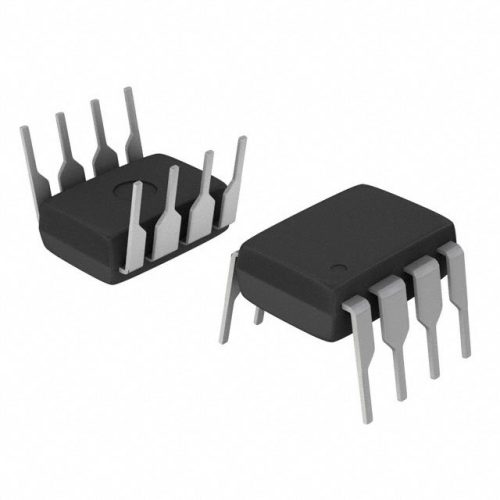
The MSP430FR4133IG56R is manufactured by Texas Instruments. TI positions the MSP430 family for ultra?low?power embedded applications. This part aligns with TI??s focus on energy efficiency, integrated analog peripherals, and FRAM reliability for industrial and portable designs.
FAQ
What is the core architecture?
The device uses a 16?bit MSP430 CPU architecture designed for low active power and deterministic instruction timing. It favors compact code size for control and monitoring tasks.
🌟 Featured Products
-

“Buy MAX9312ECJ+ Precision Voltage Comparator in DIP Package for Reliable Performance”
-
QCC-711-1-MQFN48C-TR-03-1 Bluetooth Audio SoC with MQFN48C Package

-

0339-671-TLM-E Model – High-Performance TLM-E Package for Enhanced Functionality

-
1-1415898-4 Connector Housing, Electrical Wire-to-Board, Receptacle, Packaged
How much nonvolatile memory does it have?
It includes FRAM as the primary program and data nonvolatile memory. FRAM provides higher endurance and faster writes compared with typical flash memories used in similar microcontrollers.
What supply voltage range is supported?
Designed for low?voltage operation, the device accepts an input supply range from 1.8 volts up to 3.6 volts, enabling use with single?cell lithium and common industrial rails.
📩 Contact Us
Which serial interfaces are available?
Integrated eUSCI modules provide UART, SPI, and I2C communications. These interfaces support common sensor and peripheral connectivity without external bridge ICs.
Is this device suited for battery?powered designs?
Yes. Low?power modes, modest active current at 16 MHz, and FRAM??s low write energy make it well suited for battery?operated data logging and remote sensing applications.