

MSP430FR2675TRHBR Overview
The MSP430FR2675TRHBR is a low-power, 16-bit microcontroller that combines nonvolatile FRAM memory with a compact peripheral set for efficient embedded control. It targets battery-operated and energy-conscious industrial designs that need fast nonvolatile writes, long endurance, and multiple mixed-signal interfaces. On-chip low-power modes reduce system energy use, while integrated timers, ADC and communication blocks simplify designs. Find sourcing and support through IC Manufacturer for procurement and technical documentation.
MSP430FR2675TRHBR Technical Specifications
| Parameter | Value |
|---|---|
| CPU Architecture | 16-bit RISC |
| Core Maximum Clock | 16 MHz |
| Nonvolatile Memory Type | FRAM |
| FRAM Size | 64 KB |
| SRAM (RAM) | 2 KB |
| Operating Voltage | 1.8 V to 3.6 V |
| Operating Temperature Range | -40 ??C to +85 ??C |
| ADC Resolution | 12 bits |
| Timers | Two 16-bit timers |
| FRAM Endurance | 10^12 read/write cycles |
MSP430FR2675TRHBR Key Features
- 16-bit CPU for efficient instruction density and lower code size compared to 32-bit alternatives, reducing memory footprint.
- FRAM nonvolatile memory that allows fast writes with high endurance, improving data-logging reliability over time.
- Low-power modes that cut active and standby current, extending battery life in portable and remote sensors.
- Integrated analog and timing peripherals which reduce BOM count and board area while enabling precise measurement and control.
Typical Applications
- Battery-powered sensor nodes and data loggers that need frequent nonvolatile writes and long operational lifetime without battery replacement.
- Industrial control and metering where reliable nonvolatile storage and low-power idle states provide robust event logging and energy savings.
- Handheld medical instruments that require deterministic write cycles, low quiescent current, and compact integration of ADC and timers.
- Smart-home devices and building automation modules needing mixed-signal I/O, quick nonvolatile configuration updates, and simple local control loops.
MSP430FR2675TRHBR Advantages vs Typical Alternatives
The device combines FRAM memory with a 16-bit core to deliver faster nonvolatile writes and far greater endurance than typical flash-based MCUs. It consumes less energy in active and standby modes, so systems can meet stricter battery-life targets. Integrated analog and timer peripherals reduce external components and PCB area, cutting system cost versus larger MCU families. For designers who prioritize long-term data logging, low-power sleep performance, and compact BOMs, this MCU offers a balanced trade-off of performance, reliability, and integration.
🔥 Best-Selling Products
MSP430FR2675TRHBR Brand Info
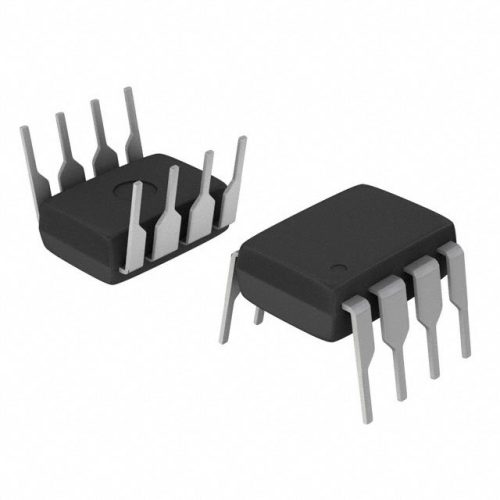
The MSP430FR2675TRHBR is produced by Texas Instruments, a global leader in analog and embedded processing. The MSP430 family is known for ultra-low-power operation and FRAM-based memory options that target energy-sensitive embedded and industrial applications.
FAQ
What is FRAM?
FRAM is ferroelectric random access memory. It offers fast, byte-addressable nonvolatile storage with very high write endurance and lower write energy than flash.
🌟 Featured Products
-

“Buy MAX9312ECJ+ Precision Voltage Comparator in DIP Package for Reliable Performance”
-
QCC-711-1-MQFN48C-TR-03-1 Bluetooth Audio SoC with MQFN48C Package

-

0339-671-TLM-E Model – High-Performance TLM-E Package for Enhanced Functionality

-
1-1415898-4 Connector Housing, Electrical Wire-to-Board, Receptacle, Packaged
What is the supply range?
This device operates across a low-voltage range suitable for battery systems. The supported supply range allows designs to run from common single-cell and regulated sources.
How does it save power?
Power savings come from multiple low-power modes, short active wake times, and efficient FRAM writes. These features reduce average system current compared with many flash-based MCUs.
📩 Contact Us
Are peripherals integrated?
Yes. The MCU integrates mixed-signal peripherals such as a multi-bit ADC and timers that simplify board design and reduce the need for external components.
Where to get documentation?
Datasheets, application notes, and development tools are available from the manufacturer and distribution partners. Refer to official product pages for datasheets and hardware reference materials.