

MSP430F248TPMR Overview
The MSP430F248TPMR is a low?power, 16?bit microcontroller optimized for energy?sensitive industrial and portable applications. It delivers a balanced mix of on?chip memory, analog conversion, and timer peripherals, making it suitable for sensor hubs, metering, and control tasks that need lower power draw and faster wake?to?operate responsiveness than many 8?bit alternatives. For sourcing and manufacturer reference see IC Manufacturer.
MSP430F248TPMR Technical Specifications
| Parameter | Value |
|---|---|
| CPU Architecture | 16?bit RISC |
| Maximum CPU Frequency | up to 16 MHz |
| Operating Voltage | 1.8 V to 3.6 V |
| Flash Memory | 16 KB |
| SRAM | 512 B |
| ADC Resolution | 10?bit, 8 channels |
| Timers | Two 16?bit timer modules |
| Package | TSSOP?28 (TPMR tape & reel) |
| Digital I/O | up to 24 GPIO pins |
| Low?frequency Oscillator | 32.768 kHz crystal support |
MSP430F248TPMR Key Features
- 16?bit core delivering higher computational throughput per cycle compared with typical 8?bit MCUs, enabling more complex control algorithms without external co?processors.
- Integrated 10?bit ADC with multiple channels for direct interfacing to sensors, reducing BOM count and improving signal integrity versus external ADC solutions.
- Dual 16?bit timers for precise PWM, event timing, and capture/compare functions, which matter for motor control and power?management tasks.
- Low operating voltage range and power modes that offer lower standby consumption and longer battery life compared with older generations.
- On?chip Flash and SRAM simplify firmware updates and in?system programmability for quicker deployment and fewer external memory requirements.
Typical Applications
- Battery?powered sensor nodes and data loggers that need reduced sleep current and fast wake transitions for longer operational time between charges.
- Single?phase and multi?phase metering where 10?bit analog conversion and precise timing reduce measurement error and lower system calibration effort.
- Industrial control interfaces requiring deterministic timer control, multiple GPIO, and integrated ADC to monitor and drive actuators with fewer external components.
- Portable medical devices and handheld instruments where power efficiency, compact TSSOP packaging, and integrated peripherals reduce board area and BOM cost.
MSP430F248TPMR Advantages vs Typical Alternatives
The MSP430F248TPMR offers a stronger balance of low power and integrated peripherals compared with many 8?bit MCUs and discrete solutions. Its 16?bit core typically delivers higher processing density per instruction and greater numeric range than 8?bit parts, while built?in ADC, timers, and on?chip Flash reduce external component count and system cost. The device??s lower operating voltage and multiple low?power modes provide longer battery life and more design flexibility for portable and industrial applications.
🔥 Best-Selling Products
MSP430F248TPMR Brand Info
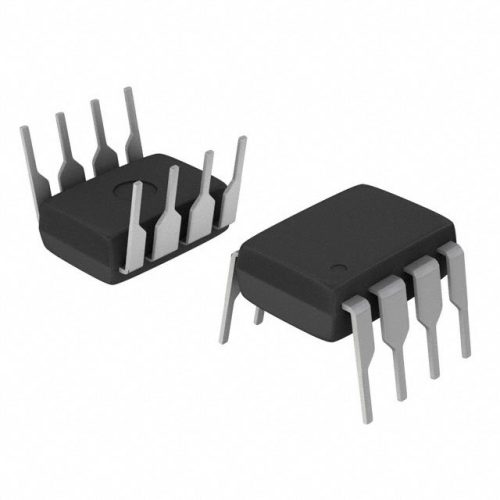
The MSP430F248TPMR is produced by Texas Instruments, a global semiconductor supplier known for mixed?signal and low?power microcontrollers. TI??s MSP430 family emphasizes power efficiency and integrated analog peripherals, supporting rapid prototyping and long product lifecycles for industrial and portable electronics designs.
FAQ
What core does it use?
The device uses a 16?bit RISC core designed for low power and efficient code density. That core provides higher computational capability than typical 8?bit MCUs while maintaining low active and standby currents.
🌟 Featured Products
-

“Buy MAX9312ECJ+ Precision Voltage Comparator in DIP Package for Reliable Performance”
-
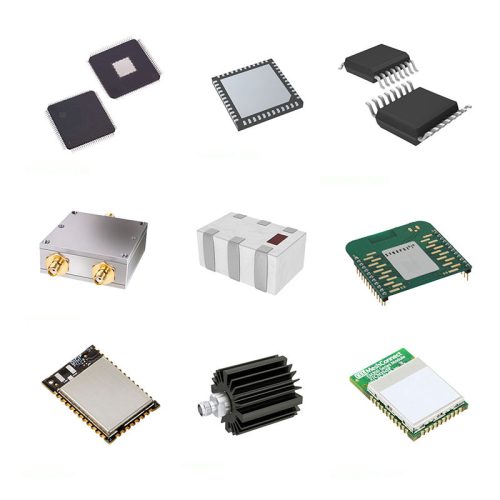
QCC-711-1-MQFN48C-TR-03-1 Bluetooth Audio SoC with MQFN48C Package

-

0339-671-TLM-E Model – High-Performance TLM-E Package for Enhanced Functionality

-
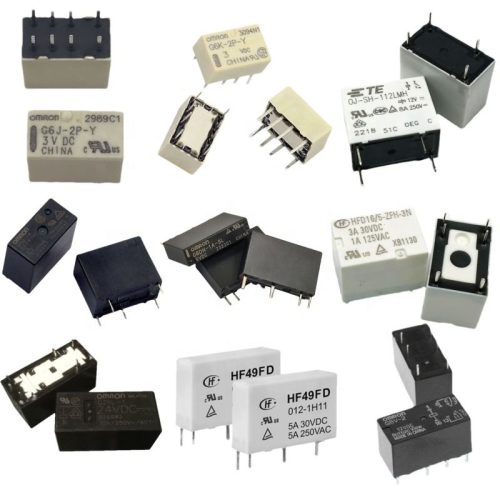
1-1415898-4 Connector Housing, Electrical Wire-to-Board, Receptacle, Packaged
What memory sizes are included?
On?chip nonvolatile memory and RAM support local program and data storage. Flash memory enables in?system programming and firmware updates, while SRAM holds runtime variables and stack with no external memory required for many applications.
How is analog input handled?
Analog inputs are served by an integrated 10?bit ADC with multiple channels. This allows direct sensor connection and simplifies signal routing, lowering PCB complexity compared to designs using external ADCs.
📩 Contact Us
Which power modes exist?
The device provides multiple low?power modes for active, low?power, and standby operation. Designers can trade off clock speed and peripheral activity for lower current consumption to extend battery life.
What packages and sourcing options are available?
The part is offered in a compact TSSOP?28 industrial package and commonly supplied on tape and reel for volume assembly. This supports automated placement and reduces handling cost for production runs.