
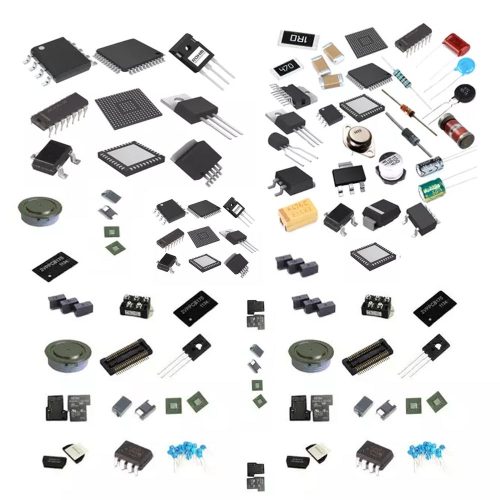

MSP430F233TPMR Overview
The MSP430F233TPMR is a low?power, 16?bit microcontroller designed for compact industrial designs that need more efficiency and lower standby current than many 8?bit alternatives. It combines a 16?bit RISC CPU, integrated analog peripherals and flexible serial interfaces in a small 20?pin TSSOP package. With ultra?low active and standby currents, the device targets battery?sensitive and space?constrained systems that require more computational headroom than typical 8?bit MCU options. For sourcing and manufacturer details see IC Manufacturer.
MSP430F233TPMR Technical Specifications
| Parameter | Value |
|---|---|
| CPU | 16?bit RISC core |
| Maximum clock | Up to 16 MHz |
| Operating voltage | 1.8 V to 3.6 V |
| Flash memory | 2 KB |
| SRAM | 128 B |
| ADC | 10?bit ADC10 |
| Timers | 16?bit Timer_A (capture/compare) |
| Digital I/O | Up to 16 GPIO pins |
| Serial interfaces | USCI module: UART, SPI, I2C |
| Package | 20?pin TSSOP (TPMR) |
| Low?power modes | Multiple LPM states for standby and retention |
| Typical applications | Battery?powered sensors and handheld instrumentation |
MSP430F233TPMR Key Features
- Single 16?bit RISC CPU for balanced processing and energy efficiency, enabling more arithmetic throughput than many 8?bit MCUs.
- Ultra?low power operation with multiple low?power modes to extend battery life in portable and remote systems.
- Integrated 10?bit ADC for direct sensor interfacing, reducing bill of materials by removing external converters.
- Flexible USCI serial module that supports UART, SPI and I2C, simplifying connectivity to peripherals and networks.
- Compact 20?pin TSSOP package for smaller boards and higher board density compared with larger packages.
Typical Applications
- Battery?powered sensor nodes that need low active current and long sleep intervals while performing occasional 10?bit conversions and serial telemetry.
- Handheld diagnostic and measurement tools that benefit from a 16?bit core for faster numeric handling and lower power than larger microcontrollers.
- Industrial control modules with constrained space that require PWM/timer control, ADC sampling and reliable UART or SPI links to peripheral modules.
- Consumer portable devices that demand sub?milliamp sleep current, compact 20?pin packaging and integrated analog front?end for cost?effective designs.
MSP430F233TPMR Advantages vs Typical Alternatives
The device offers a clear tradeoff between capability and power. Compared with common 8?bit MCUs, it delivers more native 16?bit arithmetic performance and a 10?bit ADC while still preserving lower standby currents than many 32?bit parts. Compared with larger MSP430 variants it reduces board area and cost with a 20?pin TSSOP package and smaller memory footprint. Use it when you need better computation than 8?bit devices, lower power than midrange 32?bit MCUs, and integrated analog plus serial peripherals in a compact form.
🔥 Best-Selling Products
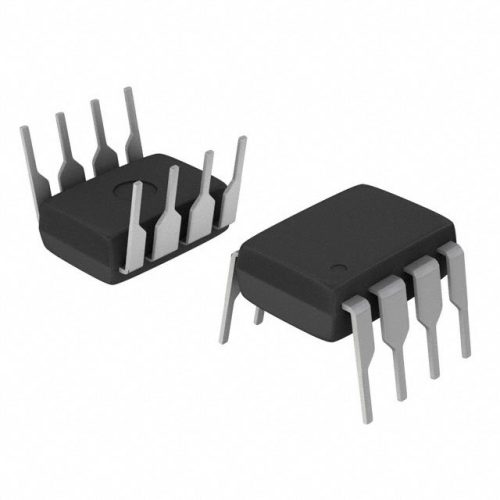
MSP430F233TPMR Brand Info
The MSP430 series is produced by Texas Instruments, a long?standing semiconductor supplier in industrial and embedded markets. This microcontroller follows TI??s MSP430 family approach: focus on ultra?low power, deterministic real?time control and integrated analog features to simplify sensor and battery?powered system design.
FAQ
What package is used?
The part is supplied in a 20?pin TSSOP package (PMR suffix). This small outline package reduces PCB area while keeping accessible GPIO and peripheral pins for compact designs.
🌟 Featured Products
-

“Buy MAX9312ECJ+ Precision Voltage Comparator in DIP Package for Reliable Performance”
-
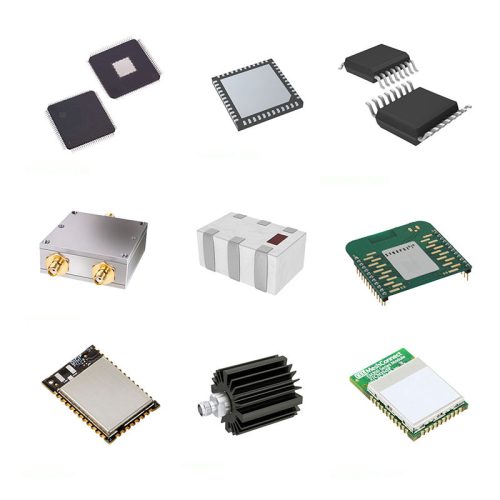
QCC-711-1-MQFN48C-TR-03-1 Bluetooth Audio SoC with MQFN48C Package

-

0339-671-TLM-E Model – High-Performance TLM-E Package for Enhanced Functionality

-
1-1415898-4 Connector Housing, Electrical Wire-to-Board, Receptacle, Packaged
Does it support serial protocols?
Yes. The device includes a universal serial communication interface (USCI) that supports UART, SPI and I2C modes. This lets engineers connect displays, memory and sensors without extra bridge chips.
What analog capability exists?
It integrates a 10?bit analog?to?digital converter suitable for many sensor inputs. The ADC removes the need for an external converter in many measurement and monitoring applications.
📩 Contact Us
What are the power advantages?
Multiple low?power modes let the MCU sleep with minimal current draw and wake quickly for short tasks. This balance preserves battery life while maintaining adequate real?time responsiveness.
Is it suitable for battery systems?
Yes. The wide operating voltage range from 1.8 V to 3.6 V matches common single?cell and rechargeable battery chemistries, making it suitable for portable and remote monitoring systems.