

MSP430F1232IRHBR Overview
The MSP430F1232IRHBR is a low-power, 16-bit microcontroller in the MSP430 family designed for battery-powered and embedded industrial systems. It combines a compact instruction set CPU with on-chip nonvolatile memory and mixed-signal peripherals to reduce board count and simplify system design. Typical strengths include ultra-low active and standby currents, multiple low-power modes, and integrated timers and analog modules for precise sensor interfacing. For ordering and supplier information visit IC Manufacturer.
MSP430F1232IRHBR Technical Specifications
| Parameter | Value |
|---|---|
| Core | 16-bit MSP430 RISC |
| Maximum CPU Clock | 16 MHz |
| Flash Memory | 32 KB |
| SRAM | 1 KB |
| ADC Resolution | 10-bit |
| Timers | 16-bit Timer_A (x1) |
| Communication Modules | USCI: UART, SPI, I2C |
| Supply Voltage | 1.8 V to 3.6 V |
| Operating Temperature | -40 ??C to +85 ??C |
| Available I/O Pins | 32 general-purpose I/Os |
| Package | 64-pin LQFP (industrial version suffix) |
MSP430F1232IRHBR Key Features
- Single 16-bit RISC CPU delivering efficient code density and fast interrupt response for time-critical tasks.
- On-chip flash and SRAM reduce external memory needs, which lowers board cost and improves system reliability.
- Integrated ADC and analog peripherals enable precise sensor measurement without additional ADC chips, saving PCB area.
- Low-voltage operation (1.8 V to 3.6 V) and multiple low-power modes extend battery life in portable applications.
Typical Applications
- Battery-powered sensor modules that require low standby current and accurate analog-to-digital conversion for long-term field operation.
- Industrial control nodes that need deterministic timing, multiple communication options, and robust operation across -40 ??C to +85 ??C.
- User interfaces and simple HMI panels where a compact microcontroller reduces BOM and supports UART or SPI-connected peripherals.
- Portable instrumentation that benefits from a 16-bit CPU, integrated timers, and on-chip flash for firmware updates and data logging.
MSP430F1232IRHBR Advantages vs Typical Alternatives
The device emphasizes ultra-low-power operation and tight integration of processor, memory, timers, and ADC, making it more efficient than many 8-bit alternatives for mixed-signal tasks. With a 16-bit architecture and up to 16 MHz operation, it offers higher computational headroom while maintaining lower active and standby currents versus larger 32-bit MCUs. The on-chip USCI modules provide flexible serial interfaces that reduce the need for external bridge chips, improving reliability and integration.
🔥 Best-Selling Products
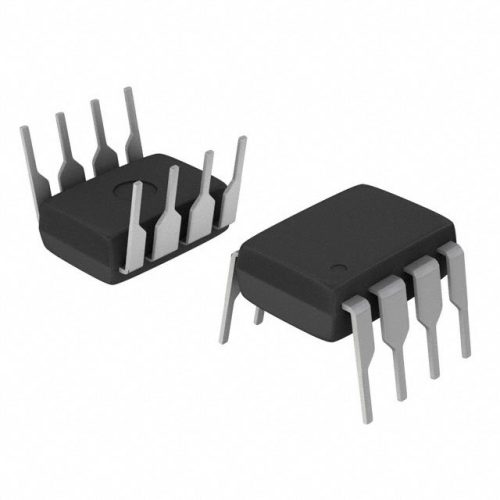
MSP430F1232IRHBR Brand Info
The MSP430F1232IRHBR is a member of Texas Instruments?? MSP430 microcontroller family. TI markets this part for ultra-low-power, mixed-signal applications. The brand emphasizes power efficiency, robust industrial temperature coverage, and wide distributor availability for engineers and procurement teams.
FAQ
What development tools are supported?
Standard MSP430 toolchains support the device, including TI??s integrated development environments and third-party toolchains. Debuggers and programmers compatible with the MSP430 family enable firmware development and in-system programming.
🌟 Featured Products
-

“Buy MAX9312ECJ+ Precision Voltage Comparator in DIP Package for Reliable Performance”
-
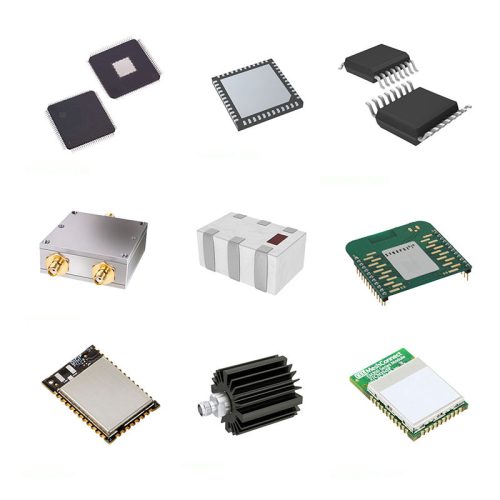
QCC-711-1-MQFN48C-TR-03-1 Bluetooth Audio SoC with MQFN48C Package

-

0339-671-TLM-E Model – High-Performance TLM-E Package for Enhanced Functionality

-
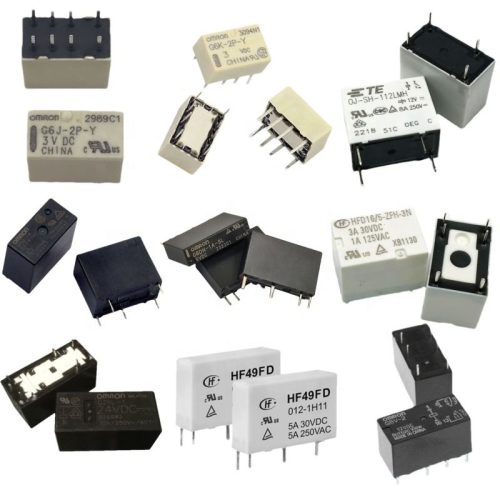
1-1415898-4 Connector Housing, Electrical Wire-to-Board, Receptacle, Packaged
How is low-power operation achieved?
The family uses multiple low-power modes and a low-power real-time clock and oscillator options. Designers can switch peripherals off and use wake-up interrupts to minimize energy use during idle periods.
What interfaces are available for sensors?
On-chip ADC and comparator modules work with general-purpose I/Os and serial USCI interfaces. These options let designers connect analog sensors directly and forward digital data over UART, SPI, or I2C links.
📩 Contact Us
Is this device suitable for industrial use?
Yes. The part??s industrial temperature rating and integrated peripherals make it suitable for many industrial control and sensing applications that require reliable operation across -40 ??C to +85 ??C.
How does memory size affect application design?
Flash and SRAM sizes determine code footprint and runtime data buffering. With on-chip flash and SRAM, many embedded control and data-logging applications can run without external memory, simplifying PCB layout and procurement.