

MRF89XAT-I/MQ Overview
The MRF89XAT-I/MQ is a highly integrated low-power transceiver designed for wireless communication in the 868 MHz ISM band. Optimized for robust performance and efficiency, it supports data rates up to 38.4 kbps with excellent receiver sensitivity and low current consumption. This device integrates a power amplifier, low-noise amplifier, and frequency synthesizer, reducing external component count and simplifying design. Its compact surface-mount package makes it ideal for space-constrained applications, offering engineers a reliable and efficient solution for sub-GHz wireless links. For detailed technical support and procurement, visit IC Manufacturer.
MRF89XAT-I/MQ Technical Specifications
| Parameter | Specification |
|---|---|
| Operating Frequency | 868 MHz ISM band |
| Modulation Types | FSK, GFSK, ASK/OOK |
| Maximum Data Rate | 38.4 kbps |
| Output Power | +13 dBm (typical) |
| Receiver Sensitivity | -117 dBm (typical at 10 kbps) |
| Supply Voltage | 2.0 V to 3.6 V |
| Current Consumption (Transmit) | 29 mA (typical at +10 dBm) |
| Current Consumption (Receive) | 14 mA (typical) |
| Package Type | 28-pin MQFN (4×4 mm) |
MRF89XAT-I/MQ Key Features
- Integrated RF Front-End: Combines power amplifier, low-noise amplifier, and frequency synthesizer to reduce external components, enabling streamlined board designs and faster time-to-market.
- Low Power Consumption: Optimized transmit and receive currents extend battery life in portable and remote sensing applications.
- Flexible Modulation Support: Supports FSK, GFSK, and ASK/OOK modulation schemes, allowing adaptable communication protocols for various industrial and consumer devices.
- High Receiver Sensitivity: At -117 dBm typical sensitivity, it ensures reliable data reception even in noisy or interference-prone environments.
- Compact MQFN Package: The 4×4 mm package footprint facilitates integration into compact wireless modules and embedded systems.
- Wide Supply Voltage Range: Operates from 2.0 V to 3.6 V, making it compatible with common battery chemistries and power management schemes.
MRF89XAT-I/MQ Advantages vs Typical Alternatives
This transceiver delivers superior sensitivity and low power consumption compared to many alternatives, enabling longer battery life and enhanced communication reliability. Its integrated RF front-end reduces the need for additional components, minimizing PCB space and simplifying design complexity. The flexibility in modulation types supports a broad range of wireless protocols, providing versatility in various industrial and consumer applications. Overall, it offers a balanced combination of performance, efficiency, and integration that meets demanding sub-GHz wireless communication requirements.
🔥 Best-Selling Products

Typical Applications
- Wireless sensor networks requiring low-power, long-range communication in the 868 MHz ISM band, commonly used in industrial monitoring and automation systems.
- Remote keyless entry systems where secure and reliable data transmission over moderate distances is essential.
- Home and building automation devices including smart lighting and HVAC control, benefiting from low current consumption and compact size.
- Meter reading and telemetry applications where robust sub-GHz wireless links support data collection in challenging RF environments.
MRF89XAT-I/MQ Brand Info
The MRF89XAT-I/MQ is part of a family of RF transceivers developed by a leading semiconductor provider specializing in wireless communication solutions. This product line focuses on delivering high-performance, low-power transceivers optimized for the 868 MHz ISM band. Known for their reliability and integration depth, these devices support a wide range of industrial and consumer applications. The manufacturer provides comprehensive documentation and support to assist engineers in seamless integration and efficient deployment of wireless systems.
FAQ
What modulation schemes does this transceiver support?
It supports Frequency Shift Keying (FSK), Gaussian Frequency Shift Keying (GFSK), and Amplitude Shift Keying/On-Off Keying (ASK/OOK), providing flexibility to implement various wireless communication protocols.
🌟 Featured Products
-

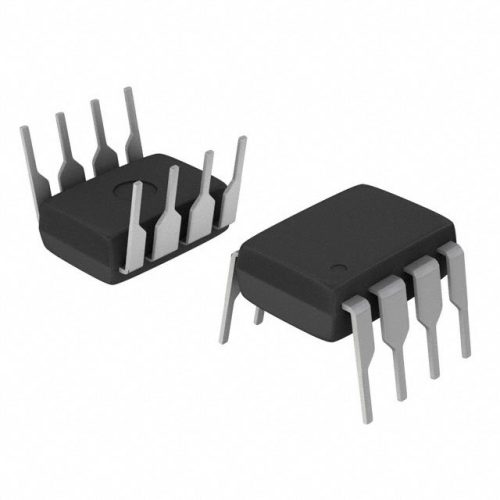
“Buy MAX9312ECJ+ Precision Voltage Comparator in DIP Package for Reliable Performance”
-
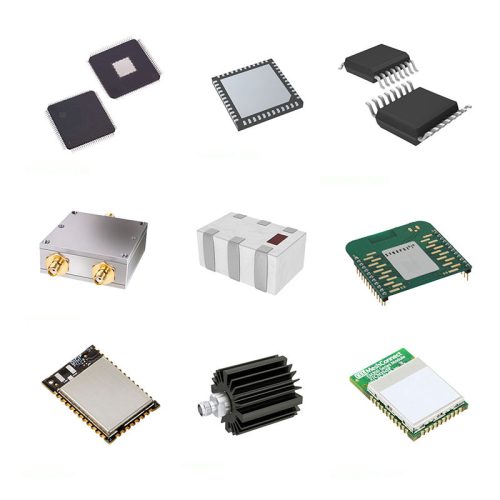
QCC-711-1-MQFN48C-TR-03-1 Bluetooth Audio SoC with MQFN48C Package

-

0339-671-TLM-E Model – High-Performance TLM-E Package for Enhanced Functionality

-
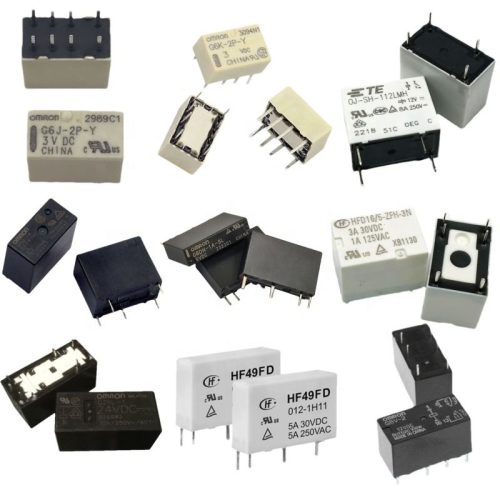
1-1415898-4 Connector Housing, Electrical Wire-to-Board, Receptacle, Packaged
What is the typical operating voltage range for this device?
The device operates reliably within a supply voltage range of 2.0 V to 3.6 V, making it compatible with common battery types and power supplies used in portable and embedded applications.
How does the receiver sensitivity impact overall system performance?
With a typical sensitivity of -117 dBm at 10 kbps data rate, the transceiver can detect weak signals, which improves communication range and reliability, especially in environments with RF interference or obstacles.
📩 Contact Us
What packaging options are available for this transceiver?
This transceiver is supplied in a compact 28-pin MQFN package with dimensions of 4×4 mm, suitable for space-constrained designs and automated PCB assembly processes.
Can this device be used for long-range wireless communication?
While designed primarily for sub-GHz ISM band applications, its combination of +13 dBm output power and high sensitivity enables moderate-range wireless links. Range depends on environmental factors and antenna design but is generally suitable for sensor networks and remote control systems.

