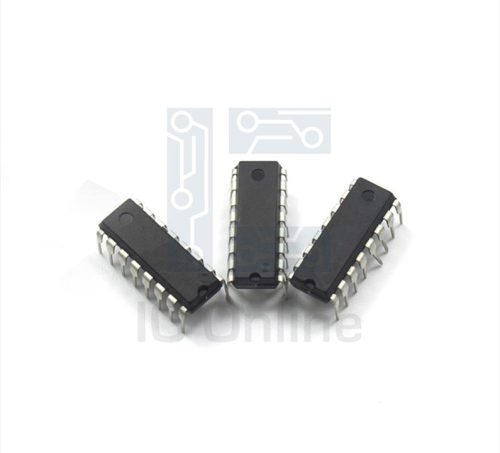
JAN2N7372-Transistor Overview
The JAN2N7372 transistor is a high-performance silicon NPN bipolar junction transistor designed for switching and amplification applications. Featuring a robust maximum collector-emitter voltage and reliable current handling capability, it is well-suited for industrial and military-grade electronics requiring durability and precision. This device offers excellent gain characteristics and low noise operation, making it a versatile choice for engineers aiming to optimize circuit efficiency and stability. For detailed technical insights and sourcing options, visit IC Manufacturer.
JAN2N7372-Transistor Technical Specifications
| Parameter | Value |
|---|---|
| Type | NPN Bipolar Junction Transistor |
| Collector-Emitter Voltage (VCEO) | 80 V |
| Collector-Base Voltage (VCBO) | 100 V |
| Emitter-Base Voltage (VEBO) | 5 V |
| Collector Current (IC) | 1 A |
| Power Dissipation (PD) | 625 mW |
| DC Current Gain (hFE) | 40 to 320 (depending on operating point) |
| Transition Frequency (fT) | 100 MHz |
| Operating Temperature Range | -55??C to +150??C |
JAN2N7372-Transistor Key Features
- High voltage tolerance: Supports collector-emitter voltages up to 80 V, enabling use in demanding power switching circuits.
- Wide current handling: Capable of continuous collector current up to 1 A, ensuring reliable operation in moderate power amplification.
- Broad frequency response: Transition frequency of up to 100 MHz allows for efficient high-speed switching and signal amplification.
- Robust thermal performance: Rated for operation up to 150??C, supporting stable function in harsh industrial environments.
Typical Applications
- Signal amplification in analog circuits where moderate power and frequency response are required, such as audio and instrumentation amplifiers.
- Switching components in power management systems within industrial control units.
- Driver stages in relay and solenoid control circuits, benefiting from the transistor??s high voltage and current capabilities.
- Military and aerospace electronics requiring rugged, reliable transistor components with extended temperature range.
JAN2N7372-Transistor Advantages vs Typical Alternatives
This transistor offers a balanced combination of voltage rating, current capability, and gain characteristics that stand out against typical alternatives. Its high collector-emitter voltage and robust power dissipation make it suitable for demanding industrial and military applications. Additionally, its wide operating temperature range and reliable frequency response enhance circuit stability and reduce failure rates compared to standard transistors, ensuring long-term operational reliability.
🔥 Best-Selling Products
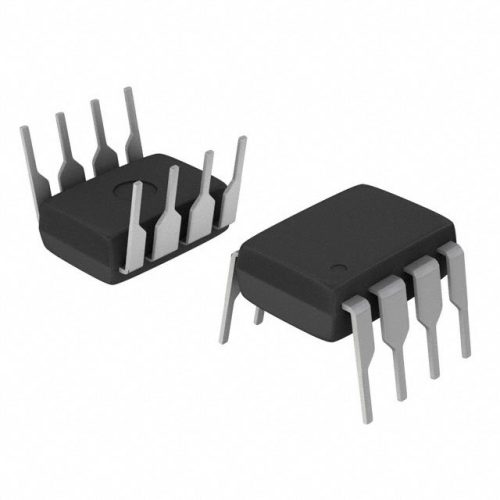

JAN2N7372-Transistor Brand Info
The JAN prefix indicates that this transistor meets Joint Army-Navy (JAN) military specifications, ensuring ruggedness and reliability under harsh conditions. Typically manufactured by established semiconductor producers specializing in military-grade components, this device is produced under strict quality assurance standards to comply with defense and aerospace industry requirements. Its brand reputation is built on consistent performance, extended lifespan, and compliance with MIL-STD-750 test methods.
FAQ
What is the maximum voltage rating for the collector-emitter junction of this transistor?
The maximum collector-emitter voltage (VCEO) is rated at 80 V, which allows for usage in circuits requiring moderate to high voltage switching and amplification without risk of breakdown under normal operating conditions.
🌟 Featured Products
-

“Buy MAX9312ECJ+ Precision Voltage Comparator in DIP Package for Reliable Performance”
-
QCC-711-1-MQFN48C-TR-03-1 Bluetooth Audio SoC with MQFN48C Package

-

0339-671-TLM-E Model – High-Performance TLM-E Package for Enhanced Functionality

-
1-1415898-4 Connector Housing, Electrical Wire-to-Board, Receptacle, Packaged
Can this transistor operate at high frequencies for RF applications?
With a transition frequency (fT) of approximately 100 MHz, this transistor is suitable for medium-frequency applications but may not be optimal for very high-frequency RF designs. It performs well in switching and amplification roles up to VHF ranges.