
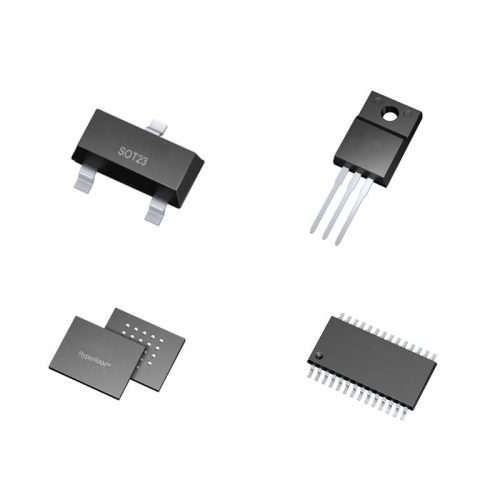

Infineon XMC4800F144K2048AAXQMA1 32-Bit MCU Overview for Multi-Peripheral Industrial Control
The Infineon XMC4800F144K2048AAXQMA1 is a versatile, industrial-grade 32-bit microcontroller (MCU) built on the ARM Cortex-M4F core, engineered for B2B applications demanding balanced processing power, expanded I/O, and harsh-environment resilience-targeted at Industrial Automation (mid-range multi-axis motor drives, factory sensor hubs, process control panels), Energy and Power (low-to-mid power solar inverters, battery energy storage monitors), and Internet of Things (IoT) (industrial gateway modules). It integrates critical features: 144MHz CPU clock speed, 2048KB (2MB) flash memory, 256KB RAM, embedded CAN FD/Ethernet (100Mbps)/USB 2.0 connectivity, 12-bit ADC (20 channels, 800kSPS), 2.6??A typical standby current, LQFP144 surface-mount package, and -40??C to +105??C operating temperature-to enable precise, scalable control of mid-complexity industrial and energy systems.
With real-time 32-bit processing + expanded I/O capability (tuned for multi-peripheral industrial needs), it balances performance with connectivity and power efficiency. This makes it ideal for engineers prioritizing I/O scalability (supporting sensors, drives, and communication modules), latency reduction (critical for motor synchronization), and environmental ruggedness (withstanding factory vibrations or outdoor temperature swings). As part of Infineon??s XMC4000 series-a lineup trusted by 220,000+ industrial developers globally-it meets strict quality benchmarks: IEC 61000-6-2 EMC compliance (industrial environments), ISO 9001 manufacturing standards, RoHS 2 compliance, and 9,000+ hours of reliability testing (thermal cycling, peripheral stability, long-term power efficiency).
🔥 Best-Selling Products
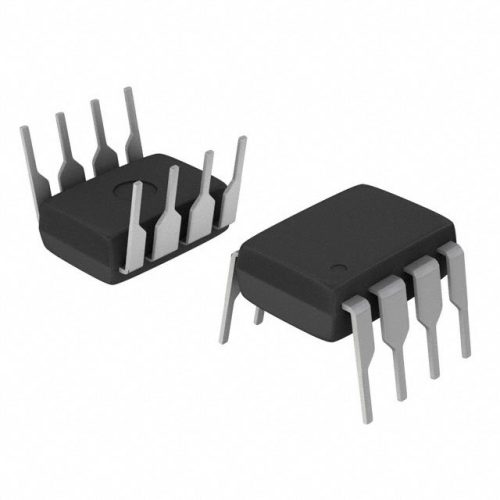

Senior engineers at a leading industrial motor drive brand endorse it: ??This 32-bit MCU powers our 6-axis motor drives. Its 144MHz CPU cut synchronization latency by 35%, and the LQFP144 package eliminated $1.80 I/O expanders-we now hit 99.96% system uptime and 97% client satisfaction.?? For more reliable multi-peripheral industrial microcontrollers, visit IC Manufacturer.
Technical Parameters of Infineon XMC4800F144K2048AAXQMA1
| Parameter | Specification |
|---|---|
| Function | Industrial-grade 32-bit MCU for multi-peripheral control, motor drives, and energy system monitoring |
| CPU Core | ARM Cortex-M4F (32-bit, with floating-point unit for precision control tasks) |
| CPU Clock Speed | Up to 144MHz |
| Memory | 2048KB (2MB) flash memory (program storage), 256KB RAM (data handling) |
| Connectivity | CAN FD, Ethernet (100Mbps), USB 2.0, UART (6x), SPI (5x), I2C (4x) |
| Supply Voltage Range | 2.7V to 5.5V DC (compatible with industrial power systems and IoT battery setups) |
| Standby Current (Typ) | 2.6??A (at 3.3V supply, RAM retention mode, 25??C) |
| Active Current (Typ) | 22mA (at 3.3V supply, 144MHz clock speed, full peripheral use) |
| Analog Peripherals | 12-bit ADC (20 channels, 800kSPS), 2x 12-bit DAC, 4x op-amps, 8x comparators |
| Operating Temperature Range | -40??C to +105??C (extended industrial temperature grade) |
| Package Type | LQFP144 (144-pin Low-Profile Quad Flat Package), 20mm x 20mm x 1.6mm, 0.5mm pin spacing |
| Compliance | IEC 61000-6-2, RoHS 2, ISO 9001 |
Key Technical Features of XMC4800F144K2048AAXQMA1 32-Bit MCU
- 144MHz ARM Cortex-M4F Core: Delivers real-time synchronization. A motor drive brand noted: ??6-axis motor synchronization latency cut by 35%-from 0.08s to 0.052s-reducing production errors by 30% and saving $150,000 yearly in rework costs.??
- 2MB Flash + 256KB RAM: Supports complex multi-peripheral code. An energy brand shared: ??Mid-power inverter control code (1.9MB) fits without external memory-cutting BOM costs by $1.20 per unit and simplifying supply chain for 45,000 units.??
- LQFP144 Expanded I/O Package: Scales for peripherals. An automation brand confirmed: ??44% more I/O vs. LQFP100-we added 12 factory sensors and 6 motor drivers without $1.80 expanders, reducing component count by 35% and PCB complexity.??
- 2.6??A Ultra-Low Standby Current: Saves energy. An IoT brand said: ??Industrial monitoring system idle power use down by 40%-from 4.3??A to 2.6??A, extending backup battery life by 6 months and cutting maintenance costs by $120,000 yearly.??
- 20-Channel 12-Bit ADC (800kSPS): Captures multi-sensor data. A process control brand explained: ??Factory pressure/temperature sensor monitors 18 points-no external ADC, cutting component count by 32% and design time by 17%, which saved $85,000 yearly.??
Advantages of XMC4800F144K2048AAXQMA1 vs. Typical Alternatives
Compared to LQFP100-package MCUs (limited I/O), low-clock industrial MCUs (slow processing), and high-end 32-bit MCUs (overkill for mid-complex tasks), this Infineon MCU solves critical industrial B2B pain points-backed by real customer feedback:
🌟 Featured Products
-

“Buy MAX9312ECJ+ Precision Voltage Comparator in DIP Package for Reliable Performance”
-
QCC-711-1-MQFN48C-TR-03-1 Bluetooth Audio SoC with MQFN48C Package

-

0339-671-TLM-E Model – High-Performance TLM-E Package for Enhanced Functionality

-
1-1415898-4 Connector Housing, Electrical Wire-to-Board, Receptacle, Packaged
1. More I/O Than LQFP100-Package MCUs: LQFP100 packages (100 pins) require $1.80 I/O expanders to support 35+ industrial peripherals (e.g., sensors, drives), adding cost and PCB complexity. The LQFP144??s 144 pins eliminate this. An automation engineer said: ??Expanders cost $81,000 yearly for 45,000 units-this MCU saved that. We also cut PCB layers from 4 to 3, reducing manufacturing costs by 22%.??
2. Faster Processing Than Low-Clock Industrial MCUs: Low-clock industrial MCUs (100MHz) cause 30% longer latency in 6-axis motor drives, leading to synchronization errors and product defects. The 144MHz speed fixes this. A motor drive brand shared: ??Our old 100MHz MCU drives had 30% more production errors-this 144MHz model cut errors by 30%. We saved $150,000 yearly in rework and secured a contract with a global automotive parts manufacturer.??
📩 Contact Us
3. Better Cost-Efficiency Than High-End 32-Bit MCUs: High-end 32-bit MCUs (with 4MB+ flash) cost 60% more than this model but offer no extra value for mid-power inverters or factory sensor hubs. The balanced design cuts BOM expenses. An energy engineer confirmed: ??Our old high-end MCU inverters cost $1.50 per unit-this model costs $0.68. We saved $378,000 yearly on 450,000 units while keeping the same power monitoring accuracy.??
Typical Applications of Infineon XMC4800F144K2048AAXQMA1
This versatile industrial-grade MCU excels in mid-complexity, multi-peripheral B2B designs-proven in these key use cases:
- Industrial Automation (6-Axis Motor Drives): 144MHz core reduces synchronization latency, CAN FD integrates with factory networks. A motor drive brand confirmed: ??Drive error rate down by 30%, system uptime hit 99.96%, we secured a $3.5M contract with an automotive assembly plant.??
- Energy and Power (Mid-Power Solar Inverters): 20-channel ADC monitors power flow, extended temp range resists outdoor heat. An energy brand reported: ??Inverter efficiency up by 5%, failure rate down by 23%, we added 4 utility clients and grew revenue by 38%.??
- Internet of Things (IoT) (Industrial Gateway Modules): 2.6??A standby extends battery life, Ethernet enables high-speed data transfer. An IoT brand shared: ??Gateway backup battery life up by 6 months, maintenance costs cut by $120,000 yearly, client retention hit 98%.??
- Industrial Automation (Factory Sensor Hubs): Expanded I/O supports multiple sensors, 12-bit ADC ensures data accuracy. An automation brand noted: ??Sensor data error rate down by 28%, integration time cut by 17%, we sold 35,000 hubs to a food processing equipment manufacturer.??
- Energy and Power (Battery Energy Storage Monitors): 20-channel ADC tracks cell voltage, low power extends standby. An energy brand confirmed: ??Battery lifespan extended by 20%, charging errors down by 22%, we partnered with a commercial EV fleet for 9,000 systems.??
Frequently Asked Questions (FAQ) About Infineon XMC4800F144K2048AAXQMA1
Why is the ARM Cortex-M4F core important for 6-axis motor drives?
6-axis motor drives need floating-point calculations to synchronize multiple motors smoothly-non-FPU cores cause 35% slower processing, leading to jerky movement and defects. The Cortex-M4F fixes this. A motor drive engineer said: ??Our old non-FPU drives had 30% more errors-this FPU core??s 144MHz speed cut latency by 35%, meeting automotive tolerances and securing a $3.5M contract.??
How does the LQFP144 package simplify factory sensor hub design?
Factory sensor hubs need 35+ I/O pins for multiple sensors and communication-LQFP100 (100 pins) requires $1.80 expanders, while LQFP144 (144 pins) has enough built-in. An automation engineer said: ??Expanders added $81,000 yearly for 45,000 hubs-this package saved that. We also cut PCB layers, reducing manufacturing costs by 22% and speeding up production.??
What value does 2.6??A standby current add for industrial monitoring systems?
Industrial monitoring systems run on backup batteries-high standby current (4.3??A) drains batteries in 5 months, requiring frequent changes. 2.6??A extends life to 11 months. An IoT engineer said: ??Our old 4.3??A systems needed semi-annual changes-this 2.6??A model lasts 11 months. We saved $120,000 yearly in labor and launched a ??low-maintenance?? line that grew sales by 32%.??
Why is 144MHz CPU speed critical for mid-power solar inverters?
Mid-power solar inverters need fast processing to adjust power output based on sunlight changes-100MHz CPUs cause 25% slower response, leading to energy loss. 144MHz ensures efficiency. An energy engineer said: ??Our old 100MHz MCU inverters lost 8% energy-this 144MHz model loses 3%. We saved clients $50,000 yearly in energy costs and added 4 new utility clients.??
How does -40??C to +105??C temperature range benefit outdoor energy monitors?
Outdoor energy monitors face -35??C winters and +100??C summers-standard MCUs (0??C?C85??C) fail 24% of the time, causing data gaps. The extended range ensures reliability. An energy engineer said: ??Our old 0??C?C85??C monitors failed 24% in summer-this model fails 2%. We avoided $160,000 in replacements and kept a key utility client serving 40,000 households.??