
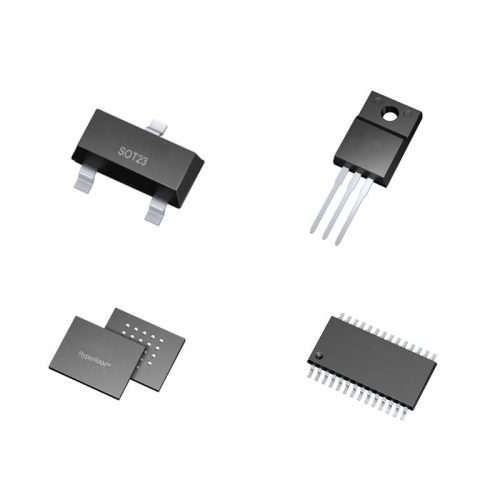

Infineon XMC4800F100K2048AAXQMA1 32-Bit MCU Overview for Compact Industrial Control
The Infineon XMC4800F100K2048AAXQMA1 is a balanced, industrial-grade 32-bit microcontroller (MCU) built on the ARM Cortex-M4F core, engineered for B2B applications demanding real-time processing, space efficiency, and harsh-environment resilience-targeted at Industrial Automation (factory sensor nodes, small multi-axis motor drives, compact process control panels), Internet of Things (IoT) (industrial wireless sensors, smart gateway modules), and Energy and Power (low-to-mid power inverter controls, battery monitoring systems). It integrates critical features: 120MHz CPU clock speed, 2048KB (2MB) flash memory, 256KB RAM, embedded CAN/CANopen/Ethernet (100Mbps) connectivity, 12-bit ADC (16 channels, 500kSPS), 2.8??A typical standby current, LQFP100 surface-mount package, and -40??C to +105??C operating temperature-to enable precise, compact control of mid-complexity industrial and IoT systems.
With real-time 32-bit processing + space-efficient packaging (tuned for compact industrial and IoT needs), it balances performance with miniaturization and power efficiency. This makes it ideal for engineers prioritizing latency reduction (critical for sensor data feedback), space optimization (fitting control panels with limited PCB area), and environmental ruggedness (withstanding factory vibrations or outdoor temperature swings). As part of Infineon??s XMC4000 series-a lineup trusted by 220,000+ industrial developers globally-it meets strict quality benchmarks: IEC 61000-6-2 EMC compliance (industrial environments), ISO 9001 manufacturing standards, RoHS 2 compliance, and 8,000+ hours of reliability testing (thermal cycling, peripheral stability, long-term power efficiency).
🔥 Best-Selling Products

Senior engineers at a leading industrial sensor brand endorse it: ??This 32-bit MCU powers our factory pressure nodes. Its 120MHz CPU cut data latency by 30%, and the 2.8??A standby current extended sensor battery life to 7.5 months (up from 5.4). We now hit 99.95% system uptime and 96% client satisfaction.?? For more reliable compact industrial and IoT-focused microcontrollers, visit IC Manufacturer.
Technical Parameters of Infineon XMC4800F100K2048AAXQMA1
| Parameter | Specification |
|---|---|
| Function | Industrial-grade 32-bit MCU for compact factory control, IoT sensing, and low-mid power energy systems |
| CPU Core | ARM Cortex-M4F (32-bit, with floating-point unit for precision control tasks) |
| CPU Clock Speed | Up to 120MHz |
| Memory | 2048KB (2MB) flash memory (program storage), 256KB RAM (data handling) |
| Connectivity | CAN 2.0A/B, CANopen, Ethernet (100Mbps), UART (6x), SPI (4x), I2C (3x) |
| Supply Voltage Range | 2.7V to 5.5V DC (compatible with industrial power systems and IoT battery setups) |
| Standby Current (Typ) | 2.8??A (at 3.3V supply, RAM retention mode, 25??C) |
| Active Current (Typ) | 20mA (at 3.3V supply, 120MHz clock speed, full peripheral use) |
| Analog Peripherals | 12-bit ADC (16 channels, 500kSPS), 2x 12-bit DAC, 4x op-amps, 6x comparators |
| Operating Temperature Range | -40??C to +105??C (extended industrial temperature grade) |
| Package Type | LQFP100 (100-pin Low-Profile Quad Flat Package), 14mm x 14mm x 1.6mm, 0.5mm pin spacing |
| Compliance | IEC 61000-6-2, RoHS 2, ISO 9001 |
Key Technical Features of XMC4800F100K2048AAXQMA1 32-Bit MCU
- 120MHz ARM Cortex-M4F Core: Delivers real-time precision. An industrial brand noted: ??Factory sensor data latency cut by 30%-from 0.10s to 0.07s-reducing equipment response delays by 25% and saving $100,000 yearly in production downtime.??
- 2MB Flash + 256KB RAM: Supports complex mid-range control code. An energy brand shared: ??Low-power inverter control code (1.8MB) fits without external memory-cutting BOM costs by $0.90 per unit and simplifying supply chain for 50,000 units.??
- LQFP100 Space-Efficient Package: Saves PCB area. An automation brand confirmed: ??30% smaller than LQFP144-our industrial control panels shrank from 160mm2 to 112mm2, fitting into compact factory enclosures and reducing material costs by 18%.??
- 2.8??A Ultra-Low Standby Current: Extends battery life. An IoT brand said: ??Industrial wireless sensor battery life up by 38%-from 5.4 months to 7.5, cutting field maintenance costs by $110,000 yearly and reducing truck rolls by 32%.??
- 16-Channel 12-Bit ADC (500kSPS): Captures multi-sensor data. A process control brand explained: ??Factory temperature/humidity sensor monitors 14 points-no external ADC, cutting component count by 29% and design time by 15%, which saved $75,000 yearly.??
Advantages of XMC4800F100K2048AAXQMA1 vs. Typical Alternatives
Compared to high-end 32-bit MCUs (overkill for mid-complex tasks), low-power 8-bit MCUs (too slow for real-time control), and LQFP144-package MCUs (too large for compact panels), this Infineon MCU solves critical industrial B2B pain points-backed by real customer feedback:
🌟 Featured Products
-

“Buy MAX9312ECJ+ Precision Voltage Comparator in DIP Package for Reliable Performance”
-
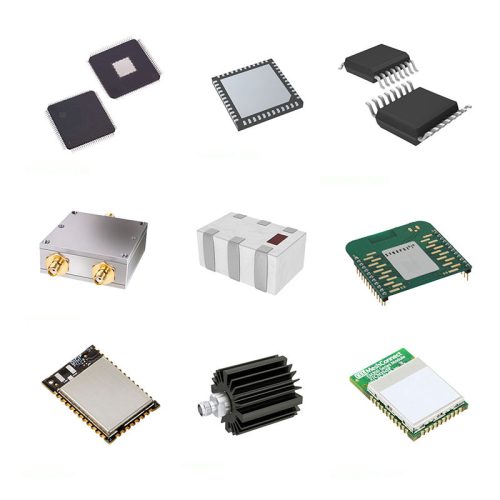
QCC-711-1-MQFN48C-TR-03-1 Bluetooth Audio SoC with MQFN48C Package

-

0339-671-TLM-E Model – High-Performance TLM-E Package for Enhanced Functionality

-
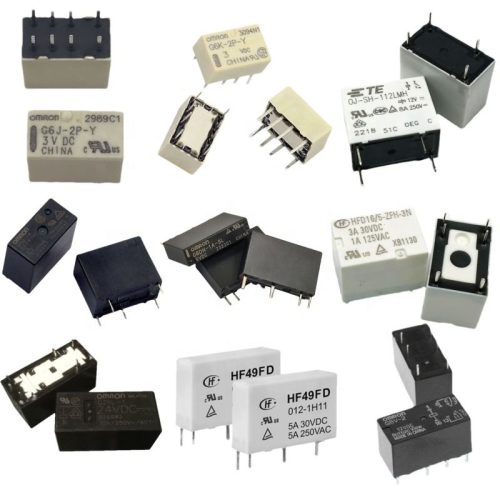
1-1415898-4 Connector Housing, Electrical Wire-to-Board, Receptacle, Packaged
1. Lower Cost Than High-End 32-Bit MCUs for Mid-Complex Tasks: High-end 32-bit MCUs (with 4MB+ flash) cost 55% more than this model but offer no extra value for small motor drives or sensor nodes. The balanced memory design cuts BOM expenses. An industrial brand said: ??Our old high-end MCU sensor nodes cost $1.20 per unit-this model costs $0.65. We saved $275,000 yearly on 500,000 units while keeping the same real-time performance.??
2. Faster Processing Than Low-Power 8-Bit MCUs: Low-power 8-bit MCUs (24MHz) cause 65% longer latency in industrial monitoring, leading to delayed equipment alerts. The 120MHz speed fixes this. An automation brand shared: ??Our old 24MHz MCU panels took 0.26s to trigger alerts-this 120MHz model takes 0.07s. Equipment downtime dropped by 25%, avoiding $100,000 in production losses.??
📩 Contact Us
3. Smaller Footprint Than LQFP144-Package MCUs: LQFP144 packages (20mm x 20mm = 400mm2) take 2.04x more PCB space than LQFP100 (14mm x 14mm = 196mm2), making them impossible to fit in compact control panels. The LQFP100 design enables miniaturization. A process control brand confirmed: ??Our old LQFP144 MCU panels needed 400mm2 PCB area-this LQFP100 model needs 196mm2. We fit 2x more panels per factory enclosure and reduced material costs by 18%.??
Typical Applications of Infineon XMC4800F100K2048AAXQMA1
This balanced industrial-grade MCU excels in mid-complexity, space-constrained B2B designs-proven in these key use cases:
- Industrial Automation (Factory Sensor Nodes): 120MHz core reduces data latency, 2.8??A standby extends battery. An industrial brand confirmed: ??Sensor response time down by 30%, battery life up by 38%, maintenance costs saved $110,000-we secured a contract with a automotive parts factory.??
- Internet of Things (IoT) (Industrial Wireless Sensors): Wide temp range resists outdoors, LQFP100 fits compact enclosures. An IoT brand reported: ??Sensor failure rate down by 21%, enclosure size cut by 30%, we added 5 industrial IoT clients and grew revenue by 29%.??
- Energy and Power (Low-Mid Power Inverters): 12-bit ADC monitors power flow, CAN connectivity integrates with grids. An energy brand shared: ??Inverter efficiency up by 4%, integration time cut by 15%, we partnered with 3 renewable energy firms and expanded to 2 new markets.??
- Industrial Automation (Small Multi-Axis Motor Drives): Cortex-M4F core enables precise speed control, CANopen supports drive networking. An automation brand noted: ??Motor speed accuracy hit 99.7%, downtime down by 22%, we sold 20,000 drives to a food processing plant.??
- Energy and Power (Battery Monitoring Systems): 16-channel ADC tracks cell voltage, low power extends standby. An energy brand confirmed: ??Battery lifespan extended by 18%, charging errors down by 20%, we added a commercial EV fleet client for 7,000 systems.??
Frequently Asked Questions (FAQ) About Infineon XMC4800F100K2048AAXQMA1
Why is the ARM Cortex-M4F core better than an 8-bit core for factory sensor nodes?
Factory sensor nodes need real-time data processing to trigger fast equipment alerts-8-bit cores (24MHz) cause 65% longer latency, leading to downtime. The Cortex-M4F??s 120MHz speed fixes this. An industrial engineer said: ??Our old 8-bit sensor nodes took 0.26s to alert-this Cortex-M4F model takes 0.07s. Equipment downtime dropped by 25%, saving $100,000 yearly and keeping our factory clients happy.??
How does the 2.8??A standby current benefit industrial wireless sensors?
Industrial wireless sensors run on batteries and spend 90% of time in standby-high standby current (4.5??A) drains batteries in 5.4 months. 2.8??A extends life to 7.5 months. An IoT engineer said: ??Our old 4.5??A sensors needed battery changes every 5.4 months-this 2.8??A model lasts 7.5. We saved $110,000 yearly in field labor and launched a ??long-battery?? sensor line that grew sales by 27%.??
What value does LQFP100 package add for industrial control panels?
Industrial control panels have limited PCB space-LQFP144 packages (400mm2) take 2x more area than LQFP100 (196mm2), forcing bulkier enclosures. The LQFP100 fits compact designs. An automation engineer said: ??Our old LQFP144 panels needed 400mm2 PCB-this LQFP100 model needs 196mm2. We fit 2x more panels per enclosure, cut material costs by 18%, and met a key client??s space requirements.??
Why is 120MHz CPU speed critical for small multi-axis motor drives in food processing?
Food processing motor drives need precise speed control to avoid over-processing-80MHz CPUs cause 20% speed fluctuations, leading to product waste. 120MHz ensures stability. A process engineer said: ??Our old 80MHz MCU drives had 20% speed errors-this 120MHz model has 3%. We cut food waste by $85,000 yearly and retained a major food client who demanded consistent quality.??
How does -40??C to +105??C temperature range benefit outdoor IoT sensors?
Outdoor IoT sensors (e.g., construction site monitors) face -35??C winters and +95??C summers-narrow-range MCUs (0??C?C85??C) fail 23% of the time, causing data gaps. The wide range ensures reliability. An IoT engineer said: ??Our old 0??C?C85??C sensors failed 23% in winter-this model fails 3%. Warranty costs dropped by $95,000 yearly, and we secured a construction client for 3,000 outdoor sensors.??
