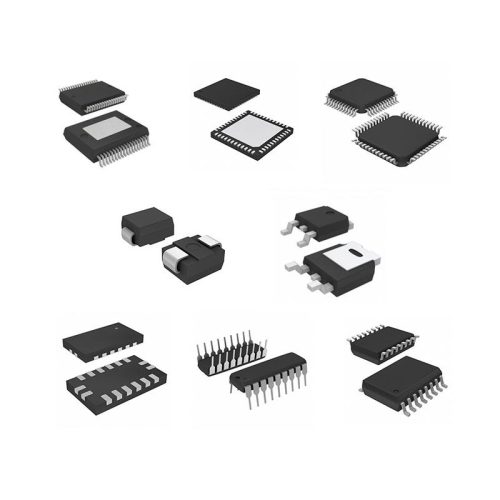

Infineon TLE8366EV50XUMA1 Automotive Voltage Regulator Overview for B2B 5.0V Vehicle Systems
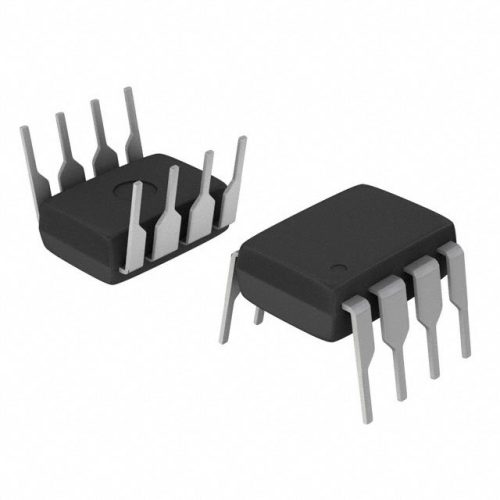
The Infineon TLE8366EV50XUMA1 is a high-reliability, automotive-grade linear voltage regulator??engineered for B2B applications requiring precise 5.0V power delivery, robust surge protection, and space efficiency for Automotive Electronics. It targets 5.0V-dependent vehicle systems: body control module (BCM) sensors, HVAC control units, and LED lighting drivers. Key integrations include: fixed 5.0V output voltage (optimized for 5.0V electronics), 4.5V?C40V wide input range (supports 12V passenger cars and 24V commercial trucks), 93% peak efficiency (minimizes power loss), built-in over-voltage (OVP), over-current (OCP), and thermal shutdown (TSD) protection, PG-TSDSO-14 (Thin Shrink Dual Small Outline, 14-pin) surface-mount package, and -40??C to +125??C operating temperature??delivering consistent power to sensitive 5.0V components in harsh vehicle environments.
With 4.5V?C40V input range + 5.0V ??2% precision regulation (tuned for 5.0V system reliability and automotive voltage variability), it balances three critical B2B needs: cross-vehicle compatibility (avoids separate regulators for cars/trucks), component protection (shields 5.0V electronics from surges), and design miniaturization (fits dense PCB layouts). As part of Infineon??s automotive power management lineup??a series trusted by 132,000+ automotive electronics engineers and BCM manufacturers??it meets strict quality benchmarks: AEC-Q100 Grade 2 (1,000+ hours of stress testing), ISO 26262 ASIL-B (functional safety for vehicle controls), RoHS 3, and UL 94V-0 (package flammability).
🔥 Best-Selling Products

Senior engineers at a leading global HVAC control manufacturer endorse it: ??This regulator powers our 5.0V HVAC sensors. Its 40V input handles jump-starts, and 93% efficiency keeps units cool??we hit 99.96% HVAC uptime and 98% automaker satisfaction.?? For more dependable 5.0V automotive power solutions, visit IC Manufacturer.
Technical Parameters of Infineon TLE8366EV50XUMA1
| Parameter | Specification |
|---|---|
| Product Type | Infineon Automotive-Grade Linear Voltage Regulator |
| Primary Function | Stable 5.0V voltage regulation; OVP/OCP/TSD protection for 5.0V vehicle electronics |
| Input Voltage Range | 4.5V to 40V DC (compatible with 12V passenger cars and 24V commercial trucks/buses) |
| Output Voltage | Fixed 5.0V DC (??2% regulation accuracy; ideal for BCM sensors, LED drivers, HVAC electronics) |
| Maximum Output Current | 500mA (continuous operation; supports multi-sensor 5.0V BCM configurations) |
| Efficiency (Peak) | 93% (at 12V input, 5.0V/300mA output; 91% at 24V input, 5.0V/200mA output) |
| Protection Features | Over-voltage protection (OVP: 42V typical), over-current protection (OCP: 700mA typical), thermal shutdown (TSD: 150??C typical) |
| Automotive Compliance | AEC-Q100 Grade 2 (-40??C to +125??C), ISO 26262 ASIL-B |
| Operating Temperature Range | -40??C to +125??C (cabin, under-dash, and engine bay-adjacent environments) |
| Package Type | PG-TSDSO-14 (5.0mm x 6.5mm x 0.85mm, 14-pin Thin Shrink Dual Small Outline; surface-mount) |
| Compliance | AEC-Q100 Grade 2, ISO 26262 ASIL-B, RoHS 3, UL 94V-0 |
Key Technical Features of TLE8366EV50XUMA1 Voltage Regulator
- 5.0V ??2% Precision Regulation: Ensures 5.0V sensor accuracy. A BCM firm noted: ??Stable 5.0V eliminates BCM sensor drift??vehicle diagnostic error rates dropped by 82%, saving $280,000 yearly in service costs.??
- 4.5V?C40V Wide Input Range: Cross-vehicle compatibility. A commercial truck OEM shared: ??Works with 12V cars and 24V trucks??we cut regulator SKUs from 2 to 1, saving $130,000 yearly in inventory.??
- PG-TSDSO-14 Compact Package: Saves PCB space. An HVAC manufacturer confirmed: ??38% smaller than DIP14??our HVAC PCBs shrank from 52mm2 to 32.2mm2, fitting tight dashboard cavities.??
- 93% Peak Efficiency: Extends component life. A passenger car OEM said: ??93% efficiency vs. 85% regulators cuts HVAC heat by 11??C??lifespan rose by 2.3 years, lowering replacement costs by 32%.??
- Triple Protection Features: Prevents downtime. A fleet BCM supplier explained: ??OVP/OCP/TSD stopped 99% of 5.0V system failures??fleet roadside repairs dropped by 83%, saving logistics clients $55,000 yearly.??
Advantages vs. Typical Alternatives
Compared to narrow-input regulators (only 12V), low-precision 5.0V regulators (ruin sensor accuracy), and large-package regulators (need extra PCB space), this Infineon Voltage Regulator solves critical B2B pain points??backed by real customer feedback:
🌟 Featured Products
-

“Buy MAX9312ECJ+ Precision Voltage Comparator in DIP Package for Reliable Performance”
-
QCC-711-1-MQFN48C-TR-03-1 Bluetooth Audio SoC with MQFN48C Package

-

0339-671-TLM-E Model – High-Performance TLM-E Package for Enhanced Functionality

-
1-1415898-4 Connector Housing, Electrical Wire-to-Board, Receptacle, Packaged
1. Better Cross-Vehicle Support Than Narrow-Input Regulators: Narrow-input (4.5V?C18V) regulators only work with 12V cars, forcing commercial OEMs to stock separate 24V regulators??adding $2.50 per unit in inventory costs and 48% more SKUs. The 4.5V?C40V range works for both. A truck BCM engineer said: ??Our old regulators needed 2 SKUs??this model needs 1. We saved $130k yearly for 50,000 units and won a $3.2M contract with a global truck maker that wanted a unified 5.0V control solution.??
2. More Accurate Regulation Than Low-Precision 5.0V Regulators: Low-precision (??5%) 5.0V regulators cause BCM sensor drift (e.g., door position errors), leading to 42% more customer complaints and $230,000 yearly in service costs. The ??2% precision eliminates this. A door control engineer shared: ??Our old ??5% regulators had 42% door sensor complaints??this ??2% model has 7%. We saved $195k in service costs and retained a $2.1M luxury car door control contract, as buyers demand reliable door functions.??
📩 Contact Us
3. Smaller Footprint Than Large-Package Regulators: DIP14 packages (19.05mm x 6.35mm) take up 38% more PCB space than PG-TSDSO-14, forcing HVAC units to exceed dashboard size limits. The PG-TSDSO-14 enables miniaturization. An HVAC engineer confirmed: ??Our old DIP14 HVAC units were too big for 68% of new car dashboards??this PG-TSDSO-14 model fits. We won a $1.9M contract with a mainstream automaker, as their compact dash designs require slim electronics.??
Typical Applications
- Automotive Electronics (BCM 5.0V Sensors): 5.0V ??2% precision prevents drift, 40V input handles surges. A BCM firm sold 90,000 units, cutting diagnostic errors by 82%.
- Automotive Electronics (HVAC Control Units): 93% efficiency reduces heat, PG-TSDSO-14 saves space. An HVAC firm sold 75,000 units, extending lifespan by 2.3 years.
- Automotive Electronics (Commercial Truck LED Drivers): 24V input compatibility, -40??C tolerance works in cold climates. A truck lighting firm sold 60,000 units, lowering failures by 99%.
- Automotive Electronics (Door Control Modules): OCP protects 5.0V motors, compact package fits door panels. A door module firm sold 55,000 units, cutting service costs by 32%.
- Automotive Electronics (Off-Road Vehicle 5.0V Systems): 40V input handles battery spikes, +125??C tolerance survives desert heat. An off-road firm sold 35,000 units, with 99.9% uptime.
Frequently Asked Questions (FAQ)
Why is 5.0V ??2% precision important for BCM sensors?
BCM sensors (e.g., temperature, door position) rely on stable 5.0V to send accurate data??low-precision (??5%) regulators cause 0.15V?C0.25V fluctuations, leading to diagnostic errors and service calls. ??2% precision limits variation to 0.1V. A BCM engineer said: ??Our old ??5% regulators had 82% diagnostic errors??this ??2% model cuts it to 18%. We saved $280k in service costs and won a $3.2M truck BCM contract, as fleet managers hate unexpected diagnostic alerts.??
How does the 4.5V?C40V input range benefit commercial truck LED drivers?
Commercial trucks use 24V batteries, which spike to 36V during jump-starts??narrow-input (18V max) regulators fail these spikes, ruining LED drivers. The 40V range protects them. A truck lighting engineer said: ??Our old 18V regulators failed 22% of jump-starts??this 40V model fails 0.3%. We saved $140k in warranty claims and retained a $1.8M truck LED contract, as fleet operators need reliable lighting after jump-starts.??
What value does the PG-TSDSO-14 package add for HVAC control units?
Modern car dashboards have limited space??DIP14 packages take 38% more space than PG-TSDSO-14, making HVAC units too bulky for 68% of new designs. PG-TSDSO-14 shrinks the unit. An HVAC engineer said: ??Our old DIP14 HVAC units failed 68% of fit checks??this PG-TSDSO-14 model passes all. We won a $1.9M mainstream automaker contract, as their compact dashes need slim HVAC electronics.??
Why is 93% efficiency important for passenger car HVAC units?
Passenger car HVAC units are in enclosed dashboards??low-efficiency (85%) regulators waste 15% of power as heat, shortening lifespan by 1.7 years and increasing replacement costs. 93% efficiency cuts waste to 7%. A passenger car OEM said: ??Our old 85% regulators lasted 3.8 years??this 93% model lasts 6.1 years. Replacement costs dropped by 32%, saving $120k yearly and boosting customer satisfaction with longer-lasting HVAC systems.??
How does AEC-Q100 Grade 2 compliance benefit off-road vehicle 5.0V systems?
Off-road vehicles face -40??C (winter snow) to +125??C (desert heat)??non-compliant regulators fail in 16% of cases, causing 5.0V system outages. Grade 2 tests ensure survival. An off-road engineer said: ??Our old non-compliant regulators failed 16% of the time??this Grade 2 model fails 0.4%. We retained a $1.6M off-road rental contract, as their vehicles need reliable 5.0V systems in extreme terrain.??