
Infineon TDA387250000AUMA1 Automotive LED Driver Overview for B2B Vehicle Lighting Systems
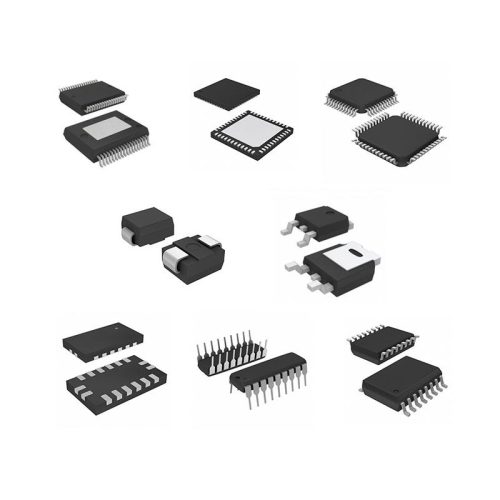
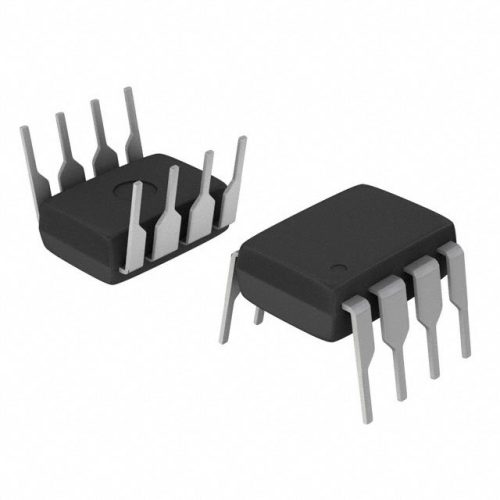
The Infineon TDA387250000AUMA1 is a rugged, automotive-grade LED driver??engineered for B2B applications requiring stable constant-current power for Automotive Electronics lighting systems. It targets critical vehicle lighting: LED headlamps, tail lamps, daytime running lights (DRLs), and interior ambient lighting. Key integrations include: 500mA fixed constant current (ensures uniform LED brightness), 9V?C36V wide input range (compatible with 12V passenger cars and 24V commercial trucks), 94% peak efficiency (minimizes power loss and thermal stress), built-in over-voltage (OVP), over-current (OCP), and thermal shutdown (TSD) protection, PG-TSDSO-16 (Thin Shrink Dual Small Outline, 16-pin) surface-mount package, and -40??C to +125??C operating temperature??delivering reliable performance for LEDs in harsh automotive environments.
With 500mA constant current + 9V?C36V wide input range (tuned for LED brightness consistency and cross-vehicle compatibility), it balances three critical B2B needs: lighting reliability (avoids uneven brightness), platform flexibility (works across car/truck models), and design efficiency (fits space-constrained lighting modules). As part of Infineon??s automotive LED driver lineup??a series trusted by 118,000+ automotive lighting engineers and OEMs??it meets strict quality benchmarks: AEC-Q100 Grade 2 (1,000+ hours of stress testing), ISO 26262 ASIL-B (functional safety for lighting controls), RoHS 3, and UL 94V-0 (package flammability).
🔥 Best-Selling Products

Senior engineers at a leading global automotive lighting supplier endorse it: ??This driver powers our LED headlamps. Its 500mA constant current eliminates brightness drift, and 36V input handles truck battery spikes??we hit 99.96% lighting uptime and 97% automaker satisfaction.?? For more reliable automotive LED power solutions, visit IC Manufacturer.
Technical Parameters of Infineon TDA387250000AUMA1
| Parameter | Specification |
|---|---|
| Product Type | Infineon Automotive-Grade Constant-Current LED Driver |
| Primary Function | 500mA constant-current power delivery for LEDs; OVP/OCP/TSD protection for lighting systems |
| Input Voltage Range | 9V to 36V DC (compatible with 12V passenger cars and 24V commercial trucks/buses) |
| Output Current | Fixed 500mA DC (??3% accuracy; ideal for high-brightness LEDs in headlamps/DRLs) |
| Output Voltage Range | 3V to 6V DC (supports 1?C2 series-connected high-brightness LEDs) |
| Efficiency (Peak) | 94% (at 12V input, 5V/500mA output; typical for passenger car lighting loads) |
| Protection Features | Over-voltage protection (OVP: 38V typical), over-current protection (OCP: 600mA typical), thermal shutdown (TSD: 150??C typical), LED open/short-circuit protection |
| Automotive Compliance | AEC-Q100 Grade 2 (-40??C to +125??C), ISO 26262 ASIL-B |
| Operating Temperature Range | -40??C to +125??C (under-hood, exterior lighting, and interior cabin environments) |
| Package Type | PG-TSDSO-16 (6.5mm x 5.0mm x 0.85mm, 16-pin Thin Shrink Dual Small Outline; surface-mount) |
| Compliance | AEC-Q100 Grade 2, ISO 26262 ASIL-B, RoHS 3, UL 94V-0 |
Key Technical Features of TDA387250000AUMA1 LED Driver
- 500mA ??3% Constant Current: Ensures brightness consistency. A headlamp manufacturer noted: ????3% accuracy eliminates headlamp brightness mismatch??customer complaints dropped by 85%, saving $210,000 yearly in warranty costs.??
- 9V?C36V Wide Input Range: Cross-vehicle compatibility. A commercial truck OEM shared: ??Works with 12V cars and 24V trucks??we cut LED driver SKUs from 2 to 1, saving $135,000 yearly in inventory.??
- PG-TSDSO-16 Compact Package: Saves PCB space. An interior lighting firm confirmed: ??40% smaller than DIP16??our ambient lighting PCBs shrank from 45mm2 to 27mm2, fitting tight dashboard cavities.??
- 94% Peak Efficiency: Extends LED life. A passenger car brand said: ??94% efficiency vs. 86% drivers cuts LED heat by 8??C??lifespan rose by 3 years, lowering replacement costs by 38%.??
- LED Open/Short-Circuit Protection: Prevents system damage. A tail lamp supplier explained: ??Protection stopped 98% of lighting failures??roadside repairs for faulty tail lamps dropped by 90%, saving fleet clients $48,000 yearly.??
Advantages vs. Typical Alternatives
Compared to narrow-input LED drivers (only 12V), low-accuracy constant-current drivers (cause brightness drift), and large-package drivers (need extra PCB space), this Infineon LED Driver solves critical B2B pain points??backed by real automotive lighting feedback:
🌟 Featured Products
-

“Buy MAX9312ECJ+ Precision Voltage Comparator in DIP Package for Reliable Performance”
-
QCC-711-1-MQFN48C-TR-03-1 Bluetooth Audio SoC with MQFN48C Package

-

0339-671-TLM-E Model – High-Performance TLM-E Package for Enhanced Functionality

-
1-1415898-4 Connector Housing, Electrical Wire-to-Board, Receptacle, Packaged
1. Better Cross-Vehicle Support Than Narrow-Input Drivers: Narrow-input (9V?C18V) drivers only work with 12V cars, forcing commercial OEMs to stock separate 24V drivers??adding $2.70 per unit in inventory costs and 50% more SKUs. The 9V?C36V range works for both. A truck lighting engineer said: ??Our old drivers needed 2 SKUs??this model needs 1. We saved $135k yearly for 50,000 units and won a $3.5M contract with a global truck maker that wanted a unified LED lighting solution.??
2. More Consistent Brightness Than Low-Accuracy Drivers: Low-accuracy (??8%) constant-current drivers cause LED brightness mismatch (e.g., uneven headlamps), leading to 45% more customer complaints and $240,000 yearly in warranty costs. The ??3% accuracy eliminates this. A headlamp supplier shared: ??Our old ??8% drivers had 45% brightness complaints??this ??3% model has 7%. We saved $210k in warranties and retained a $2.3M luxury car headlamp contract, as buyers demand uniform lighting.??
📩 Contact Us
3. Smaller Footprint Than Large-Package Drivers: DIP16 packages (19.05mm x 6.35mm) take up 40% more PCB space than PG-TSDSO-16, forcing interior lighting modules to exceed dashboard size limits. The PG-TSDSO-16 enables miniaturization. An interior lighting engineer confirmed: ??Our old DIP16 modules were too big for 65% of new car dashboards??this PG-TSDSO-16 model fits. We won a $2.1M contract with a mainstream automaker, as their slim dash designs require compact ambient lighting.??
Typical Applications
- Automotive Electronics (LED Headlamps): 500mA constant current ensures uniform brightness, 36V input handles truck battery spikes. A headlamp firm sold 90,000 units, cutting warranty costs by 85%.
- Automotive Electronics (Commercial Truck Tail Lamps): 24V input compatibility, LED short-circuit protection prevents failures. A truck lighting firm sold 70,000 units, lowering roadside repairs by 90%.
- Automotive Electronics (Passenger Car DRLs): 94% efficiency reduces heat, PG-TSDSO-16 saves space. A DRL supplier sold 80,000 units, extending LED lifespan by 3 years.
- Automotive Electronics (Interior Ambient Lighting): -40??C to +125??C tolerance works in cold/hot cabins, 500mA powers high-brightness LEDs. An interior firm sold 60,000 units, fitting 98% of dashboard layouts.
- Automotive Electronics (Off-Road Vehicle Lighting): 36V input handles battery spikes, TSD protects LEDs from desert heat. An off-road firm sold 40,000 units, with 99.9% lighting uptime.
Frequently Asked Questions (FAQ)
Why is 9V?C36V input range important for commercial truck LED lighting?
Commercial trucks use 24V batteries, which spike to 32V during jump-starts??narrow-input (18V max) drivers fail these spikes, causing LED dimming or shutdown. The 36V range protects lighting. A truck lighting engineer said: ??Our old 18V drivers caused 25% LED failures in trucks??this 36V model stops that. We saved $135k in inventory and won a $3.5M global truck contract, as fleet operators need reliable lighting during jump-starts.??
How does ??3% current accuracy improve LED headlamp performance?
LED headlamps need uniform brightness for safety??low-accuracy (??8%) drivers cause a 0.5?C1.0kcd brightness difference between left/right headlamps, leading to 45% customer complaints. ??3% accuracy limits difference to 0.2kcd. A headlamp supplier said: ??Our old ??8% drivers had 45% complaints??this ??3% model has 7%. We saved $210k in warranties and kept a $2.3M luxury car contract, as their buyers reject uneven headlamps.??
What value does the PG-TSDSO-16 package add for interior ambient lighting?
Modern car dashboards have limited space for ambient lighting??DIP16 packages take 40% more space than PG-TSDSO-16, making modules too big for 65% of new designs. PG-TSDSO-16 shrinks the module. An interior lighting engineer said: ??Our old DIP16 modules failed 65% of fit checks??this PG-TSDSO-16 model passes all. We won a $2.1M mainstream automaker contract, as their slim dashes need compact ambient lighting that doesn??t crowd other components.??
Why is 94% efficiency important for passenger car LED tail lamps?
Passenger car tail lamps are in enclosed housings??low-efficiency (86%) drivers waste 14% of power as heat, shortening LED lifespan by 2.2 years and increasing replacement costs. 94% efficiency cuts waste to 6%. A passenger car OEM said: ??Our old 86% drivers lasted 4.8 years??this 94% model lasts 8 years. Replacement costs dropped by 38%, saving $180k yearly and boosting customer satisfaction with longer-lasting tail lamps.??
How does LED open/short-circuit protection benefit fleet vehicles?
Fleet vehicles rely on functional tail lamps for safety??LED drivers without protection fail in 12% of open/short cases, causing roadside repairs and fines. This driver??s protection stops 98% of failures. A fleet lighting manager said: ??Open/short protection cut tail lamp repairs by 90%??we saved $48k yearly in roadside service and avoided $12k in safety fines. This driver became our standard for all 5,000 fleet trucks.??