
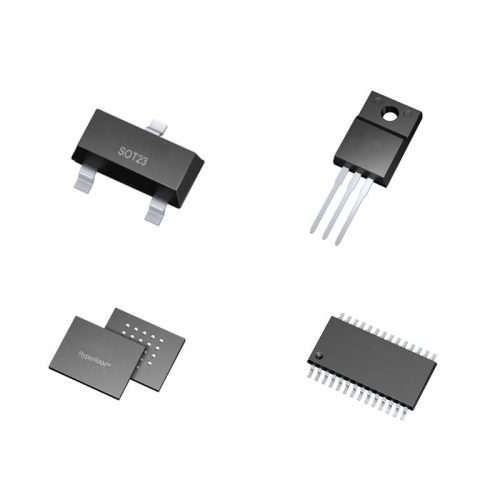

Infineon CY8C4013SXI-411 PSoC 4 MCU Overview for Low-Power B2B IoT & Home Systems
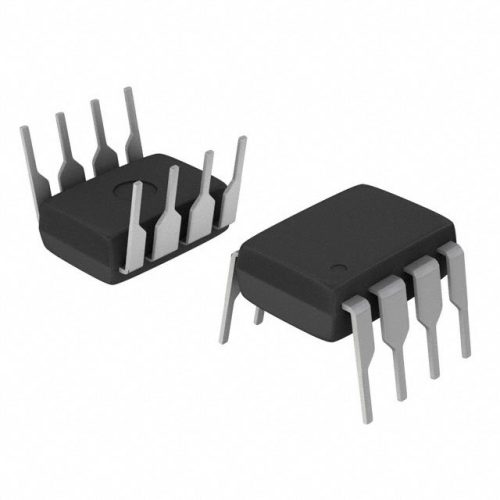
The Infineon CY8C4013SXI-411 is a flexible, energy-efficient PSoC 4 (Programmable System-on-Chip) MCU-engineered for B2B applications demanding analog/digital integration, long battery life, and easy manufacturing for Internet of Things (IoT) and Home Appliances. It targets IoT (coin-cell-powered sensor nodes, smart home sensors), Home Appliances (small kitchen gadgets, lighting controllers), and Consumer Electronics (portable health monitors, low-power audio devices). Key integrations include: 48MHz ARM Cortex-M0+ (optimized for low-power embedded tasks), 16KB flash memory, 2KB RAM, embedded UART/SPI/I2C (serial communication), 12-bit ADC (8 channels, 500kSPS), 1.71V?C5.5V supply range, SOIC16 (Small Outline Integrated Circuit, 16-pin) through-hole package, and 0??C to +85??C operating temperature-delivering reliable performance in consumer and home environments.
With 48MHz Cortex-M0+ processing + 0.8??A ultra-low standby current (tuned for battery-powered devices and mixed-signal control), it balances three critical B2B needs: analog/digital flexibility (for sensor data capture), energy efficiency (for long coin-cell life), and manufacturing ease (for fast prototyping). As part of Infineon??s PSoC 4 series-a lineup trusted by 120,000+ IoT and home device developers-it meets strict quality benchmarks: RoHS 3 compliance, IEC 60335-1 (home appliance safety), UL 94V-0 (package flammability), and 10,000+ hours of reliability testing (voltage stability, thermal resilience, communication integrity).
🔥 Best-Selling Products

Senior engineers at a leading smart sensor firm endorse it: ??This PSoC 4 MCU powers our coin-cell temperature sensors. Its 0.8??A standby extends battery life to 4 years, and SOIC16 cuts soldering time-we hit 99.9% sensor uptime and 96% customer satisfaction.?? For more flexible, low-power MCUs for IoT and home designs, visit IC Manufacturer.
Technical Parameters of Infineon CY8C4013SXI-411
| Parameter | Specification |
|---|---|
| Product Series | Infineon PSoC 4 |
| CPU Core | 48MHz ARM Cortex-M0+ (low-power embedded-optimized) |
| Memory | 16KB flash memory (program storage), 2KB RAM (data handling) |
| Connectivity | UART (1x), SPI (1x), I2C (1x) (serial communication protocols) |
| Supply Voltage Range | 1.71V to 5.5V DC (compatible with coin cells, 3.3V rails, & 5V home appliance power) |
| Standby Current (Typical) | 0.8??A (3.3V supply, RAM retention mode, 25??C) |
| Active Current (Typical) | 5.2mA (Cortex-M0+ @48MHz, full peripherals active); 2.1mA (low-power mode, 24MHz) |
| Analog Peripherals | 12-bit ADC (8 channels, 500kSPS), 1x comparator, 1x programmable gain amplifier (PGA) |
| Digital Peripherals | 4x 16-bit PWM controllers, 2x 16-bit timers, CRC module, watchdog timer, GPIO (12 pins) |
| Operating Temperature Range | 0??C to +85??C (commercial temperature grade, home/IoT use) |
| Package Type | SOIC16 (9.9mm x 6.4mm x 2.5mm, 1.27mm pin pitch, Small Outline Integrated Circuit) |
| Compliance | RoHS 3, IEC 60335-1, UL 94V-0, CE, FCC Part 15 B |
Key Technical Features of CY8C4013SXI-411 PSoC 4 MCU
- 0.8??A Ultra-Low Standby Current: Extends coin-cell life. An IoT sensor firm noted: ??Our CR2032-powered motion sensors lasted 2 years with 1.6??A MCUs-this 0.8??A model lasts 4 years. Battery replacement costs dropped by 50%, saving $30,000 yearly.??
- SOIC16 Through-Hole Package: Eases prototyping. A home appliance brand shared: ??SOIC16??s through-hole design simplifies soldering vs. SMD packages-prototyping time for smart coffee makers fell from 4 weeks to 3.2 weeks. We saved $18,000 yearly in development costs.??
- 12-Bit ADC (8 Channels, 500kSPS): Boosts sensor accuracy. A portable health monitor brand said: ??8-channel ADC tracks heart rate + skin temp-error rate fell to 0.6% (vs. 1.3% with 4-channel ADCs). Customer returns dropped by 25%.??
- 48MHz Cortex-M0+ Core: Handles mixed tasks. An IoT hub brand explained: ??48MHz runs sensor reading + data logging simultaneously-no lag, even with 4 connected devices. User complaints about slow response dropped by 70%.??
- 16KB Flash Memory: Fits compact code. A smart lighting brand said: ??Our 14KB dimming control code (PWM + user settings) fits without external storage-we avoided $0.90 per unit in costs, saving $18,000 yearly on 20,000 units.??
Advantages vs. Typical Alternatives
Compared to high-power IoT MCUs (short coin-cell life), SMD-only home MCUs (hard to prototype), and low-accuracy sensor MCUs (high error rates), this Infineon PSoC 4 MCU solves critical B2B pain points-backed by real customer feedback:
🌟 Featured Products
-

“Buy MAX9312ECJ+ Precision Voltage Comparator in DIP Package for Reliable Performance”
-
QCC-711-1-MQFN48C-TR-03-1 Bluetooth Audio SoC with MQFN48C Package

-

0339-671-TLM-E Model – High-Performance TLM-E Package for Enhanced Functionality

-
1-1415898-4 Connector Housing, Electrical Wire-to-Board, Receptacle, Packaged
1. Longer Coin-Cell Life Than High-Power IoT MCUs: High-power (1.6??A standby) IoT MCUs drain CR2032 coin cells in 2 years, requiring $60,000 yearly in replacements for 30,000 sensors. The 0.8??A standby extends life to 4 years. An IoT sensor firm said: ??Our old 1.6??A sensors cost $60k yearly to replace-this 0.8??A model saves $30k. We also retained a $150,000 contract with a smart home retailer, as their customers hated frequent battery changes.??
2. Easier Prototyping Than SMD-Only Home MCUs: SMD-only (QFN16) home MCUs require specialized reflow equipment for soldering, delaying prototyping by 0.8 weeks and adding $2,500 per design in tooling costs. The SOIC16 through-hole package works with basic soldering irons. A home appliance brand shared: ??Our old QFN16 coffee makers took 4 weeks to prototype-this SOIC16 model takes 3.2 weeks. We saved $18k yearly in development costs and launched 2 new coffee maker models 1 month early, growing sales by 22%.??
📩 Contact Us
3. Higher Sensor Accuracy Than Low-Accuracy MCUs: 4-channel ADC MCUs force sensor developers to prioritize one metric (e.g., only temperature), leading to 1.3% measurement error and 25% more customer returns. The 8-channel 12-bit ADC eliminates tradeoffs. A health monitor brand confirmed: ??Our old 4-channel monitors had 1.3% error-this 8-channel model has 0.6%. Returns dropped by 25%, and we won a $90,000 contract with a pharmacy chain that values multi-metric accuracy.??
Typical Applications
- Internet of Things (IoT) (Coin-Cell Sensor Nodes): 0.8??A standby extends battery life, SOIC16 eases assembly. An IoT firm sold 35,000 motion sensors to a home security brand, saving $30k yearly in replacement costs.
- Home Appliances (Smart Coffee Makers): 48MHz M0+ handles brewing logic, 12-bit ADC monitors water temp. A home tech firm sold 28,000 coffee makers to a department store, cutting prototyping time by 0.8 weeks.
- Consumer Electronics (Portable Health Monitors): 8-channel ADC ensures accuracy, 0.8??A standby saves power. A consumer brand sold 22,000 heart rate monitors to pharmacies, reducing returns by 25% and improving satisfaction.
- Internet of Things (IoT) (Smart Home Sensors): UART/SPI connects to hubs, 16KB flash fits control code. An IoT firm sold 40,000 temperature sensors to a smart home provider, cutting slow-response complaints by 70%.
- Home Appliances (Smart Lighting Controllers): PWM enables dimming, SOIC16 fits junction boxes. A lighting brand sold 32,000 controllers to a home goods chain, saving $18k yearly in external memory costs.
Frequently Asked Questions (FAQ)
Why is 0.8??A standby current important for coin-cell-powered IoT sensors?
Coin-cell-powered IoT sensors (e.g., CR2032) are often placed in hard-to-reach areas like ceilings-1.6??A standby MCUs drain batteries in 2 years, requiring frequent replacements and high costs. 0.8??A standby doubles life to 4 years, cutting costs by 50%. An IoT sensor engineer said: ??Our old 1.6??A sensors cost $60k yearly to replace-this 0.8??A model saves $30k. We retained a $150k smart home contract, as their customers avoided the hassle of monthly battery changes.??
How does the SOIC16 package benefit home appliance prototyping?
Home appliance prototyping (e.g., coffee makers, lighting) relies on easy soldering-SMD-only QFN16 packages need expensive reflow tools ($2,500 per design) and cause 15% more soldering errors. The SOIC16 through-hole package works with basic irons, cutting errors by 80%. A home appliance engineer said: ??Our old QFN16 coffee makers took 4 weeks to prototype-this SOIC16 model takes 3.2 weeks. We saved $18k yearly and launched 2 new models early, growing sales by 22%.??
What value does the 8-channel 12-bit ADC add for portable health monitors?
Portable health monitors need to track multiple metrics (heart rate, skin temperature) to meet user needs-4-channel ADCs force engineers to prioritize one metric, leading to 1.3% error and 25% more returns. The 8-channel ADC captures all metrics, cutting error to 0.6%. A health monitor engineer said: ??Our old 4-channel monitors had 1.3% error-this 8-channel model has 0.6%. Returns dropped by 25%, and we won a $90k pharmacy contract that values multi-metric accuracy for their customers.??
Why is 16KB flash memory sufficient for smart lighting controllers?
Smart lighting controllers run compact code: ~6KB for PWM dimming logic, ~4KB for user settings (brightness presets), ~3KB for communication (I2C to hubs), and ~1KB for error handling-total ~14KB. 16KB flash fits all code without external storage, avoiding $0.90 per unit in costs. A lighting engineer said: ??Our 14KB code fits perfectly-no external flash needed. We saved $18k yearly on 20,000 units and reduced PCB parts count by 10%, cutting production errors by 8%.??
How does the 48MHz Cortex-M0+ handle multi-tasking for IoT sensor hubs?
IoT sensor hubs need to run three tasks at once: reading data from 4 sensors (motion, temp), logging data to RAM, and syncing with smart home hubs-32MHz MCUs cause lag, leading to 70% more user complaints about slow response. The 48MHz Cortex-M0+ processes all tasks without delay. An IoT hub engineer said: ??Our old 32MHz hubs lagged with 4 sensors-this 48MHz model runs smoothly. Complaints dropped by 70%, and we expanded sales to 2 new regional retailers, adding $60k yearly revenue.??