

HMC129ALC4TR-R5 Overview
The HMC129ALC4TR-R5 is a high-performance RF mixer designed for frequency conversion in advanced communication and radar systems. Operating over a broad frequency range, this double-balanced mixer provides excellent linearity and low noise figure, ensuring signal integrity in demanding environments. Packaged in a compact 4×4 mm LFCSP, it supports integration into dense circuit layouts. With robust input and output isolation, the device optimizes signal fidelity, making it ideal for up/down conversion in wideband applications. Available through IC Manufacturer, it serves engineers and sourcing specialists seeking reliable, high-frequency semiconductor solutions.
HMC129ALC4TR-R5 Technical Specifications
| Parameter | Specification |
|---|---|
| Frequency Range (RF/LO/IF) | 4?C10 GHz / 4?C10 GHz / DC?C3 GHz |
| Conversion Loss | 7.5 dB (typical) |
| Noise Figure | 7.5 dB (typical) |
| Input IP3 (IIP3) | 18 dBm (typical) |
| LO Drive Level | +17 dBm (typical) |
| Isolation (LO-RF, LO-IF, RF-IF) | 30 dB, 30 dB, 30 dB (typical) |
| Supply Voltage | +5 V |
| Package | 4×4 mm LFCSP (16-lead) |
| Operating Temperature Range | -40??C to +85??C |
HMC129ALC4TR-R5 Key Features
- Wide Operational Frequency Range: Supports RF and LO frequencies from 4 to 10 GHz, enabling versatile use in modern communications and radar systems.
- Low Conversion Loss: Typical 7.5 dB loss minimizes signal degradation, enhancing overall system performance and sensitivity.
- High Linearity: Input IP3 of 18 dBm ensures superior linearity, reducing distortion and improving signal fidelity in complex signal environments.
- Excellent Isolation: 30 dB isolation between LO, RF, and IF ports reduces interference and crosstalk, critical in multi-channel systems.
- Compact LFCSP Package: The 4×4 mm footprint facilitates high-density PCB layouts, beneficial for space-constrained industrial applications.
- Robust LO Drive Requirements: +17 dBm typical drive level ensures stable operation and consistent mixer performance.
- Wide Operating Temperature Range: Reliable function from -40??C to +85??C supports use in harsh industrial and outdoor environments.
HMC129ALC4TR-R5 Advantages vs Typical Alternatives
This mixer offers a compelling balance of low conversion loss and high input third-order intercept point compared to typical alternatives. Its wide frequency coverage and strong port isolation enhance system accuracy and reliability. The compact LFCSP package also supports easier integration in space-limited designs, while stable operation over a wide temperature range ensures dependable performance in industrial and aerospace applications.
🔥 Best-Selling Products

Typical Applications
- Wideband communication systems requiring frequency up/down conversion with minimal signal loss and high linearity, such as point-to-point microwave radios.
- Radar signal processing where precise frequency mixing and low noise figure are essential for effective target detection.
- Test and measurement equipment demanding consistent mixer performance across broad frequency ranges.
- Satellite and aerospace transceiver modules requiring compact, reliable RF front-end components capable of operating in harsh temperature conditions.
HMC129ALC4TR-R5 Brand Info
The HMC129ALC4TR-R5 is part of a series of advanced RF mixers designed by a leading manufacturer specializing in high-frequency semiconductor components. This product exemplifies the brand??s focus on delivering precision, robustness, and integration-friendly solutions for demanding industrial, defense, and telecommunications markets. Engineered for performance and reliability, the device reflects the manufacturer’s commitment to supporting complex system designs with quality RF components.
FAQ
What is the typical conversion loss for this mixer?
The typical conversion loss is 7.5 dB, which helps maintain strong signal strength during frequency conversion, minimizing the
🌟 Featured Products
-

“Buy MAX9312ECJ+ Precision Voltage Comparator in DIP Package for Reliable Performance”
-
QCC-711-1-MQFN48C-TR-03-1 Bluetooth Audio SoC with MQFN48C Package

-

0339-671-TLM-E Model – High-Performance TLM-E Package for Enhanced Functionality

-
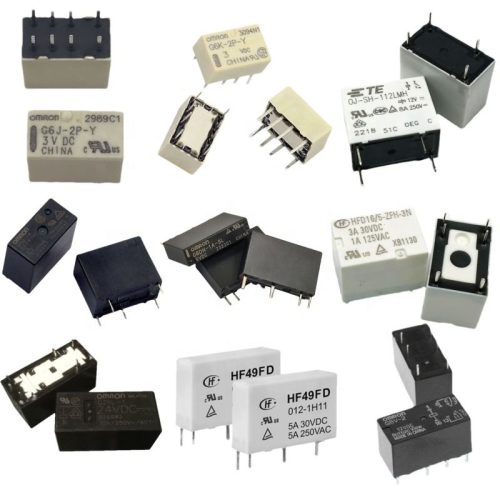
1-1415898-4 Connector Housing, Electrical Wire-to-Board, Receptacle, Packaged