
CAT24C16C4ATR Overview
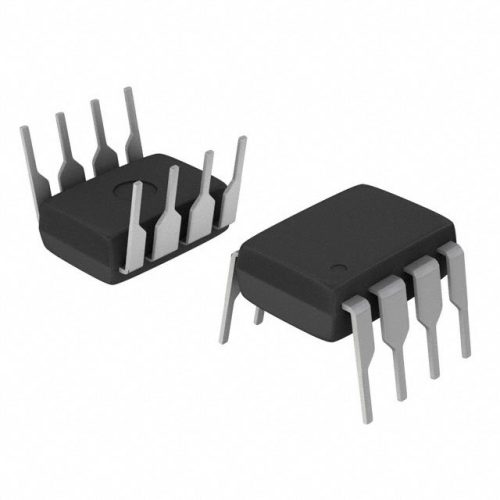
The CAT24C16C4ATR is a high-performance EEPROM device designed for applications requiring reliable data storage and retrieval. With a memory capacity of 16 Kbits, it supports a variety of communication interfaces, making it an ideal choice for embedded systems. Its low power consumption and robust architecture ensure durability and efficiency in demanding environments. For engineers and sourcing specialists, this device represents a dependable solution for data management needs across multiple sectors. Learn more at IC Manufacturer.
CAT24C16C4ATR Key Features
- 16 Kbit EEPROM: Offers ample storage for critical data, ensuring projects have enough memory for effective operation.
- Low Power Consumption: Reduces energy usage, which is essential for battery-operated devices and enhances overall system efficiency.
- Wide Operating Voltage Range: Supports various voltage levels, providing flexibility in design and integration with different systems.
- High Endurance: Guarantees long-term reliability with a high number of write/erase cycles, making it suitable for frequent data updates.
CAT24C16C4ATR Technical Specifications
| Parameter | Value |
|---|---|
| Memory Capacity | 16 Kbit |
| Interface Type | I2C |
| Voltage Range | 1.7V to 5.5V |
| Operating Temperature | -40??C to +85??C |
| Write Cycle Time | 5 ms (max) |
| Endurance | 1,000,000 write/erase cycles |
| Data Retention | 100 years |
| Package Type | SOIC-8 |
CAT24C16C4ATR Advantages vs Typical Alternatives
This device stands out due to its low power consumption and high endurance compared to typical EEPROM alternatives. Its ability to operate over a wide voltage range enhances integration into diverse applications, making it a reliable choice for engineers seeking efficiency and durability.
🔥 Best-Selling Products

Typical Applications
- Consumer Electronics: Ideal for storing configuration settings and calibration data in devices such as smartphones and tablets, ensuring quick access and updates.
- Industrial Automation: Used in control systems to retain critical operational parameters, enhancing system reliability.
- Automotive Systems: Suitable for storing data in automotive electronics, where durability and data retention are crucial.
- Smart Home Devices: Employed in smart appliances to manage user settings and preferences, contributing to enhanced user experience.
CAT24C16C4ATR Brand Info
The CAT24C16C4ATR is manufactured by Catalyst Semiconductor, a recognized leader in the development of innovative semiconductor solutions. Catalyst Semiconductor focuses on providing high-quality, reliable products that meet the growing demands of modern electronics. Their commitment to excellence makes them a trusted partner for engineers and designers in various industries.
FAQ
What is the memory capacity of the CAT24C16C4ATR?
The CAT24C16C4ATR has a memory capacity of 16 Kbits, which is suitable for various applications requiring reliable data storage.
🌟 Featured Products
-

“Buy MAX9312ECJ+ Precision Voltage Comparator in DIP Package for Reliable Performance”
-
QCC-711-1-MQFN48C-TR-03-1 Bluetooth Audio SoC with MQFN48C Package

-

0339-671-TLM-E Model – High-Performance TLM-E Package for Enhanced Functionality

-
1-1415898-4 Connector Housing, Electrical Wire-to-Board, Receptacle, Packaged
What type of interface does the CAT24C16C4ATR use?
This EEPROM device utilizes an I2C interface, allowing for easy integration with microcontrollers and other digital devices.
What is the operating voltage range for this device?
The operating voltage range for the CAT24C16C4ATR is from 1.7V to 5.5V, providing flexibility for different application requirements.
📩 Contact Us
How many write/erase cycles can the CAT24C16C4ATR endure?
This device is designed to withstand up to 1,000,000 write/erase cycles, ensuring long-term reliability in data-intensive applications.
What is the data retention period for the CAT24C16C4ATR?
The CAT24C16C4ATR offers a data retention period of up to 100 years, making it a dependable choice for applications requiring long-term data storage.
