

BCR573E6433HTMA1 Overview
The BCR573E6433HTMA1 is a high-performance, surface-mount bipolar junction transistor (BJT) designed for switching and amplification in industrial and consumer electronics. Featuring a robust construction and optimized electrical characteristics, this device supports medium power applications with reliable gain and low saturation voltage. Its compact SOT-23 package offers space-saving benefits for densely populated printed circuit boards. Engineers and sourcing specialists will appreciate its stable operation over a wide temperature range and compatibility with automated assembly processes. For detailed technical data and sourcing information, visit IC Manufacturer.
BCR573E6433HTMA1 Technical Specifications
| Parameter | Value | Unit |
|---|---|---|
| Transistor Type | NPN Bipolar Junction | |
| Collector-Emitter Voltage (VCEO) | 40 | V |
| Collector Current (IC) | 150 | mA |
| Gain Bandwidth Product (fT) | 100 | MHz |
| DC Current Gain (hFE) | 100 to 300 | |
| Collector-Emitter Saturation Voltage (VCE(sat)) | 0.25 | V @ IC=50mA |
| Power Dissipation (Ptot) | 300 | mW |
| Operating Temperature Range | -55 to +150 | ??C |
| Package Type | SOT-23 |
BCR573E6433HTMA1 Key Features
- High current gain: Ensures efficient amplification with low input current, reducing overall system power consumption.
- Low saturation voltage: Minimizes power loss during switching, enhancing energy efficiency and thermal performance.
- Compact SOT-23 package: Enables space-saving PCB layouts while maintaining good thermal dissipation for reliable operation.
- Wide operating temperature range: Supports robust performance in harsh industrial environments and extended temperature applications.
Typical Applications
- Signal amplification and switching in portable and battery-operated devices where low power loss and compact size are critical.
- General-purpose low to medium power switching in industrial control circuits and automation systems.
- Output stage driver for relay and LED indicators requiring stable gain and fast switching speeds.
- Embedded systems and IoT devices where space constraints and energy efficiency are key design considerations.
BCR573E6433HTMA1 Advantages vs Typical Alternatives
This transistor offers superior gain and lower saturation voltage compared to typical small-signal BJTs, resulting in improved switching efficiency and reduced heat generation. Its industry-standard SOT-23 package ensures easy integration into automated assembly lines and compact circuit designs. With a wide temperature rating and dependable electrical performance, it outperforms many alternatives in reliability and versatility for industrial and consumer electronics applications.
🔥 Best-Selling Products

BCR573E6433HTMA1 Brand Info
The BCR573E6433HTMA1 is manufactured by ON Semiconductor, a global leader in semiconductor solutions. ON Semiconductor is renowned for delivering innovative power management and signal processing components designed for efficiency and reliability. This transistor aligns with the company??s commitment to high-quality discrete components widely used in industrial, automotive, and consumer electronics sectors. The device benefits from ON Semiconductor??s rigorous quality control and extensive application support.
FAQ
What is the maximum collector current rating for this transistor?
The maximum collector current for this device is 150 mA. This rating ensures reliable operation under typical medium power switching and amplification scenarios without exceeding thermal limits.
🌟 Featured Products
-

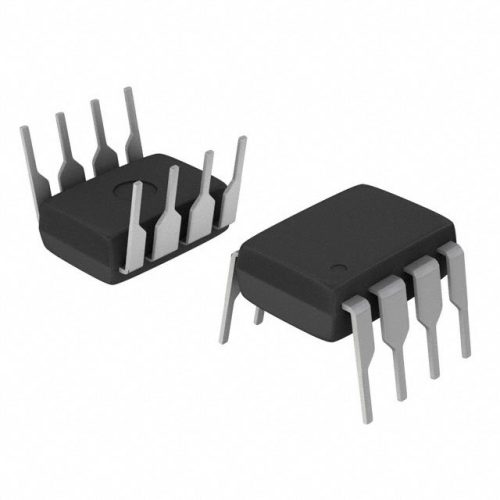
“Buy MAX9312ECJ+ Precision Voltage Comparator in DIP Package for Reliable Performance”
-
QCC-711-1-MQFN48C-TR-03-1 Bluetooth Audio SoC with MQFN48C Package

-

0339-671-TLM-E Model – High-Performance TLM-E Package for Enhanced Functionality

-
1-1415898-4 Connector Housing, Electrical Wire-to-Board, Receptacle, Packaged
What package type does this transistor use and why is it important?
This transistor is housed in the SOT-23 package, a widely used surface-mount format that allows for compact PCB design and compatibility with automated assembly processes, improving manufacturing efficiency and reducing board space.
What is the significance of the low collector-emitter saturation voltage?
A low saturation voltage reduces power dissipation when
