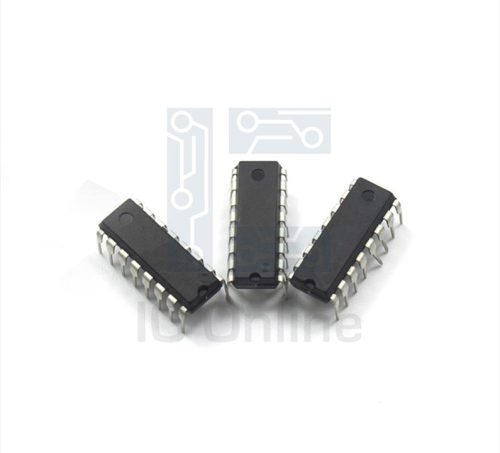
BAT62E6327HTSA1 Overview
The BAT62E6327HTSA1 is a high-performance Schottky diode optimized for fast switching and low forward voltage drop, making it an ideal choice for industrial, automotive, and communications applications. Designed in a compact SOD-323 package, this device supports efficient circuit protection and signal rectification with minimal space requirements. Its configuration and electrical characteristics enable robust operation in demanding environments, ensuring reliable performance in power management and RF circuits. For engineers requiring a blend of efficiency and durability, the BAT62E6327HTSA1 delivers dependable results across a wide range of electronic designs. Learn more at IC Manufacturer.
BAT62E6327HTSA1 Technical Specifications
| Parameter | Value |
|---|---|
| Device Type | Schottky Diode |
| Package / Case | SOD-323 |
| Configuration | Single |
| Polarity | Standard |
| Reverse Voltage (VR) | 30 V |
| Forward Current (IF) | 2 mA |
| Forward Voltage (VF) Max | 0.41 V @ 2 mA |
| Reverse Current (IR) Max | 0.5 ??A @ 25 V |
| Operating Temperature Range | -65??C to +125??C |
| Mounting Type | Surface Mount |
BAT62E6327HTSA1 Key Features
- Ultra-low forward voltage drop ensures higher efficiency and reduced power loss, making it suitable for low-voltage applications where energy conservation is essential.
- Fast switching capability allows for improved performance in high-frequency circuits, supporting applications such as RF detection and high-speed signal rectification.
- Low leakage current enhances reliability in sensitive analog and digital circuits, minimizing unwanted current paths and improving overall system stability.
- Compact SOD-323 package supports high-density PCB layouts, enabling designers to save valuable board space without sacrificing electrical performance.
BAT62E6327HTSA1 Advantages vs Typical Alternatives
When compared to conventional silicon switching diodes or other Schottky devices, this component stands out due to its notably low forward voltage drop and minimal leakage current. Its fast switching response is particularly advantageous in high-frequency applications, providing greater accuracy and efficiency. The compact SOD-323 footprint also enables higher integration in densely populated circuit boards, ultimately enhancing design flexibility and product reliability for engineers and sourcing professionals.
🔥 Best-Selling Products

Typical Applications
- High-frequency signal detection and rectification: The BAT62E6327HTSA1 is utilized in RF and microwave circuits for detecting, mixing, and rectifying signals with high speed and low loss, ensuring precise signal processing and efficient energy transfer.
- Switching power supplies: Serves as an efficient rectifier in compact switch-mode power supplies, improving conversion efficiency and reducing thermal management requirements.
- Voltage clamping and protection circuits: Protects sensitive electronic components from voltage transients by providing fast response and stable clamping performance.
- General-purpose low-voltage rectification: Suitable for battery-powered equipment and portable devices where low forward voltage and space-saving design are critical.
BAT62E6327HTSA1 Brand Info
The BAT62E6327HTSA1 is manufactured by a leading global semiconductor supplier renowned for quality, innovation, and reliability in discrete components. This product exemplifies the brand??s commitment to supporting the needs of industrial, automotive, and communication sectors by offering robust, space-efficient solutions for modern electronic systems. The device??s specific design in a surface-mount SOD-323 package aligns with current trends in miniaturization and high-density integration, making it a preferred choice for engineers and sourcing specialists worldwide seeking proven performance and long-term availability.
FAQ
What makes the BAT62E6327HTSA1 suitable for high-frequency applications?
Its Schottky construction enables fast switching and low junction capacitance, making it particularly effective for RF and high-speed digital circuits where rapid response and minimal signal loss are critical. This ensures precise signal detection and improved circuit performance.
🌟 Featured Products
-

“Buy MAX9312ECJ+ Precision Voltage Comparator in DIP Package for Reliable Performance”
-
QCC-711-1-MQFN48C-TR-03-1 Bluetooth Audio SoC with MQFN48C Package

-

0339-671-TLM-E Model – High-Performance TLM-E Package for Enhanced Functionality

-
1-1415898-4 Connector Housing, Electrical Wire-to-Board, Receptacle, Packaged
How does the low forward voltage drop benefit power-sensitive designs?
The ultra-low forward voltage reduces overall power consumption and minimizes heat generation, which is essential for battery-operated or energy-efficient applications. This translates into longer operational life and improved system reliability in low-voltage environments.
Can this device be used in automotive or industrial environments?
Yes, the wide operating temperature range and robust package design make the BAT62E6327HTSA1 well-suited for demanding automotive and industrial conditions, where reliability and consistent performance are required even under extreme temperatures.
📩 Contact Us
What is the significance of the SOD-323 package for PCB design?
The compact SOD-323 surface-mount package enables designers to implement high component density on PCBs, saving valuable board space and supporting the trend toward miniaturized electronic systems without compromising electrical characteristics.
What types of protection can be achieved with this Schottky diode?
It is commonly used for voltage clamping, reverse polarity protection, and signal line protection in sensitive circuits. Its fast response and low leakage current help safeguard components from transient voltages and unintended current flow.