

ATWINC3400A-MU-T042 Overview
The ATWINC3400A-MU-T042 is a highly integrated Wi-Fi module designed to deliver robust 2.4 GHz wireless connectivity for embedded applications. It features a single-core architecture with a dedicated network processor, enabling efficient offloading of wireless tasks and reducing host MCU load. The module supports IEEE 802.11 b/g/n standards, ensuring reliable throughput and strong security with WPA/WPA2 encryption. Its compact form factor, combined with low power consumption and comprehensive protocol support, makes it ideal for Internet of Things (IoT) devices, industrial automation, and consumer electronics. For detailed technical information and purchasing options, visit IC Manufacturer.
ATWINC3400A-MU-T042 Technical Specifications
| Parameter | Specification |
|---|---|
| Wireless Standard | IEEE 802.11 b/g/n (2.4 GHz) |
| Operating Frequency | 2.4 GHz ISM Band |
| Host Interface | SPI (Serial Peripheral Interface) |
| Security Protocols | WPA/WPA2 Personal and Enterprise |
| Transmit Power | Up to +18 dBm |
| Receiver Sensitivity | -92 dBm (typical for 802.11n) |
| Operating Voltage | 3.3 V ??5% |
| Power Consumption | Typical TX: 190 mA, RX: 65 mA, Sleep: <1 mA |
| Dimensions | 14 mm ?? 14 mm ?? 2.5 mm |
| Temperature Range | -40??C to +85??C |
ATWINC3400A-MU-T042 Key Features
- Dedicated Network Processor: Offloads Wi-Fi protocol stack processing from the host MCU, enhancing system efficiency and reducing development complexity.
- Comprehensive Security Support: Implements WPA/WPA2 Personal and Enterprise, ensuring secure wireless communication critical for industrial and IoT applications.
- Low Power Operation: Offers efficient power modes including deep sleep, extending battery life in portable and remote devices.
- SPI Host Interface: Provides a high-speed serial interface compatible with numerous microcontrollers, facilitating easy integration and fast data exchange.
- Compact Module Size: Enables space-constrained applications to incorporate Wi-Fi connectivity without compromising device form factor.
- Wide Temperature Range: Supports industrial-grade operation from -40??C to +85??C, ensuring reliability in harsh environments.
- Robust RF Performance: Delivers high sensitivity and strong transmit power to maintain stable wireless links across challenging environments.
ATWINC3400A-MU-T042 Advantages vs Typical Alternatives
This module distinguishes itself through its dedicated network processor, which reduces host MCU overhead compared to typical Wi-Fi solutions that require more external processing. Its robust security protocols and low power consumption make it ideal for secure and energy-efficient wireless connectivity. The compact footprint and industrial temperature rating further enhance its suitability over alternatives, ensuring reliable operation in demanding industrial and IoT settings.
🔥 Best-Selling Products

Typical Applications
- Embedded IoT devices requiring secure and reliable 2.4 GHz Wi-Fi connectivity with low power consumption, such as smart sensors and home automation nodes.
- Industrial automation systems that benefit from robust wireless communication and wide operating temperature ranges.
- Consumer electronics needing easy integration of Wi-Fi features through SPI interface without increasing host processor load.
- Medical devices where compact size and secure wireless data transmission are critical.
ATWINC3400A-MU-T042 Brand Info
The ATWINC3400A-MU-T042 is part of a line of Wi-Fi modules developed to provide robust wireless connectivity solutions for embedded systems. This product integrates advanced wireless communication technology in a compact form factor, backed by comprehensive security features and efficient power management. It is designed to simplify wireless integration for engineers and developers working in industrial, commercial, and consumer markets. The module??s reliability and performance reflect the brand??s commitment to delivering high-quality semiconductor solutions tailored for the Internet of Things and other connected device applications.
FAQ
What wireless standards does this module support?
The device supports IEEE 802.11 b/g/n standards operating in the 2.4 GHz ISM band, enabling compatibility with a wide range of existing Wi-Fi networks and ensuring reliable wireless communication for embedded applications.
🌟 Featured Products
-

“Buy MAX9312ECJ+ Precision Voltage Comparator in DIP Package for Reliable Performance”
-
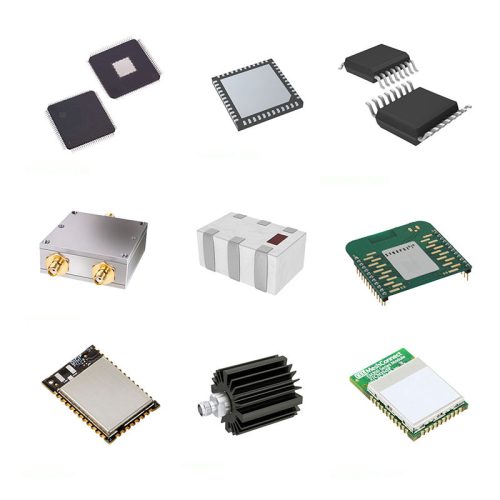
QCC-711-1-MQFN48C-TR-03-1 Bluetooth Audio SoC with MQFN48C Package

-

0339-671-TLM-E Model – High-Performance TLM-E Package for Enhanced Functionality

-
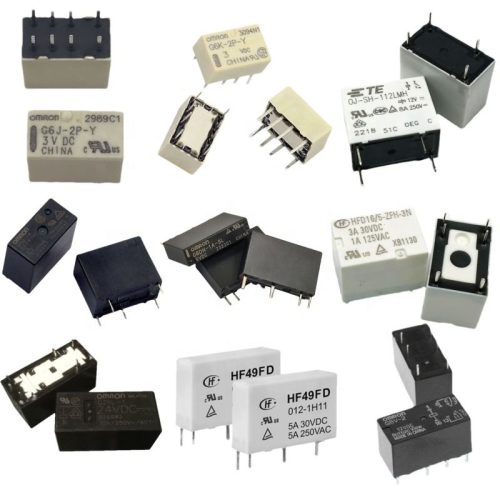
1-1415898-4 Connector Housing, Electrical Wire-to-Board, Receptacle, Packaged
How does the module interface with the host microcontroller?
It uses a Serial Peripheral Interface (SPI), which offers a high-speed, full-duplex communication channel between the module and the host MCU. This interface simplifies integration and delivers efficient data transfer for wireless connectivity tasks.
What security features are implemented in this Wi-Fi module?
The module supports WPA and WPA2 security protocols in both Personal and Enterprise modes. This ensures encrypted communication and protection against unauthorized access, which is essential for industrial and IoT deployments.
📩 Contact Us
What are the power consumption characteristics of the module?
Typical power consumption is approximately 190 mA during transmission and 65 mA during reception, with sleep modes reducing current to less than 1 mA. These low power modes help extend battery life in portable and remote devices.
In what temperature range can this module reliably operate?
The module is rated for industrial temperature ranges, operating reliably between -40??C and +85??C. This makes it suitable for harsh environments and applications requiring consistent performance across wide temperature variations.

