

ATA5795-PNQW Overview
The ATA5795-PNQW is a high-performance automotive transponder IC designed for secure vehicle immobilizer systems and keyless entry applications. It integrates advanced cryptographic algorithms with a robust 125 kHz RF interface, enabling reliable identification and authentication in harsh automotive environments. This device offers low power consumption and superior anti-collision capabilities, ensuring fast and accurate communication with vehicle transceivers. With flexible memory options and enhanced security features, the ATA5795-PNQW is ideal for next-generation immobilizer designs requiring both robustness and scalability. For detailed technical information and sourcing, visit IC Manufacturer.
ATA5795-PNQW Technical Specifications
| Parameter | Value |
|---|---|
| Operating Frequency | 125 kHz (LF) |
| Memory Type | EEPROM, 256 bits user memory |
| Communication Protocol | ISO 11784/11785 compliant |
| Supply Voltage | 2.5 V to 5.5 V |
| Operating Temperature Range | -40??C to +125??C |
| Security Features | 128-bit AES encryption, challenge-response authentication |
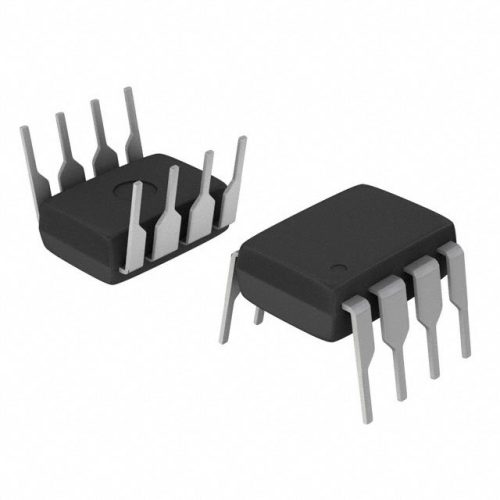
| Package Type | SO8 |
| Power Consumption | Typical 7 mA active current |
| Anti-collision Support | Yes, multi-tag identification |
ATA5795-PNQW Key Features
- Advanced Cryptographic Security: Incorporates 128-bit AES encryption and secure challenge-response to prevent unauthorized vehicle access, enhancing anti-theft protection.
- Robust 125 kHz LF Interface: Ensures reliable communication even in the presence of metal or electromagnetic interference common in automotive environments.
- Low Power Operation: Designed for minimal power consumption, extending battery life in key fobs and reducing system energy demands.
- ISO Compliance: Fully compliant with ISO 11784/11785 standards for animal identification, enabling versatile use in identification and access control solutions.
- EEPROM Memory: Provides 256 bits of user-programmable memory for storing unique identifiers and security keys, supporting flexible system configurations.
- Wide Operating Temperature Range: Supports automotive standard temperatures from -40??C to +125??C, ensuring reliability in extreme conditions.
ATA5795-PNQW Advantages vs Typical Alternatives
This device offers superior integration of security and communication features compared to typical automotive transponders. Its 128-bit AES encryption provides enhanced protection against cloning and hacking attempts. The low-frequency 125 kHz interface ensures dependable read ranges and performance in metal-rich environments where higher frequencies may struggle. Additionally, the low power consumption and extended temperature tolerance make it more reliable and efficient for automotive applications.
🔥 Best-Selling Products

Typical Applications
- Automotive immobilizer systems: Provides secure vehicle access and theft prevention through encrypted transponder authentication, ensuring robust anti-theft measures in modern cars.
- Keyless entry systems: Enables reliable identification and communication between key fobs and vehicle receivers, supporting convenience and security.
- Access control: Suitable for secured entry systems requiring encrypted identification and authentication in industrial or commercial settings.
- Animal identification: Compliant with ISO 11784/11785 standards, usable in livestock tracking and pet identification applications.
ATA5795-PNQW Brand Info
The ATA5795-PNQW is part of a specialized line of automotive-grade transponder ICs designed to meet stringent security and reliability requirements. This product reflects the manufacturer??s commitment to delivering innovative solutions for vehicle immobilizers and secure identification. Engineered for harsh automotive environments, it combines cryptographic strength with robust RF performance, simplifying system design for OEMs and suppliers in the automotive security sector.
FAQ
What type of encryption does the ATA5795-PNQW support?
This device supports 128-bit AES encryption, a widely recognized symmetric key cryptographic method. This level of security ensures that communication between the transponder and vehicle immobilizer is protected against interception and cloning attempts, enhancing overall system security.
🌟 Featured Products
-

“Buy MAX9312ECJ+ Precision Voltage Comparator in DIP Package for Reliable Performance”
-
QCC-711-1-MQFN48C-TR-03-1 Bluetooth Audio SoC with MQFN48C Package

-

0339-671-TLM-E Model – High-Performance TLM-E Package for Enhanced Functionality

-
1-1415898-4 Connector Housing, Electrical Wire-to-Board, Receptacle, Packaged
Is the ATA5795-PNQW compatible with standard automotive immobilizer systems?
Yes, it is designed to work seamlessly within automotive immobilizer architectures, supporting standardized communication protocols and frequency bands commonly used in vehicle security systems, making integration straightforward for manufacturers.
What is the operating temperature range of this transponder IC?
The IC operates reliably across a broad temperature range from -40??C to +125??C. This range meets automotive industry requirements, ensuring consistent performance under extreme environmental conditions encountered in vehicles.
📩 Contact Us
How much memory is available for user-specific data?
The device features 256 bits of EEPROM memory accessible for user programming. This memory stores unique identification codes, cryptographic keys, or other relevant data essential for secure authentication processes.
Does the ATA5795-PNQW support multi-tag identification or anti-collision?
Yes, it includes anti-collision capabilities that allow it to operate in environments with multiple transponders. This feature helps the reader quickly and accurately identify individual tags without interference, improving system efficiency.
