

AT86RF215M-ZUR Overview
The AT86RF215M-ZUR is a dual-band radio transceiver designed for high-performance wireless communication in the 2.4 GHz and sub-GHz frequency bands. It integrates two fully independent transceivers with a wide frequency range, supporting multiple wireless standards such as IEEE 802.15.4g and 802.15.4-2015. This device offers high sensitivity and flexible modulation schemes, making it ideal for long-range, low-power IoT and industrial applications. Its advanced architecture enables seamless coexistence of multiple wireless protocols, ensuring reliable communication in complex RF environments. For more details, visit IC Manufacturer.
AT86RF215M-ZUR Technical Specifications
| Parameter | Specification |
|---|---|
| Frequency Range (Sub-GHz) | 424 MHz to 1050 MHz |
| Frequency Range (2.4 GHz) | 2400 MHz to 2483.5 MHz |
| Modulation Schemes | O-QPSK, BPSK, ASK, FSK, GFSK, MSK |
| Maximum Output Power | +14 dBm (typical) |
| Sensitivity | Down to -127 dBm |
| Interface | SPI, I2C, UART |
| Supply Voltage | 1.8 V to 3.6 V |
| Operating Temperature Range | -40??C to +85??C |
| Package Type | QFN 7×7 mm, 48 pins |
AT86RF215M-ZUR Key Features
- Dual-Band Operation: Supports independent sub-GHz and 2.4 GHz transceivers, enabling flexible deployment across different wireless protocols and frequency bands for enhanced connectivity options.
- High Sensitivity Receiver: Ensures reliable long-range communication by achieving sensitivity levels down to -127 dBm, which reduces retransmissions and conserves power.
- Wide Modulation Flexibility: Offers multiple modulation schemes including O-QPSK and FSK, allowing compatibility with various standards and optimizing data rate versus range trade-offs.
- Integrated Baseband Processor: Simplifies system design by offloading protocol handling, reducing microcontroller load, and enhancing overall system efficiency and reliability.
AT86RF215M-ZUR Advantages vs Typical Alternatives
This device provides superior sensitivity and dual-band flexibility, enabling robust wireless links in challenging industrial environments. Its integrated baseband processing reduces external component count, improving system reliability and lowering power consumption compared to traditional single-band transceivers. This combination of features makes it ideal for IoT applications requiring long-range communication with minimal hardware complexity.
🔥 Best-Selling Products

Typical Applications
- Industrial IoT networks where reliable sub-GHz and 2.4 GHz communication channels are necessary for sensor data aggregation and control over extended ranges.
- Smart metering solutions requiring low power consumption and secure wireless connectivity for data transmission.
- Home and building automation systems leveraging dual-band communication to improve network coverage and interference mitigation.
- Wireless sensor networks in agriculture or environmental monitoring, benefiting from long-range capabilities and flexible modulation.
AT86RF215M-ZUR Brand Info
Manufactured by a leading semiconductor supplier, the AT86RF215M-ZUR integrates advanced radio frequency and baseband technologies tailored for next-generation wireless applications. It reflects the brand??s commitment to delivering high-performance, energy-efficient transceivers suitable for diverse industrial and IoT environments. The product??s design follows rigorous quality standards, ensuring dependable operation within demanding application scenarios.
FAQ
What frequency bands does the AT86RF215M-ZUR support?
The device supports two independent frequency bands: a sub-GHz range from 424 MHz to 1050 MHz and the 2.4 GHz ISM band from 2400 MHz to 2483.5 MHz. This dual-band capability allows flexible deployment across multiple wireless protocols.
🌟 Featured Products
-

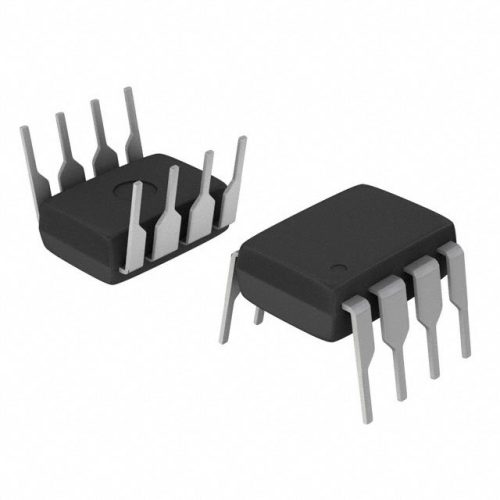
“Buy MAX9312ECJ+ Precision Voltage Comparator in DIP Package for Reliable Performance”
-
QCC-711-1-MQFN48C-TR-03-1 Bluetooth Audio SoC with MQFN48C Package

-

0339-671-TLM-E Model – High-Performance TLM-E Package for Enhanced Functionality

-
1-1415898-4 Connector Housing, Electrical Wire-to-Board, Receptacle, Packaged
Which modulation schemes are compatible with this transceiver?
It supports a variety of modulation types including O-QPSK, BPSK, ASK, FSK, GFSK, and MSK. This enables compatibility with multiple standards such as IEEE 802.15.4g and provides adaptability for different application requirements.
How does the integrated baseband processor benefit system design?
The on-chip baseband processor offloads protocol handling from the main microcontroller, reducing software complexity and processing load. This integration leads to lower power consumption and simplifies the overall system architecture.
📩 Contact Us
What are the typical output power and sensitivity values?
The transceiver can deliver up to +14 dBm output power, which supports robust transmission. Its receiver sensitivity reaches as low as -127 dBm, enabling long-range communication with high reliability.
What packaging options are available for this component?
The device is offered in a compact 7×7 mm QFN package with 48 pins. This small form factor supports space-constrained designs while maintaining thermal and electrical performance.

