

ADRF5054BCCZN-R7 Overview
The ADRF5054BCCZN-R7 is a high-performance, integrated wideband mixer designed for frequency conversion in RF and microwave applications. This device combines low noise figure with high linearity, making it suitable for demanding wireless communication systems and instrumentation. Featuring a double-balanced active mixer architecture, it supports frequencies from 50 MHz to 6 GHz with excellent port-to-port isolation and minimal conversion loss. Its compact 16-lead LFCSP package enables efficient PCB layout and thermal management. Engineers and sourcing specialists will appreciate its robust performance and ease of integration, available from IC Manufacturer.
ADRF5054BCCZN-R7 Technical Specifications
| Parameter | Specification |
|---|---|
| Frequency Range (RF/LO) | 50 MHz to 6 GHz |
| Conversion Loss | 7.5 dB typical |
| Noise Figure | 8.5 dB typical |
| Input Third-Order Intercept Point (IIP3) | +15 dBm typical |
| LO Drive Level | +7 dBm typical |
| LO to RF Isolation | 30 dB typical |
| Supply Voltage | +5 V |
| Package Type | 16-lead LFCSP (4 mm ?? 4 mm) |
| Operating Temperature Range | -40??C to +85??C |
ADRF5054BCCZN-R7 Key Features
- Wide frequency coverage: Supports RF and LO frequencies from 50 MHz to 6 GHz, enabling flexible use in multi-band systems.
- Low conversion loss: Typical 7.5 dB loss reduces signal attenuation, improving overall receiver sensitivity.
- High linearity: +15 dBm IIP3 ensures minimal intermodulation distortion, critical for congested spectral environments.
- Integrated double-balanced mixer: Offers excellent port isolation, reducing unwanted signal leakage and improving system performance.
- Compact LFCSP package: Facilitates easy PCB integration with efficient thermal dissipation in compact designs.
- 5 V single supply operation: Simplifies power management and system design compatibility.
ADRF5054BCCZN-R7 Advantages vs Typical Alternatives
This mixer provides a balanced combination of low noise figure and high linearity, outperforming many traditional passive mixers that suffer from higher conversion loss and lower IIP3. Its integrated double-balanced design enhances port isolation compared to single-ended alternatives, reducing crosstalk and improving signal fidelity. The broad frequency range and single-supply operation make it a versatile choice, minimizing the need for external components and simplifying system integration for engineers focused on robust, efficient RF front-end design.
🔥 Best-Selling Products

Typical Applications
- Wireless communication transceivers: Ideal for frequency conversion in cellular base stations, Wi-Fi systems, and other multi-band wireless equipment due to its wide frequency range and low conversion loss.
- Test and measurement instruments: Enables precise signal processing with high linearity and low noise figure, essential for spectrum analyzers and signal generators.
- Radar systems: Supports Doppler and pulse radar front ends where linearity and isolation are critical for accurate target detection.
- Satellite communication receivers: Facilitates frequency downconversion in satellite ground stations requiring low noise and high dynamic range.
ADRF5054BCCZN-R7 Brand Info
The ADRF5054BCCZN-R7 is part of a portfolio of RF mixers offered by a leading semiconductor brand specializing in high-performance analog and RF integrated circuits. Known for innovation and reliability, this product line addresses the needs of communications, aerospace, and instrumentation markets. The device combines advanced semiconductor fabrication techniques with proven mixer topologies to deliver consistent performance and ease of integration. As a trusted solution, it supports designers in meeting stringent RF system requirements while reducing development time.
FAQ
What is the typical conversion loss of this wideband mixer?
The typical conversion loss is approximately 7.5 dB, which indicates the amount of signal power lost during frequency conversion. This low loss helps maintain signal integrity in the RF chain.
🌟 Featured Products
-

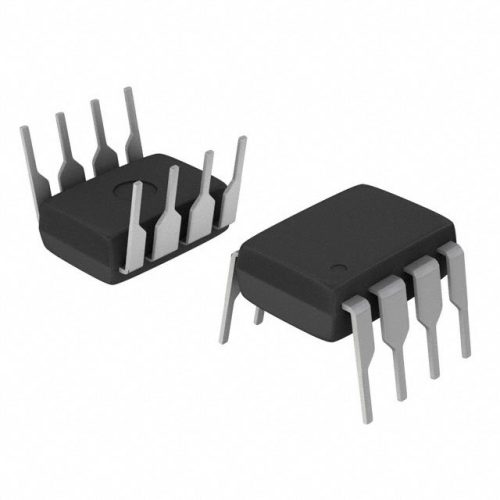
“Buy MAX9312ECJ+ Precision Voltage Comparator in DIP Package for Reliable Performance”
-
QCC-711-1-MQFN48C-TR-03-1 Bluetooth Audio SoC with MQFN48C Package

-

0339-671-TLM-E Model – High-Performance TLM-E Package for Enhanced Functionality

-
1-1415898-4 Connector Housing, Electrical Wire-to-Board, Receptacle, Packaged
Which frequency ranges does this mixer support for RF and LO inputs?
This device operates over
