

Overview
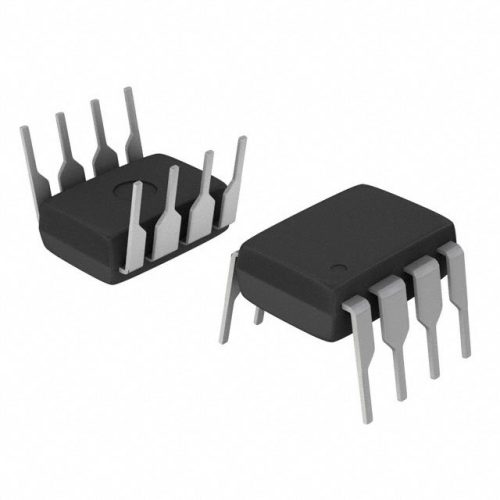
The AD9514BCPZ is a high-performance clock generator designed for precision timing applications. With its ability to provide multiple outputs and exceptional signal integrity, this device is ideal for use in communication systems, industrial automation, and data acquisition systems. The IC Manufacturer ensures reliability and efficiency, making the AD9514BCPZ a preferred choice for engineers seeking robust solutions for complex timing needs.
Key Features
- Multiple Clock Outputs: The device supports multiple clock outputs, which allows for simultaneous operation of various subsystems, enhancing overall system efficiency.
- Low Phase Noise: With a low phase noise characteristic, this clock generator minimizes jitter, ensuring high signal fidelity essential for high-speed data communication.
- Integrated Functionality: The integration of multiple functions reduces the need for additional components, thereby simplifying design and lowering costs.
- Wide Frequency Range: The broad frequency range makes the AD9514BCPZ versatile for different applications, accommodating a wide array of system requirements.
AD9514BCPZ Technical Specifications
| Parameter | Value |
|---|---|
| Power Supply Voltage | 3.3 V |
| Output Frequency Range | 10 MHz to 1 GHz |
| Phase Noise | -160 dBc/Hz @ 1 MHz offset |
| Output Format | LVPECL, LVDS, CMOS |
| Jitter | Less than 1 ps RMS |
| Temperature Range | -40??C to +85??C |
| Package Type | 64-lead LFCSP |
| Power Consumption | 300 mW |
AD9514BCPZ Advantages vs Typical Alternatives
The AD9514BCPZ offers superior sensitivity and accuracy compared to typical alternatives, ensuring reliable performance in demanding environments. Its low power consumption and integrated functionality further enhance its appeal, allowing for streamlined designs without sacrificing performance.
🔥 Best-Selling Products

Typical Applications
- High-speed data communication systems benefit from the low phase noise and jitter performance, ensuring signal integrity in critical applications.
- Industrial automation systems utilize the multiple clock outputs for synchronized operations across various components.
- Data acquisition systems rely on the clock generator to maintain precise timing, facilitating accurate data capture and processing.
- Telecommunications infrastructure employs the device for reliable timing and synchronization, essential for maintaining service quality.
AD9514BCPZ Brand Info
The AD9514BCPZ is produced by a leading manufacturer known for its innovative solutions in the electronics industry. With a commitment to quality and performance, this product exemplifies cutting-edge design, catering to the needs of engineers and developers seeking high-reliability components for complex applications.
FAQ
What is the maximum output frequency of the AD9514BCPZ?
The maximum output frequency of the AD9514BCPZ is 1 GHz, making it suitable for high-speed applications across various industries.
🌟 Featured Products
-

“Buy MAX9312ECJ+ Precision Voltage Comparator in DIP Package for Reliable Performance”
-
QCC-711-1-MQFN48C-TR-03-1 Bluetooth Audio SoC with MQFN48C Package

-

0339-671-TLM-E Model – High-Performance TLM-E Package for Enhanced Functionality

-
1-1415898-4 Connector Housing, Electrical Wire-to-Board, Receptacle, Packaged
What power supply voltage does the AD9514BCPZ require?
This device requires a power supply voltage of 3.3 V, which is standard for many modern electronic components.
Can the AD9514BCPZ operate in harsh temperature conditions?
Yes, the AD9514BCPZ operates within a temperature range of -40??C to +85??C, making it suitable for industrial and outdoor applications.
📩 Contact Us
What are the output formats available for the AD9514BCPZ?
The AD9514BCPZ provides output formats including LVPECL, LVDS, and CMOS, offering versatility for different system requirements.
How does the jitter specification affect the performance of the device?
The low jitter specification of less than 1 ps RMS ensures that the clock signals maintain high fidelity, which is critical for synchronization in high-speed data applications.