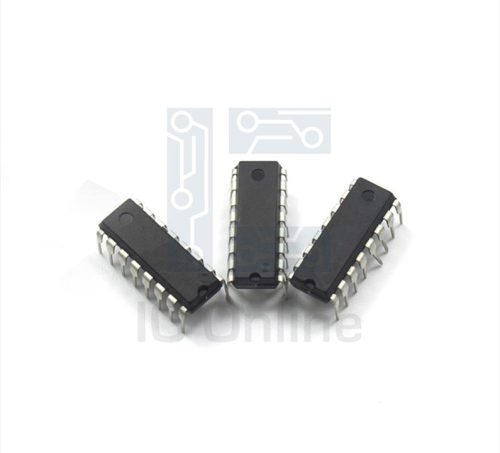
2N930-Transistor Overview
The 2N930 transistor is a high-performance, low-noise NPN bipolar junction transistor designed primarily for low-level general-purpose amplification and switching applications. With a focus on linearity and gain stability, this transistor delivers reliable operation in analog circuits, particularly in audio and radio frequency stages. Its compact TO-18 metal can package ensures excellent thermal dissipation and mechanical robustness. Engineers and sourcing specialists appreciate the 2N930 for its consistent performance under varying conditions, making it a trusted choice in precision electronic designs. For more detailed procurement options and datasheet specifics, visit IC Manufacturer.
2N930-Transistor Technical Specifications
| Parameter | Value | Unit |
|---|---|---|
| Transistor Type | NPN Bipolar Junction | – |
| Collector-Emitter Voltage (VCEO) | 25 | V |
| Collector Current (IC) | 50 | mA |
| Power Dissipation (PD) | 310 | mW |
| DC Current Gain (hFE) | 40 to 300 | – |
| Transition Frequency (fT) | 250 | MHz |
| Noise Figure | Low | – |
| Package Type | TO-18 Metal Can | – |
2N930-Transistor Key Features
- Low noise performance: Ensures minimal signal distortion, critical for high-fidelity audio and sensitive RF amplification.
- Wide DC current gain range: Offers design flexibility for various amplification needs, enabling precise gain control in circuits.
- High transition frequency: Supports effective operation at radio frequencies, enhancing signal integrity in communication devices.
- Robust TO-18 packaging: Provides excellent thermal conductivity and mechanical strength, improving device longevity and reliability.
Typical Applications
- Low-level audio frequency amplification in preamplifier and signal processing circuits, where noise reduction and gain stability are paramount.
- Intermediate frequency (IF) stages in radio receivers, enhancing signal clarity through low noise characteristics.
- Switching and amplification in instrumentation and test equipment requiring precision small-signal transistors.
- General-purpose amplification and signal conditioning in industrial control systems and communication devices.
2N930-Transistor Advantages vs Typical Alternatives
The 2N930 transistor stands out with its low noise figure and high transition frequency, providing superior signal quality compared to many standard small-signal transistors. Its wide current gain range allows precise amplification tuning, while the TO-18 metal can package ensures enhanced thermal stability and durability. These attributes make it more reliable and accurate for sensitive analog and RF applications than common plastic-encapsulated alternatives.
🔥 Best-Selling Products
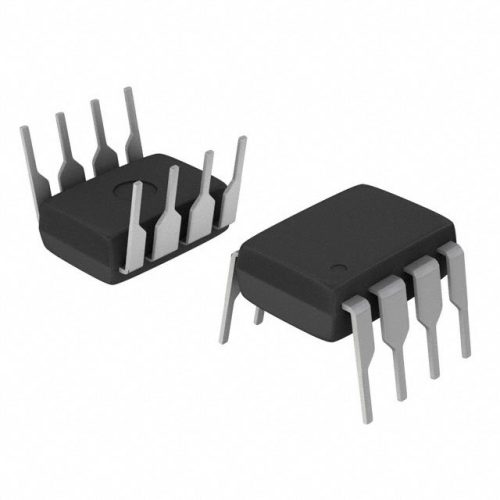

2N930-Transistor Brand Info
The 2N930 is a classic semiconductor device originally introduced by multiple reputable manufacturers such as Motorola and Texas Instruments. This transistor has been widely produced under various brands, maintaining consistent quality standards over decades. Known for its reliability in analog and RF circuits, the 2N930 remains a preferred choice in industrial and commercial sectors. Its enduring design and broad availability make it a staple component in legacy and modern electronic applications.
FAQ
What is the maximum collector current rating for the 2N930 transistor?
The maximum collector current for this transistor is rated at 50 mA, making it suitable for low to moderate power amplification and switching tasks in electronic circuits.
🌟 Featured Products
-

“Buy MAX9312ECJ+ Precision Voltage Comparator in DIP Package for Reliable Performance”
-
QCC-711-1-MQFN48C-TR-03-1 Bluetooth Audio SoC with MQFN48C Package

-

0339-671-TLM-E Model – High-Performance TLM-E Package for Enhanced Functionality

-
1-1415898-4 Connector Housing, Electrical Wire-to-Board, Receptacle, Packaged
Can the 2N930 be used in high-frequency applications?
Yes, with a transition frequency of approximately 250 MHz, the transistor supports radio frequency and intermediate frequency circuit operations effectively, ensuring reliable performance in communication devices.