

STM32 microcontrollers are used to control, monitor, and automate real-world electronic systems. They sit quietly inside machines, devices, and products—executing code, reading sensors, driving motors, and responding to events in real time.
They are designed and manufactured by STMicroelectronics, one of the world’s largest semiconductor companies. Over the past decade, STM32 has become one of the most widely adopted MCU platforms globally.
As engineers like to say:
“The best system is the one you never notice.”
That is exactly where STM32 lives—inside dependable systems that simply work.
This guide explains what STM32 is used for, who uses it, and how it fits into real product development, from beginner learning to professional deployment.
STM32 Microcontrollers Explained: A Clear Overview
STM32 is a family of 32-bit microcontrollers based on ARM Cortex-M cores. Unlike desktop CPUs or smartphone processors, STM32 chips are built for deterministic, real-time control.

What Makes STM32 Different?
STM32 chips:
- Start running code immediately after power-up
- Execute a single firmware image (no operating system required)
- Directly control hardware pins, timers, and peripherals
This makes them ideal for systems where timing matters. A motor must stop now. A sensor must be read every millisecond. A safety signal must never be late.
Position in the Embedded World
STM32 sits between two extremes:
- Low-end MCUs (8-bit or simple 32-bit): limited performance
- Application processors (Linux-based SoCs): powerful but complex
STM32 offers a balance—strong performance without operating system overhead.
STM32 Product Families
| Series | Core Focus | Typical Usage |
|---|---|---|
| F0 / G0 | Entry-level | Simple controllers |
| F1 | Classic | Industrial legacy products |
| F4 | Performance | Motor, audio, UI systems |
| H7 | Very high performance | DSP, edge computing |
| L / U | Ultra-low power | Battery-powered devices |
This wide range allows engineers to scale designs without changing platforms.
Who Uses STM32 and Why?
STM32 is rare because it serves both beginners and seasoned professionals.
Students and Self-Learners
STM32 is widely used by:
- Engineering students
- Self-taught embedded developers
- Technical hobbyists aiming for professional skills
Why? Because STM32 teaches how embedded systems really work—interrupts, memory maps, clocks, and peripherals.

Professional Engineers and Teams
In industry, STM32 is chosen for:
- Predictable timing
- Long-term availability
- Extensive peripheral support
- Mature debugging tools
Companies use STM32 in products expected to ship for 10–15 years.
Universities and Training Programs
STM32 is popular in education because:
- It matches real industrial workflows
- Skills transfer directly to jobs
- Toolchains are stable and well-documented
STM32 is not just a chip. It is a career platform.

What Is the STM32 Used For in Real-World Applications?
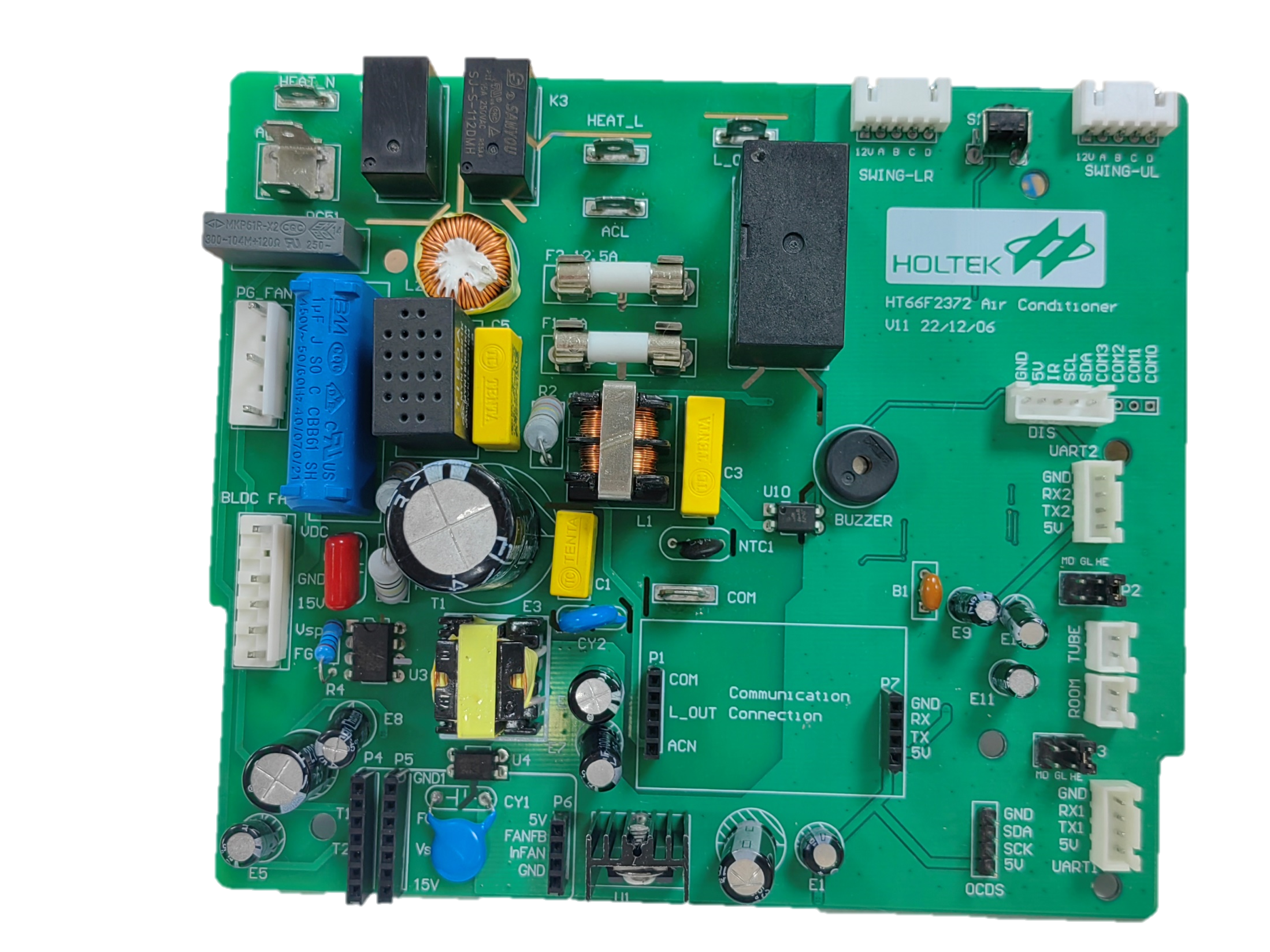
STM32 is used wherever software must interact with physical systems.
Industrial Automation
- Motor drives and inverters
- Programmable controllers
- Human–machine interfaces (HMIs)
Here, STM32 provides deterministic control and robust communication.
Medical and Healthcare Devices
- Patient monitoring systems
- Infusion and syringe pumps
- Diagnostic equipment
STM32 is favored because it supports certification and long-term supply.
Consumer and Smart Electronics
- Smart appliances
- Robotics controllers
- Touch-based control panels
These systems need performance without excessive power draw.
Audio and Motion Control
- Audio signal processing
- Precision motor control
- Measurement instruments
STM32 handles real-time DSP tasks with tight latency requirements.
STM32 for Learning and Education (High Beginner Intent)
STM32 is often compared with Arduino. The difference is depth.
STM32 vs Arduino for Beginners
| Feature | Arduino | STM32 |
|---|---|---|
| Learning curve | Very gentle | Steeper |
| Hardware control | Abstracted | Direct |
| Debugging | Limited | Professional |
| Industry relevance | Low | High |
Arduino is excellent for fast results. STM32 is better for long-term skill building.
When Beginners Should Start with STM32
- You understand basic C programming
- You want to work in embedded systems professionally
- You are ready to read datasheets
When They Should Not
- You want instant success without debugging
- You prefer scripting over systems programming
STM32 rewards patience. It punishes shortcuts.
Embedded Software & Firmware Development with STM32

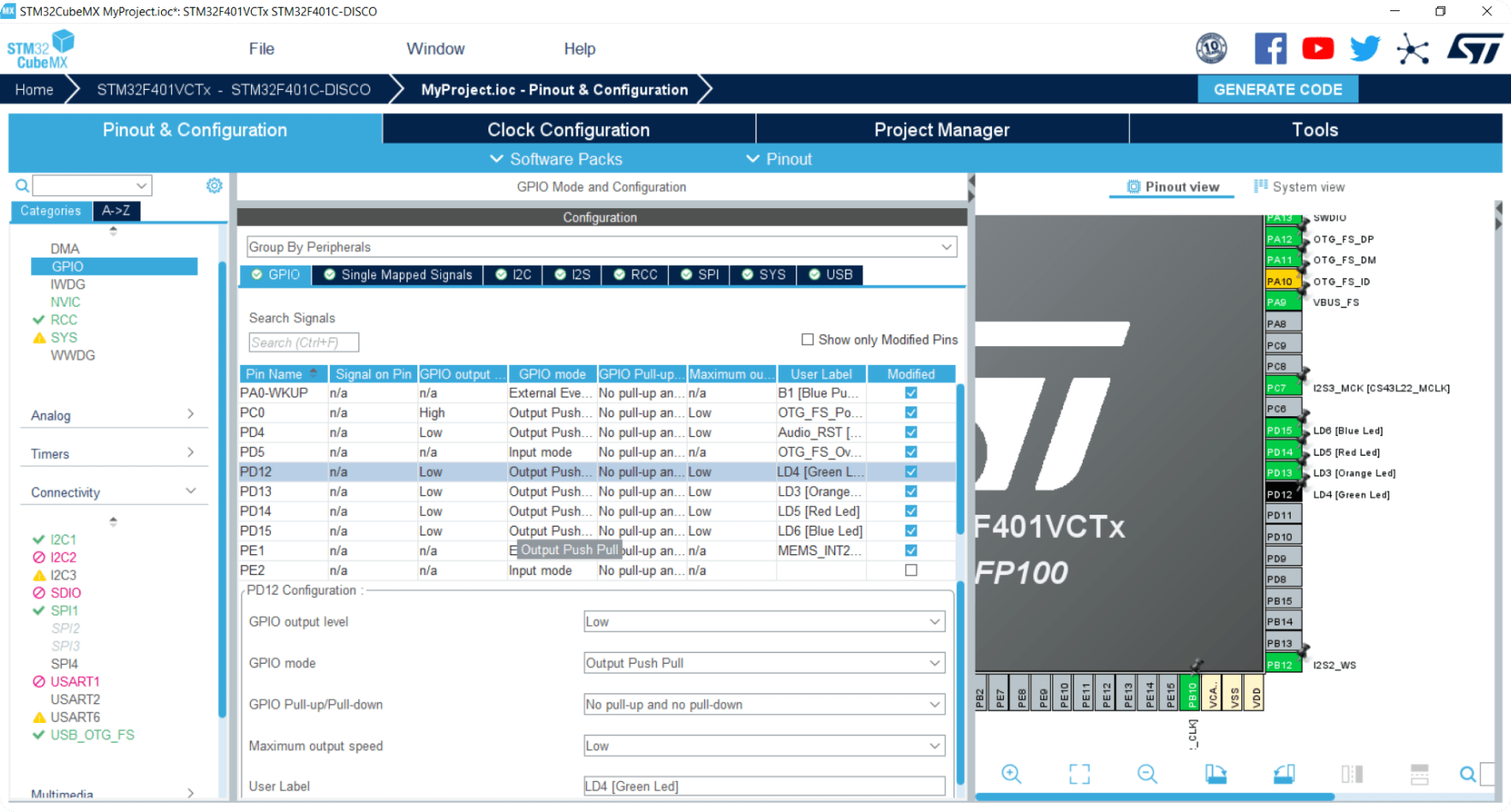
STM32 supports multiple firmware architectures.
Bare-Metal Development
- No operating system
- Direct register access
- Maximum efficiency
Used in safety-critical and low-latency systems.
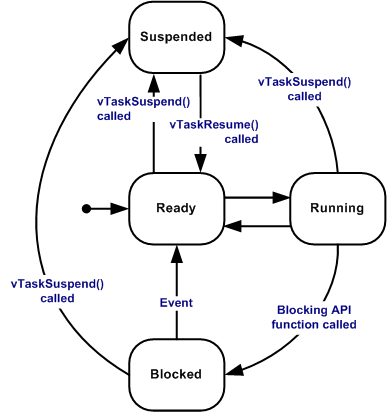
RTOS-Based Systems
- Task scheduling
- Timers and queues
- Better scalability
FreeRTOS is commonly paired with STM32 for complex applications.
HAL vs Low-Level Code
- HAL: Faster development, more abstraction
- LL / Registers: More control, better performance
Professional projects often mix both.
Debugging and Optimization
STM32 supports:
- Hardware breakpoints
- Real-time tracing
- Power profiling
This makes performance tuning practical, not guesswork.
Power Management and Low-Power STM32 Use Cases
STM32 is widely used in battery-powered electronics.
Why STM32 Excels at Low Power
- Multiple sleep modes
- Fine-grained clock gating
- Fast wake-up times
These features allow systems to sleep most of the time and wake only when needed.
Typical Applications
- Wearable devices
- Wireless sensors
- Portable medical tools
- Data loggers
Choosing the right STM32 series can multiply battery life without hardware changes.
Communication and Connectivity-Focused STM32 Applications
STM32 is often selected for its rich communication support.
Native Interfaces
- USB (HID, CDC, Mass Storage)
- Ethernet
- CAN and CAN-FD
- SPI, I²C, UART
This makes STM32 ideal for protocol bridges and gateways.
Wireless Integration Strategy
STM32 typically:
- Manages control logic
- Handles security and timing
External modules handle:
- Wi-Fi
- Bluetooth
- LoRa
This separation improves reliability and simplifies certification.
Rapid Prototyping and Product Development with STM32


STM32 is designed for real product lifecycles, not just experiments.
From Idea to Production
- Prototype with development boards
- Validate firmware behavior
- Design custom hardware
- Reuse software with minimal changes
- Scale to mass production
The same tools work from prototype to factory floor.
Business Advantages
- Long-term availability
- Predictable costs
- Reusable codebase
This reduces risk and accelerates time to market.
Is the STM32 Right for Your Project?
STM32 is a strong choice—but not always the right one.
Choose STM32 If You Need
- Real-time performance
- Deterministic behavior
- Long product life
- Tight power control
Avoid STM32 If You Need
- Full graphical desktops
- High-level application frameworks
- Rapid web-based development
Final Decision Checklist
- Does timing matter?
- Will the product ship for years?
- Is reliability more important than convenience?
If the answer is yes, STM32 is usually the correct decision.
Final Thoughts
STM32 is not flashy.
It is not trendy.
It is trusted.
In embedded systems, trust beats novelty every time.
That is why STM32 continues to power products that people depend on—often without ever knowing it exists.
