


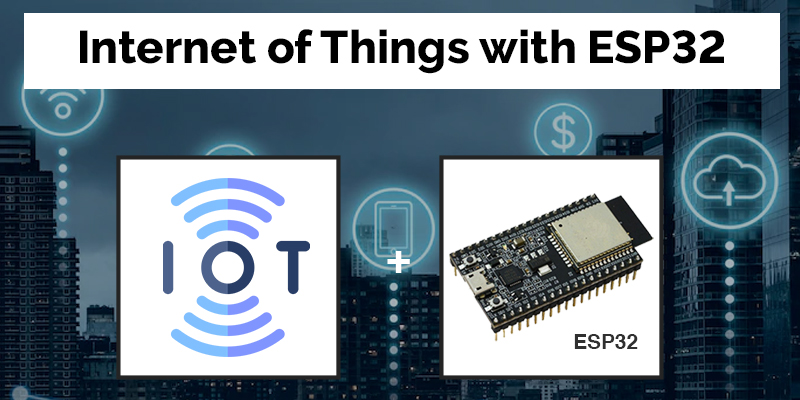

What Is ESP32 Used For?
The ESP32 is one of the most widely used microcontrollers in the world today.
It powers smart homes. It runs industrial sensors. It drives millions of connected products.
Small chip. Big impact.
Designed by Espressif Systems, ESP32 sits at the heart of modern IoT, embedded, and wireless devices. Its success comes from one rare mix: Wi-Fi, Bluetooth, strong performance, and low cost—all in one chip.
As the saying goes, “Simplicity is the ultimate sophistication.” ESP32 proves that every day.
Overview of ESP32 and Its Role in Modern Embedded Systems
What the ESP32 Microcontroller Is
ESP32 is a system-on-chip (SoC) microcontroller.
It combines:
- A powerful CPU
- Wireless connectivity
- Memory
- Peripheral interfaces
All inside a compact, low-cost package.
Unlike classic microcontrollers, ESP32 is network-first. It was built for always-connected products, not just blinking LEDs.
Why ESP32 Is Central to IoT and Connected Products
IoT devices must communicate, update, and scale. ESP32 was designed exactly for that.
It enables:
- Direct cloud connectivity
- Mobile app control
- Remote monitoring and OTA updates
That makes it ideal for commercial IoT, not just hobby projects.
Key Features That Differentiate ESP32 from Traditional MCUs
Integrated Wi-Fi and Bluetooth

ESP32 includes:
- 2.4 GHz Wi-Fi (802.11 b/g/n)
- Bluetooth Classic
- Bluetooth Low Energy (BLE)
No external radio chips. No extra modules.
High Performance at Low Cost
ESP32 delivers:
- Up to 240 MHz CPU speed
- Dual-core processing on many models
- Hardware acceleration
All while costing just a few dollars in volume.
Rich Peripheral Set for Connected Devices
ESP32 supports:
- GPIO, ADC, DAC, PWM
- SPI, I²C, UART, CAN
- Touch sensors, RTC, timers
This allows one chip to replace several components.
ESP32 Hardware Architecture and Core Specifications

CPU Architecture and Processing Power
ESP32 comes in multiple architectures:
| Core Type | Description | Use Case |
|---|---|---|
| Xtensa LX6/LX7 | High performance, dual-core | Multimedia, gateways |
| RISC-V | Open architecture, efficient | Cost-optimized IoT |
Dual-core models allow real-time tasks to run separately from networking.
Memory and Storage Options
| Memory Type | Details |
|---|---|
| SRAM | On-chip, fast access |
| PSRAM | External, up to 8 MB |
| Flash | 4–16 MB typical |
This flexibility supports both simple sensors and complex UI devices.
Integrated Peripherals and Interfaces
ESP32 can control motors, read sensors, stream audio, and manage displays—without extra chips.
Wireless Connectivity Capabilities of ESP32
Built-In Wi-Fi for Networking and Cloud Communication
ESP32 supports:
- TCP/IP stack
- HTTPS, MQTT, WebSockets
- Local web servers
It connects directly to AWS, Azure, or private clouds.
Bluetooth Classic and BLE Use Cases
Bluetooth enables:
- Device pairing
- Mobile provisioning
- Wearables and beacons
BLE keeps power consumption low for battery devices.
Benefits of Integrated Wireless for Product Design
| Benefit | Impact |
|---|---|
| Reduced BOM | Lower manufacturing cost |
| Simplified PCB | Faster development |
| Certified RF | Easier compliance |
Power Consumption and Low-Power ESP32 Applications

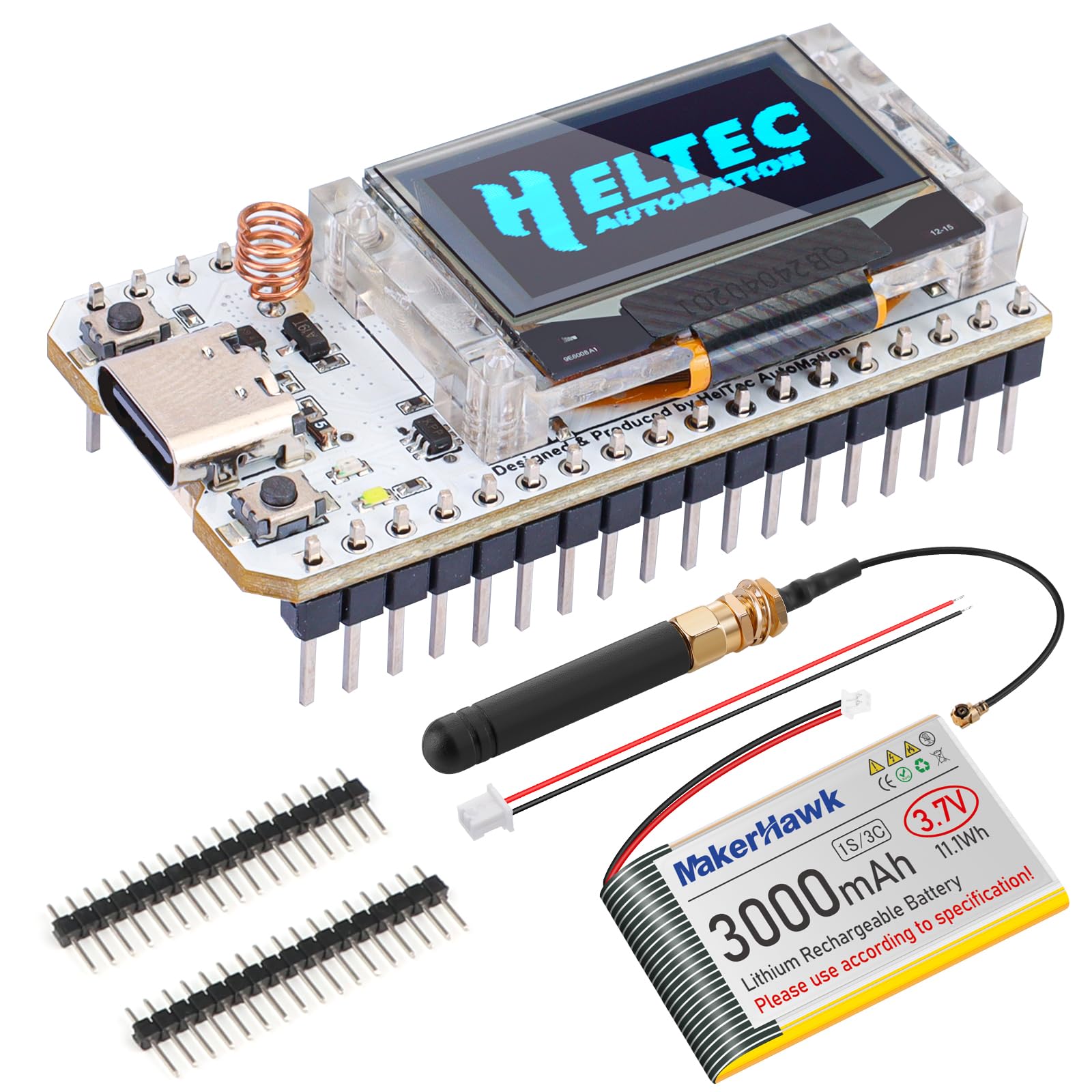
Power Modes Explained
ESP32 offers multiple modes:
- Active
- Modem Sleep
- Light Sleep
- Deep Sleep
Deep sleep can reduce power to microamps.
Battery-Powered and Energy-Efficient IoT Nodes
ESP32 is widely used in:
- Smart meters
- Remote sensors
- Wearables
A well-designed ESP32 device can run months or years on batteries.
Power Optimization Strategies
- Disable unused peripherals
- Optimize Wi-Fi duty cycles
- Use interrupts instead of polling
Efficiency is a design choice, not a limitation.
ESP32 Variants and How to Choose the Right One
ESP32 Product Family Overview
| Variant | Wireless | CPU | Best For |
|---|---|---|---|
| ESP32 | Wi-Fi + BT | Dual-core | General IoT |
| ESP32-S2 | Wi-Fi only | Single-core | USB devices |
| ESP32-S3 | Wi-Fi + BLE | Dual-core | AI, HMI |
| ESP32-C3 | Wi-Fi + BLE | RISC-V | Low cost |
| ESP32-C6 | Wi-Fi 6 + BLE | RISC-V | Future IoT |
How to Choose
Ask three questions:
- Do you need Bluetooth?
- How much memory is required?
- Is cost or performance more critical?
ESP32 in IoT, Industrial, and Commercial Applications

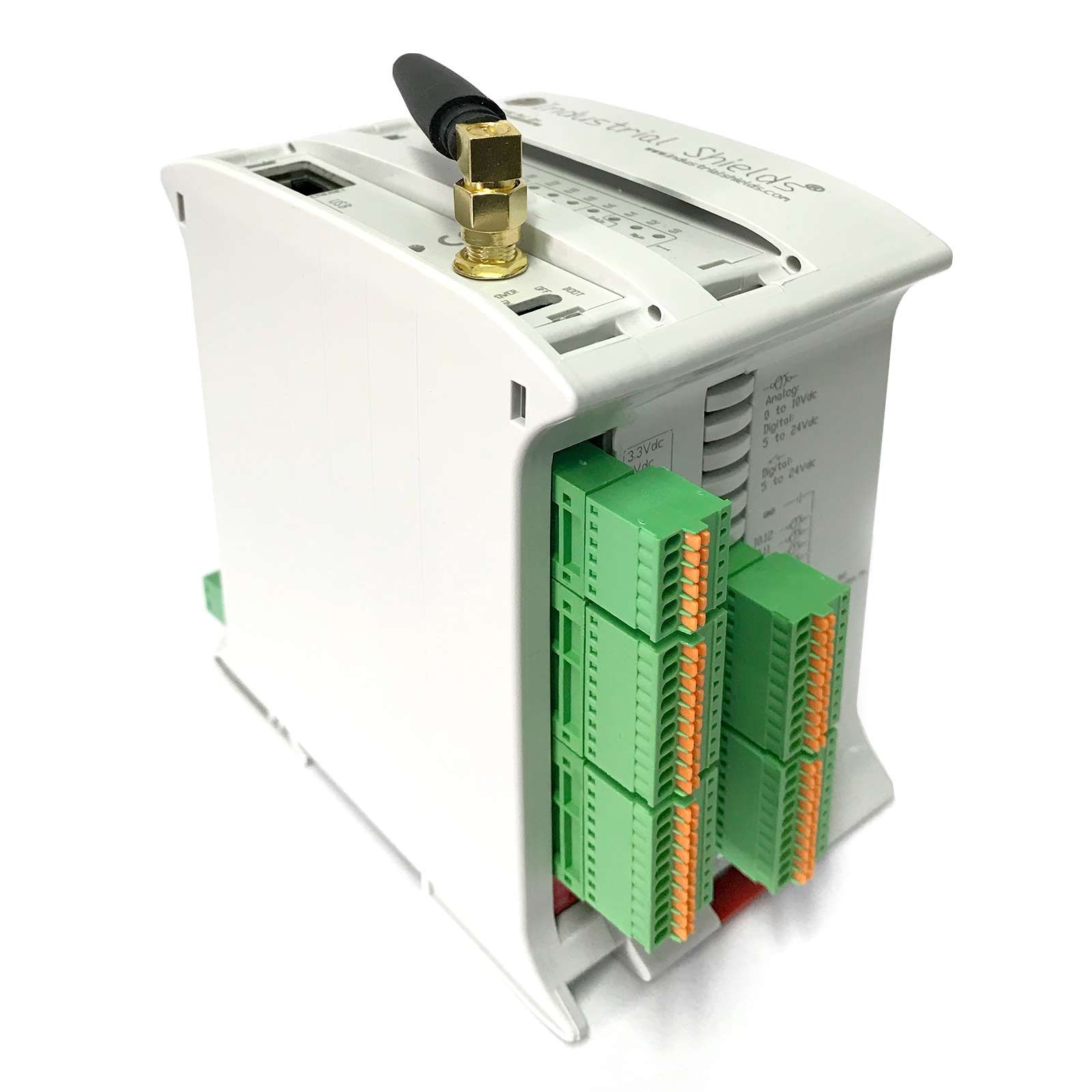
Smart Home and Consumer Devices
ESP32 is used in:
- Smart plugs and switches
- Lighting systems
- Thermostats
- Voice-controlled devices
Industrial and Commercial Use Cases
ESP32 powers:
- Industrial monitoring
- Data loggers and gateways
- Predictive maintenance systems
RTOS support makes it reliable for 24/7 operation.
Environmental, Energy, and Agriculture
ESP32 enables:
- Weather stations
- Smart irrigation
- Energy metering
Connectivity turns data into decisions.
Programming ESP32 and Its Software Ecosystem
C/C++ with ESP-IDF
ESP-IDF is the official framework:
- Full hardware access
- RTOS integration
- Production-ready
Arduino, PlatformIO, and Python
| Environment | Strength |
|---|---|
| Arduino IDE | Fast learning |
| PlatformIO | Professional workflow |
| MicroPython | Rapid prototyping |
A strong community means faster development and fewer bugs.
Why ESP32 Is Widely Adopted in Mass Production
Cost Efficiency and Scalability
ESP32 scales from:
- One prototype
- To millions of units
Supply chain stability makes it attractive for long-term products.
Security and Compliance
ESP32 includes:
- Secure boot
- Flash encryption
- Hardware crypto engines
These features meet modern security expectations.
When ESP32 Is the Best Choice—and When It Isn’t
ESP32 is ideal when you need:
- Wireless connectivity
- Moderate to high processing power
It may be overkill for:
- Simple, offline control tasks
Choose wisely.
Final Thoughts: What Is ESP32 Used For?
ESP32 is used for connected intelligence.
From smart homes to factories.
From classrooms to commercial products.
Its success is no accident. It delivers power, flexibility, and value—without compromise.
As engineers often say, “The best technology disappears into the product.”
ESP32 does exactly that.
