

What Is a PIC Microcontroller Used For?
Features, Applications, and Real-World Examples
PIC microcontrollers have powered electronics quietly for decades.
They sit inside machines, appliances, vehicles, and instruments—small, reliable, and precise.
As Microchip Technology often states, “Simplicity, reliability, and longevity matter more than raw power in embedded systems.”
That philosophy explains why PIC devices are still everywhere today.
This guide explains what PIC microcontrollers are used for, how they work, and when they are the right choice—using clear language, real examples, and practical comparisons.
Understanding PIC Microcontrollers in Embedded Systems
An embedded system is a computer built into a larger product to perform a specific task.
It is not a laptop. Not a phone. It does one job—and does it well.
A PIC microcontroller is the brain of many such systems.
What an Embedded System Is
Embedded systems control:
- Timing
- Sensors
- Motors
- Displays
- Communication
They must be predictable, efficient, and stable for years.
Role of PIC Microcontrollers in Embedded Design
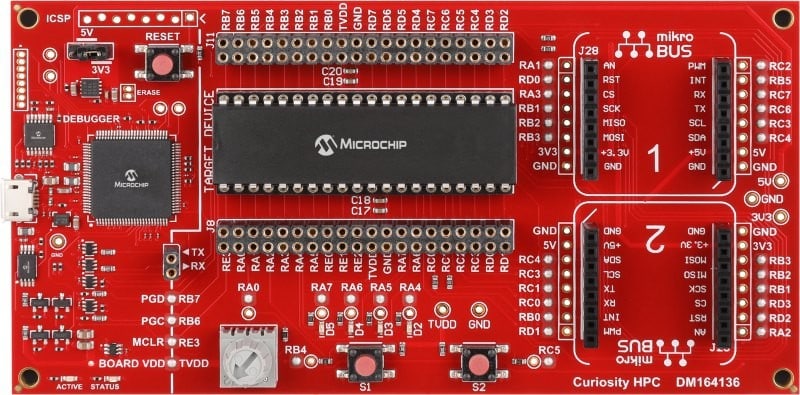
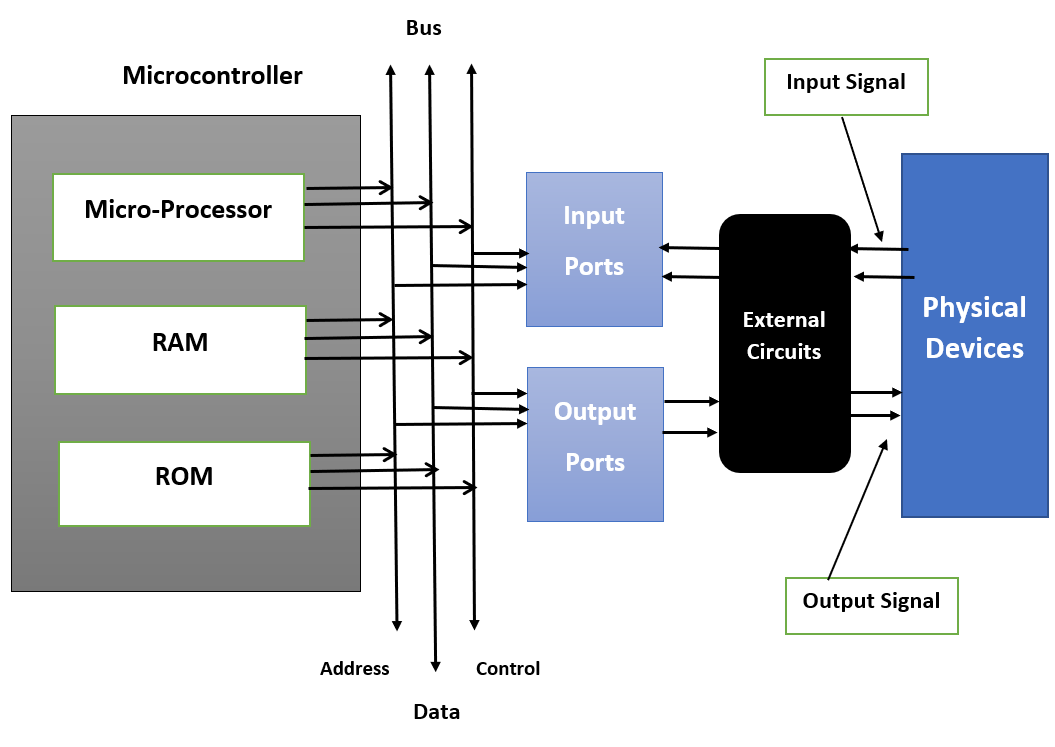
PIC MCUs integrate:
- CPU
- Memory
- Input/Output pins
- Peripherals
All on a single chip.
This integration reduces cost, size, and power consumption—critical in mass-produced electronics.
Microcontroller vs Microprocessor
| Feature | Microcontroller | Microprocessor |
|---|---|---|
| Memory | On-chip | External |
| Power | Very low | High |
| OS needed | No | Yes |
| Use case | Dedicated control | General computing |
PIC devices are microcontrollers—purpose-built for control, not computation.
What a PIC Microcontroller Is and How It Works
A PIC microcontroller is a Harvard-architecture, RISC-based control device.
Short instructions.
Fast execution.
Deterministic timing.
Harvard Architecture and RISC Design
PIC uses separate memory buses for data and instructions.
This allows faster, more predictable operation—ideal for real-time systems.
Why PIC Became an Industry Staple
PIC MCUs earned trust because they are:
- Stable under harsh conditions
- Simple to debug
- Supported for decades
As the engineering proverb goes:
“In control systems, predictability beats performance.”
PIC embodies that truth.
Core Features of PIC Microcontrollers
PIC families range from tiny 8-bit chips to powerful 32-bit controllers.
Low-Power, High-Efficiency Architecture
| PIC Family | Typical Use |
|---|---|
| 8-bit | Appliances, sensors |
| 16-bit | Motor control |
| 32-bit | Connectivity, UI |
Sleep modes allow microamp-level power usage.
Integrated Peripherals
PIC MCUs include:
- ADC (Analog-to-Digital Converters)
- Timers and counters
- PWM for motor control
- UART, SPI, I²C
No extra chips needed.
Memory and I/O Flexibility
- Flash for firmware
- EEPROM for data
- Configurable I/O pins
This makes PIC ideal for custom hardware designs.
Reliability and Real-Time Control
PIC timing is deterministic.
No background OS.
No surprise delays.
That matters in safety and control applications.
What Is a PIC Microcontroller Used For?
PIC microcontrollers appear in almost every industry.
Industrial Control and Automation
Used in:
- PLC modules
- Valve controllers
- Process monitoring
PIC handles real-time inputs without failure.
Consumer Electronics and Appliances
Examples:
- Washing machines
- Microwave ovens
- Air conditioners
PIC manages buttons, displays, motors, and sensors.
Automotive and Transportation
Used for:
- Window controllers
- Climate control
- Dashboard indicators
Low power. High reliability.
Medical and Safety Devices
PIC MCUs power:
- Infusion pumps
- Monitoring alarms
- Portable diagnostic tools
Here, stability is non-negotiable.
Education, Hobby, and Cost-Sensitive Products
PIC is popular in:
- Engineering labs
- DIY electronics
- Low-cost mass production
Because simplicity lowers risk.
Real-World Examples of PIC Microcontroller Usage


Traffic Light Controllers
PIC timers manage light sequences with millisecond accuracy.
Smart Appliances
PIC reads sensors, controls motors, and handles safety shutdowns.
Environmental Monitoring
Temperature, humidity, and gas sensors connect directly to PIC ADC pins.
Motor Speed Control
PWM modules regulate speed smoothly in fans and conveyors.
Simple IoT Nodes
Low-cost PIC MCUs still power legacy IoT sensors where efficiency matters more than cloud features.
Communication and Interface Applications
PIC excels at device-to-device communication.
UART, SPI, and I²C
Used for:
- Sensor networks
- Display modules
- Memory expansion
Human Interfaces
PIC easily connects to:
- LCDs
- Keypads
- Buttons
- LEDs
Industrial Communication
Field devices use PIC for:
- RS-485 nodes
- Serial diagnostics
- Control panels
Simple protocols. Solid reliability.
PIC16F877A: A Classic and Representative PIC MCU
Overview
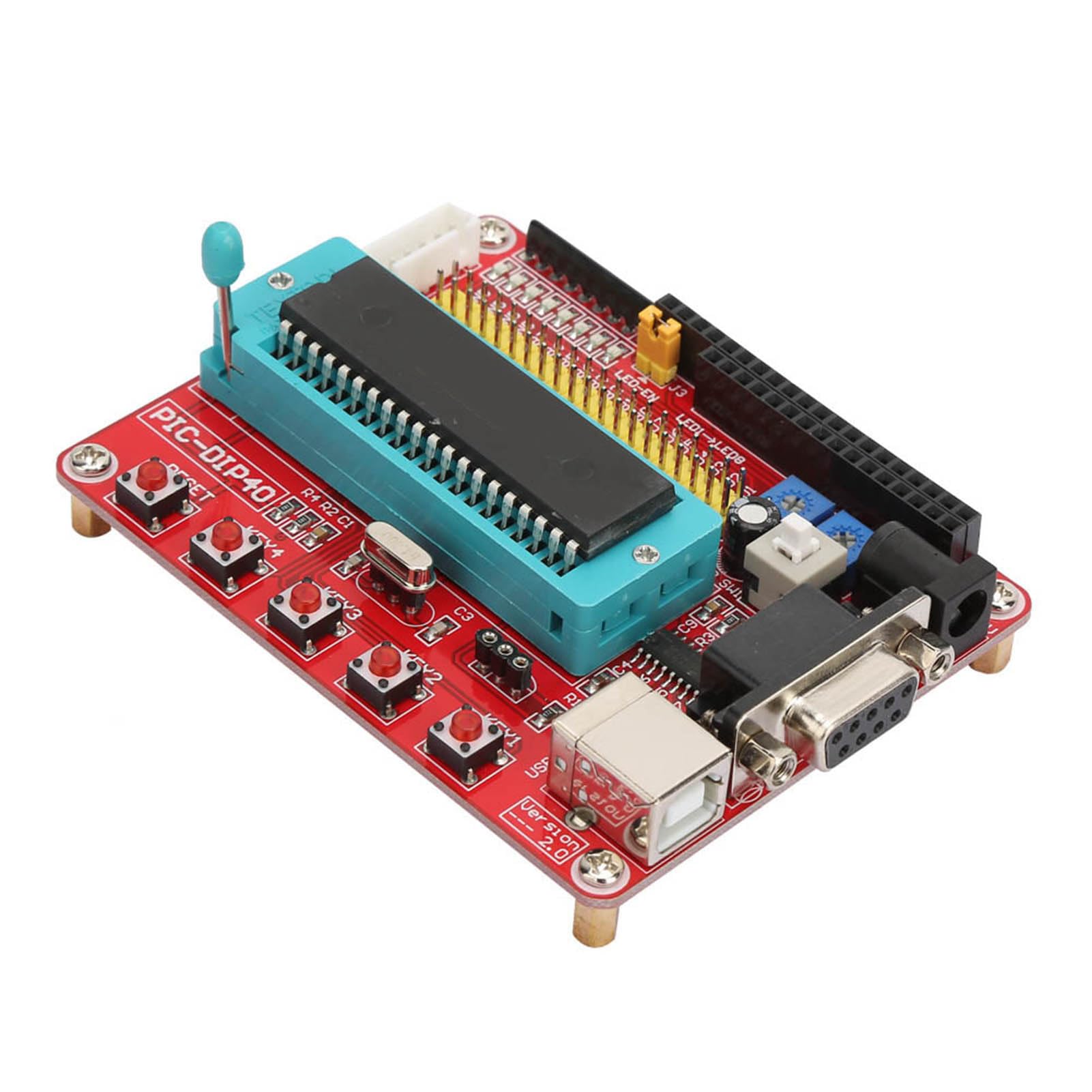
The PIC16F877A is one of the most widely taught PIC MCUs ever made.
Key Specifications
| Feature | Value |
|---|---|
| Architecture | 8-bit |
| Flash | 14 KB |
| I/O Pins | 33 |
| ADC | 10-bit |
| Packages | DIP / SMD |
Typical Applications
- Training kits
- Motor control demos
- Sensor projects
Why It Still Matters
Despite its age, PIC16F877A remains relevant because:
- Massive documentation
- Stable supply
- Simple architecture
Legacy systems still depend on it.
Advantages, Limitations, and Future of PIC Microcontrollers
Advantages
- Proven reliability
- Long product lifecycles
- Low cost
- Huge installed base
Limitations
- Lower performance than ARM MCUs
- Smaller ecosystem
- Limited advanced connectivity
When PIC Is the Right Choice
PIC is ideal when:
- Cost matters
- Real-time control is critical
- Long-term availability is required
Are PIC Microcontrollers Still Used Today?
Yes. Widely.
PIC dominates:
- Legacy industrial systems
- Appliances
- Automotive subsystems
And Microchip continues releasing new PIC variants with modern peripherals.
As the engineering saying goes:
“Old silicon doesn’t mean obsolete silicon.”
Final Thoughts
PIC microcontrollers are not flashy.
They are not trendy.
They are dependable.
If your project needs:
- Precise timing
- Low power
- Long-term support
- Cost efficiency
Then PIC is still a smart, strategic choice.
In embedded systems, boring often means brilliant.
