


What Is a DC/DC Converter Used For? A Practical Guide for Modern Electronics
Modern electronics run on one simple truth: the right voltage at the right place, at the right time.
Batteries fluctuate. Power rails sag. Loads change without warning. Yet processors, sensors, and radios demand clean, stable power.
That gap is filled by one quiet workhorse—the DC/DC converter.
This guide explains what a DC/DC converter is used for, why it matters, and how it supports nearly every electronic system you touch today. Clear language. Real examples. Practical insight.
DC/DC Converter Basics: Definition and Core Purpose
A DC/DC converter changes one DC voltage level into another DC voltage level.
Simple idea. Massive impact.
What a DC/DC converter is and why voltage conversion matters
Most power sources are wrong for direct use.
A lithium battery might sit at 4.2 V when full and 3.0 V when empty.
A car electrical system can swing from 9 V to 16 V.
Electronics hate that uncertainty.
A DC/DC converter reshapes that unstable input into a stable, usable output—5 V, 3.3 V, 1.8 V, or whatever the load needs.
Why modern electronic systems need DC/DC converters

Modern devices are multi-voltage systems.
One board may need:
- 12 V for motors
- 5 V for USB
- 3.3 V for logic
- 1.0 V for a CPU core
Only DC/DC converters make this practical and efficient.
DC/DC converters vs linear regulators
Linear regulators are simple—but wasteful.
They burn excess voltage as heat.
DC/DC converters switch energy instead of dissipating it.
Result: far higher efficiency, lower heat, and longer battery life.
What Problems DC/DC Converters Solve (Clear “Used For” Explanation)
DC/DC converters exist because real-world power is messy.
Converting unstable DC sources into usable voltages
Batteries discharge. Solar panels drift. Vehicle rails spike.
Converters absorb this chaos and deliver consistency.
“Efficiency is doing better what is already being done.” — Peter Drucker
DC/DC converters do exactly that—deliver power better.
Powering sensitive electronics from noisy or high-voltage supplies
Microcontrollers and RF chips are fragile.
They need clean, ripple-controlled rails.
Converters isolate sensitive loads from noisy sources while keeping voltage locked in place.
Enabling portable, battery-powered, and off-grid electronics
Without DC/DC converters, modern portable electronics would be bulky, hot, and short-lived.
Efficiency equals freedom.
How DC/DC Converters Work (Plain-English Explanation)
At first glance, DC/DC converters look complex.
In reality, the principle is elegant.
Basic working principle
They work by:
- Rapidly switching the input voltage on and off
- Storing energy in an inductor or transformer
- Releasing energy at a controlled rate
The output is then filtered into smooth DC.
Key internal components

A typical converter includes:
- Switching transistor (MOSFET)
- Inductor or transformer
- Diode or synchronous switch
- Control IC
- Capacitors for smoothing
Short pulses. Stored energy. Controlled output.
Voltage regulation vs voltage conversion
Conversion changes voltage level.
Regulation keeps it steady.
Good converters do both—even when load current changes suddenly.
Handling drops, surges, and load changes
Feedback loops constantly monitor output voltage.
If the load pulls more current, the converter responds in microseconds.
Common Types of DC/DC Converters and Their Uses
Not all converters do the same job.
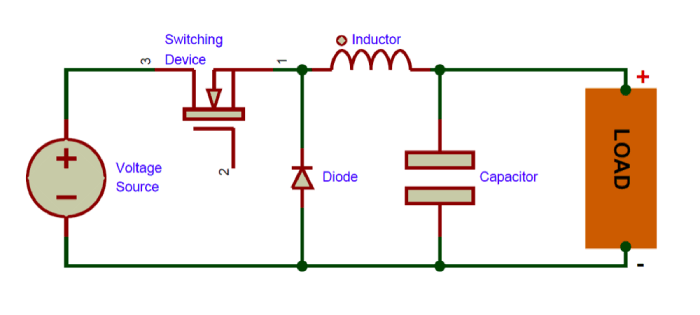

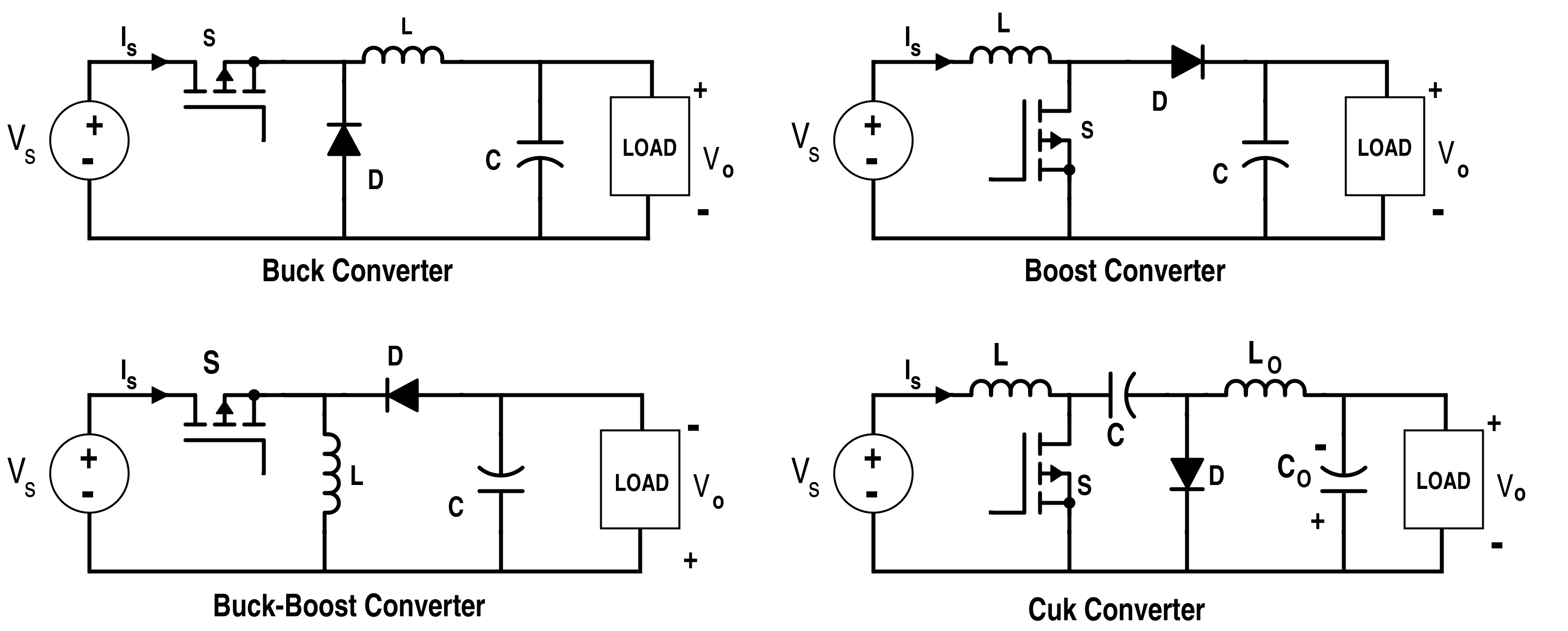
Buck (step-down) converters
Used when input voltage is higher than output.
Example: 12 V → 5 V.
Most common type in electronics.
Boost (step-up) converters
Used when input voltage is lower than output.
Example: 3.7 V battery → 9 V rail.
Essential for battery-powered systems.
Buck-boost converters
Handle inputs above or below the output.
Perfect for wide-range or unstable sources.
Isolated vs non-isolated converters
- Non-isolated: compact, efficient, low cost
- Isolated: safety, noise reduction, medical and industrial use
Input Power Source Scenarios (Real-World Use)
DC/DC converters adapt to almost any DC source.
Batteries (Li-ion, LiFePO₄, lead-acid)
Battery voltage constantly changes.
Converters keep electronics running until the last usable joule.
Solar panels
Solar output varies with light, temperature, and load.
Converters extract usable power under all conditions.
Vehicle power systems (12 V / 24 V)
Automotive rails are noisy and unpredictable.
Converters protect electronics from spikes and dips.
Why DC/DC Converters Are Essential in Modern Electronics
Efficiency is not optional anymore.
Improving power efficiency and reducing heat
Switching converters routinely reach 85–95% efficiency.
Less heat means:
- Smaller enclosures
- Higher reliability
- No bulky heat sinks
Extending battery life
Every percent of efficiency matters.
A good converter can add hours—or days—to battery life.
Supporting mixed-voltage systems
Modern boards are voltage mosaics.
DC/DC converters are the glue that holds them together.
Load-Specific Usage Scenarios
Different loads demand different power behavior.
Powering microcontrollers, CPUs, and SoCs
These loads change current fast.
Converters must respond instantly without voltage droop.
Supplying sensors, RF modules, and analog circuits
Low noise matters.
Converters with proper filtering protect signal integrity.
Driving motors, LEDs, and actuators
High current. Fast transients.
Converters provide controlled power without collapsing the rail.
Typical Applications of DC/DC Converters Across Industries

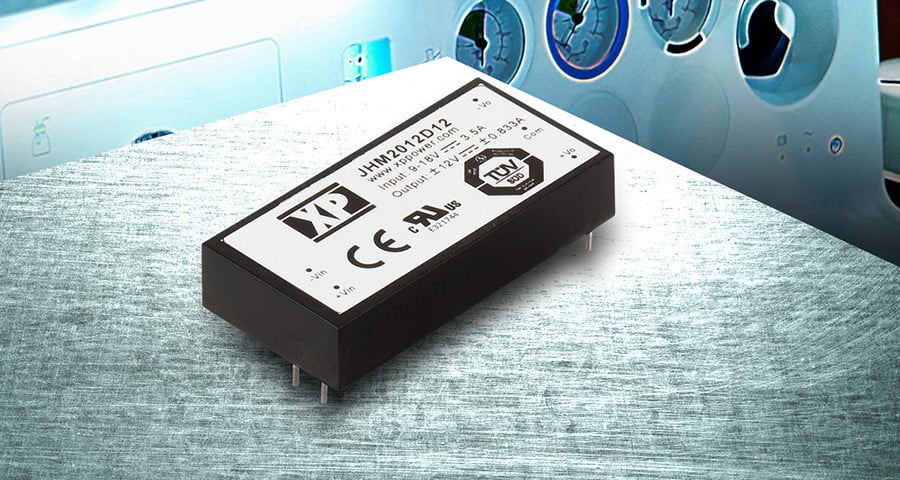
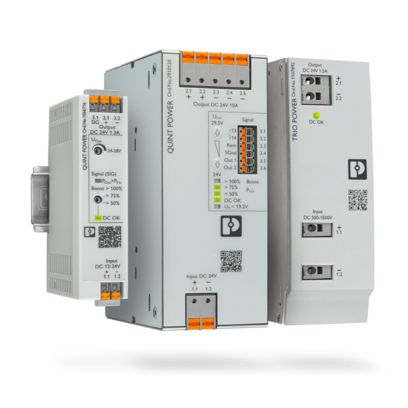
DC/DC converters appear everywhere:
- Consumer electronics: phones, laptops, wearables
- IoT and embedded systems: sensors, gateways
- Industrial automation: PLCs, communication modules
- Automotive and EVs: infotainment, ADAS, battery management
- Medical devices: patient monitors, portable diagnostics
- Aerospace and defense: mission-critical, fault-tolerant systems
- Renewable energy: solar charge controllers, storage systems
If electrons move, converters manage them.
Key Considerations When Choosing a DC/DC Converter
Choosing the wrong converter causes noise, heat, or failure.
Input and output requirements
Always check:
- Input voltage range
- Output voltage accuracy
- Maximum load current
Efficiency and thermal performance
Higher efficiency reduces:
- Heat
- Component stress
- Cooling cost
Reliability and protection features
Look for:
- Overcurrent protection
- Thermal shutdown
- Short-circuit tolerance
“An ounce of prevention is worth a pound of cure.” — Benjamin Franklin
In power design, this is absolute truth.
Final Thoughts: What DC/DC Converters Are Really Used For
DC/DC converters are not optional components.
They are enablers.
They:
- Make unstable power usable
- Improve efficiency dramatically
- Extend battery life
- Protect sensitive electronics
- Enable compact, modern designs
From smartphones to satellites, DC/DC converters quietly ensure that every circuit gets exactly what it needs—no more, no less.
And that is why modern electronics simply cannot exist without them.
