


XC7A15T-3FTG256E Overview
The XC7A15T-3FTG256E is a versatile member of the 7 Series of FPGAs, designed for high-performance applications. Featuring a blend of logic cells, DSP slices, and memory resources, it caters to diverse needs in industrial automation, communications, and embedded systems. This device enhances design efficiency and flexibility with its advanced features, delivering reliable performance for various engineering projects. For more information, visit IC Manufacturer.
XC7A15T-3FTG256E Key Features
- High Logic Capacity: With numerous logic cells, it enables complex designs, facilitating greater functionality without compromising performance.
- Integrated DSP Slices: These slices optimize signal processing tasks, crucial for applications requiring high-speed data manipulation.
- Robust I/O Capabilities: The extensive range of I/O options promotes seamless integration with peripheral devices, enhancing overall system design.
- Low Power Consumption: Designed for efficiency, it minimizes energy usage, making it suitable for battery-powered and energy-sensitive applications.
XC7A15T-3FTG256E Technical Specifications
| Parameter | Specification |
|---|---|
| Logic Cells | 15,850 |
| DSP Slices | 30 |
| Block RAM | 512 Kbits |
| Maximum I/O Pins | 128 |
| Package Type | FTG256 |
| Operating Voltage | 1.0V – 1.2V |
| Maximum Operating Frequency | 200 MHz |
| Temperature Range | -40??C to +100??C |
XC7A15T-3FTG256E Advantages vs Typical Alternatives
This device stands out due to its combination of high logic capacity and integrated DSP slices, enabling superior performance in applications like digital signal processing and data handling. Compared to typical alternatives, it offers enhanced efficiency, reduced power consumption, and greater reliability, making it an ideal choice for demanding engineering projects.
🔥 Best-Selling Products

Typical Applications
- Industrial Automation: The XC7A15T-3FTG256E is widely used in control systems, robotics, and manufacturing processes, facilitating real-time data processing and automation.
- Communications Infrastructure: Ideal for applications in high-speed data transmission and signal processing.
- Embedded Systems: Suitable for integration into various embedded devices requiring efficient computation and control.
- Consumer Electronics: Used in devices that demand high performance and low power consumption for enhanced user experiences.
XC7A15T-3FTG256E Brand Info
The XC7A15T-3FTG256E is a product of a leading semiconductor manufacturer known for its innovative FPGA solutions. This brand has established a strong reputation for delivering reliable and high-performance devices that meet the evolving needs of engineers and designers in various industries.
FAQ
What is the primary use of the XC7A15T-3FTG256E?
The primary use of this FPGA is in applications requiring high-speed processing and real-time data handling, particularly in industrial automation and communication systems.
🌟 Featured Products
-

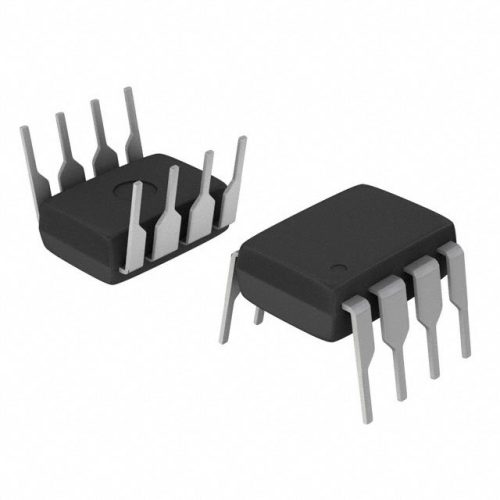
“Buy MAX9312ECJ+ Precision Voltage Comparator in DIP Package for Reliable Performance”
-
QCC-711-1-MQFN48C-TR-03-1 Bluetooth Audio SoC with MQFN48C Package

-

0339-671-TLM-E Model – High-Performance TLM-E Package for Enhanced Functionality

-
1-1415898-4 Connector Housing, Electrical Wire-to-Board, Receptacle, Packaged
How does the XC7A15T-3FTG256E compare in power efficiency?
This FPGA is designed for low power consumption, making it more efficient than many competitors, particularly in battery-operated and energy-sensitive applications.
Can the XC7A15T-3FTG256E be used in harsh environments?
Yes, it has an operating temperature range of -40??C to +100??C, making it suitable for deployment in harsh industrial environments.
📩 Contact Us
What types of memory does the XC7A15T-3FTG256E support?
This device supports Block RAM with a capacity of 512 Kbits, which is essential for efficient data storage and retrieval during processing tasks.
Is the XC7A15T-3FTG256E compatible with other components?
Yes, it features versatile I/O capabilities, ensuring compatibility with a wide range of peripheral devices and integration into existing systems.