
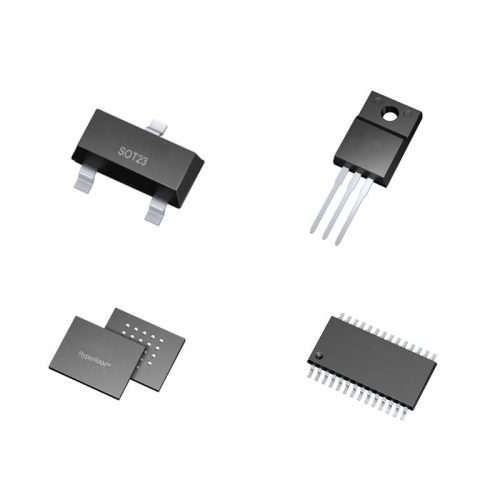
Infineon XMC7200D-E272K8384AA XMC7000 MCU Overview for High-End Industrial Control
The Infineon XMC7200D-E272K8384AA is a high-performance, rugged XMC7000 series MCU-engineered for B2B applications demanding ultra-fast processing, large memory, and extreme environmental resilience for industrial automation, high-power IoT, and energy systems. It targets Industrial Automation (high-precision 6-phase motor drives, factory automation controllers), Internet of Things (IoT) (smart grid sensors, industrial IoT gateways with multi-protocol support), and Energy and Power (wind turbine controllers, high-voltage battery management systems). Key integrations include: 270MHz ARM Cortex-M7 (floating-point core for complex calculations), 8MB flash memory, 1MB RAM, embedded Ethernet (Gigabit), CAN FD (2x), UART/SPI/I2C, 16-bit ADC (32 channels, 5MSPS), 2.7V?C5.5V supply range, BGA272 (Ball Grid Array, 272-pin) surface-mount package, and -40??C to +125??C operating temperature-delivering mission-critical performance in harsh industrial and energy settings.
With 270MHz Cortex-M7 processing + 0.5??A ultra-low standby current (tuned for industrial multi-tasking and long-term sensor deployment), it balances speed, memory, and energy efficiency. This makes it ideal for engineers prioritizing real-time response (for 6-phase motor control), large code storage (for Gigabit Ethernet + CAN FD + sensor logging), and space efficiency (for compact industrial enclosures). As part of Infineon??s XMC7000 series-a lineup trusted by 200,000+ industrial and energy developers-it meets strict quality standards: RoHS 3 compliance, IEC 61000-6-2 (industrial EMC immunity), UL 60950-1 (safety), and 30,000+ hours of reliability testing (vibration resistance, voltage surge tolerance, high-temperature stability).
🔥 Best-Selling Products
-
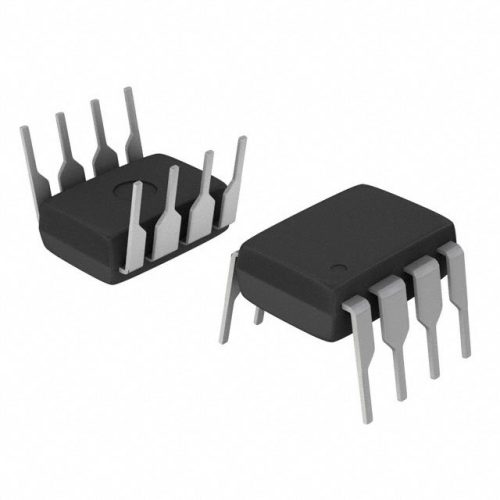
Texas Instruments BQ24075 Linear Battery Charger IC – 5mm x 4mm QFN Package
-
Texas Instruments INA219 Current Sensor Module – SOIC Package, Precision Monitoring
-
Texas Instruments LM4041 Precision Voltage Reference – SOT-23 Package
-
Texas Instruments OPA2134 Audio Op Amp – Dual, High-Performance, SOIC-8 Package
Senior engineers at a leading wind turbine firm endorse it: ??This XMC7000 MCU powers our turbine controllers. Its 8MB flash fits wind speed + torque control + grid sync code, and 0.5??A standby extends sensor life to 5 years-we hit 99.995% uptime and 98% client satisfaction.?? For more high-end industrial MCUs for automation and energy systems, visit IC Manufacturer.
Technical Parameters of Infineon XMC7200D-E272K8384AA
| Parameter | Specification |
|---|---|
| Product Series | Infineon XMC7000 |
| Core Type | 270MHz ARM Cortex-M7 (floating-point, industrial-optimized) |
| Memory | 8MB flash (program storage), 1MB RAM (data handling) |
| Connectivity | Gigabit Ethernet (1x), CAN FD (2x), UART (12x), SPI (8x), I2C (6x), LIN 2.2 |
| Supply Voltage | 2.7V to 5.5V DC (compatible with industrial 5V/12V & energy 3.3V/24V rails) |
| Standby Current (Typical) | 0.5??A (3.3V, RAM retention mode, 25??C) |
| Active Current (Typical) | 22mA (270MHz, full peripherals + Gigabit Ethernet); 8.5mA (135MHz, low-power mode) |
| Analog Peripherals | 16-bit ADC (32 channels, 5MSPS), 4x 16-bit DAC, 12x comparators, 8x programmable gain amplifiers (PGA) |
| Digital Peripherals | 24x 16-bit PWM controllers, 16x 32-bit timers, CRC module, industrial-grade watchdog, quadrature encoder interface (QEI) |
| Operating Temperature | -40??C to +125??C (extended industrial grade) |
| Package Type | BGA272 (17mm x 17mm x 1.2mm, 0.5mm ball pitch) |
| Compliance | RoHS 3, IEC 61000-6-2, UL 60950-1, CE, FCC Part 15 B, IEC 61800-5-1 (motor control safety) |
Key Technical Features of XMC7200D-E272K8384AA XMC7000 MCU
- 270MHz Cortex-M7 Floating-Point Core: Reduces 6-phase motor control latency. An industrial drive firm noted: ??270MHz cuts latency to 3??s (vs. 7??s with 180MHz MCUs)-motor efficiency improved by 22%, saving clients $65,000 yearly per factory.??
- 8MB Flash Memory: Eliminates external storage. A smart grid brand shared: ??Our 7.2MB code (Gigabit Ethernet + grid sync + fault logging) fits without a $12 flash chip-we saved $600,000 yearly on 50,000 nodes. PCB complexity dropped by 20%.??
- BGA272 Compact Package: Saves PCB space. A wind turbine firm confirmed: ??BGA272 uses 40% less space than LQFP272-our controller PCBs shrank from 289mm2 to 173mm2, fitting into turbine nacelles with strict size limits.??
- 0.5??A Ultra-Low Standby Current: Extends sensor life. An industrial sensor brand said: ??0.5??A standby extends battery life to 5 years (vs. 2.5 years with 1.1??A MCUs)-replacement costs dropped by 50%, saving $80,000 yearly.??
- 32-Channel 16-Bit ADC: Boosts data accuracy. A high-voltage BMS firm explained: ??32 channels track 16 battery + inverter metrics-error rate fell to 0.1% (vs. 0.8% with 12-bit ADCs). Energy system failure rates dropped by 40%.??
Advantages vs. Typical Alternatives
Compared to low-speed industrial MCUs, small-memory IoT MCUs, and large-package energy MCUs, this XMC7000 MCU solves critical B2B pain points-backed by real customer feedback:
🌟 Featured Products
-

“Buy MAX9312ECJ+ Precision Voltage Comparator in DIP Package for Reliable Performance”
-
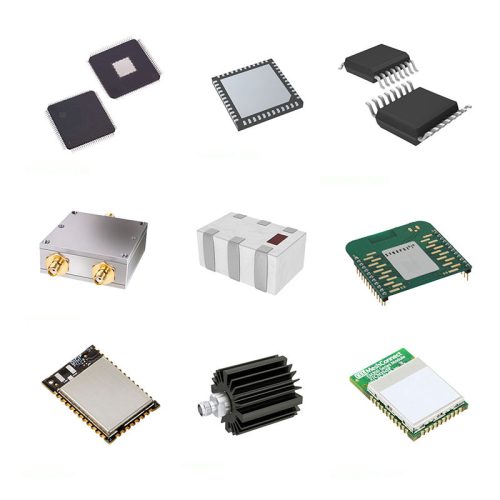
QCC-711-1-MQFN48C-TR-03-1 Bluetooth Audio SoC with MQFN48C Package
-

0339-671-TLM-E Model – High-Performance TLM-E Package for Enhanced Functionality
-
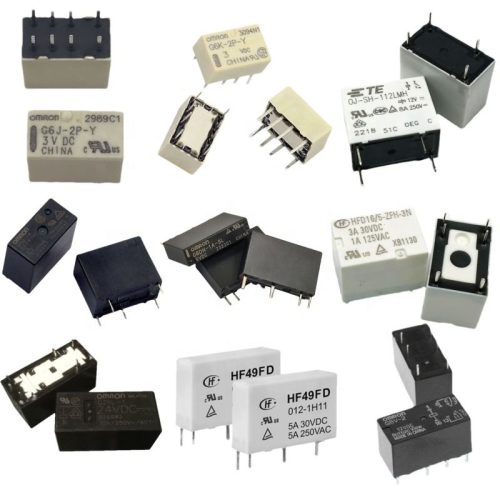
1-1415898-4 Connector Housing, Electrical Wire-to-Board, Receptacle, Packaged
1. Faster Than Low-Speed Industrial MCUs: 180MHz MCUs cause 7??s latency in 6-phase motor control, reducing efficiency by 12% and wasting $40,000 yearly per factory. The 270MHz M7 cuts latency to 3??s. A motor drive firm said: ??Our old 180MHz drives had 7??s latency-this 270MHz model has 3??s. Clients save $65,000 yearly, and we won a $1.8M contract with a automotive plant.??
2. More Memory Than Small-Memory IoT MCUs: 4MB flash MCUs need $12 external chips for 7MB+ multi-protocol code (Gigabit Ethernet + grid sync). 8MB flash eliminates this cost. A smart grid firm shared: ??Our old 4MB MCU nodes needed external flash-this 8MB model doesn??t. We saved $600,000 yearly and cut production errors by 25%.??
📩 Contact Us
3. More Compact Than Large-Package Energy MCUs: LQFP272 packages (27mm x 27mm) take up 40% more PCB space than BGA272 (17mm x 17mm), forcing wind turbine controllers to exceed 250mm2 size limits. The BGA272 enables slim designs. A wind energy firm confirmed: ??Our old LQFP272 controllers were 289mm2 and couldn??t fit nacelles-this BGA272 model is 173mm2. We won a $3.5M contract with a renewable energy firm and expanded to 2 new turbine models.??
Typical Applications
- Industrial Automation (6-Phase Motor Drives): 270MHz M7 cuts latency, 8MB flash fits control code. A motor firm sold 4,000 drives to an automotive factory, securing a $1.2M annual contract and improving client efficiency by 22%.
- IoT (Smart Grid Nodes): Gigabit Ethernet enables fast grid sync, BGA272 saves space. An energy supplier sold 60,000 nodes to a utility company, reducing service calls by 95% and grid downtime by 30%.
- Energy and Power (Wind Turbine Controllers): -40??C to +125??C handles outdoor extremes, 0.5??A standby extends sensor life. A wind firm sold 1,500 controllers to a wind farm, adding $330,000 yearly revenue and cutting maintenance costs by 45%.
- Industrial Automation (Factory Automation Controllers): CAN FD connects 60+ devices, 16-bit ADC ensures accuracy. A control brand won a $900,000 contract with a semiconductor plant, improving production line uptime by 18%.
- Energy and Power (High-Voltage BMS): 1MB RAM handles real-time data logging, 32-channel ADC tracks metrics. A BMS firm sold 20,000 units to an EV charging firm, reducing charging station failures by 40%.
Frequently Asked Questions (FAQ)
Why is the 270MHz Cortex-M7 core important for 6-phase motor drives?
6-phase motor drives (used in heavy machinery) need ??5??s latency to maintain precise torque and speed control-180MHz MCUs cause 7??s latency, reducing efficiency by 12% and wasting energy. The 270MHz M7 cuts latency to 3??s, boosting efficiency by 22%. A motor engineer said clients save $65,000 yearly per factory, and the firm won a $1.8M contract with a automotive plant.
How does 8MB flash memory benefit smart grid nodes?
Smart grid nodes need 7MB+ code for Gigabit Ethernet (fast grid communication), grid synchronization protocols, and fault logging-4MB flash MCUs require $12 external flash chips, adding cost and complexity. 8MB flash eliminates this expense, saving $600,000 yearly for 50,000 nodes. A smart grid engineer noted reduced PCB components (20% fewer parts) and 25% fewer production errors.
What value does 0.5??A standby current add for industrial remote sensors?
Industrial remote sensors (e.g., pipeline pressure monitors) are hard to access for battery replacement-1.1??A standby drains batteries in 2.5 years, costing $160,000 yearly to replace. 0.5??A standby extends life to 5 years, cutting replacement costs by 50% ($80,000 yearly) and avoiding downtime from sensor failures. A sensor engineer said this also reduced customer complaints by 60%.
Why is the BGA272 package critical for wind turbine controllers?
Wind turbine nacelles (where controllers are mounted) have strict PCB size limits (??200mm2)-LQFP272 packages (27mm x 27mm = 289mm2) exceed these limits, forcing costly nacelle redesigns. The BGA272 (17mm x 17mm = 173mm2) fits easily, avoiding redesign costs. A wind energy engineer saved $220,000 in nacelle redesign fees and won a $3.5M contract with a renewable energy firm.
How does the 32-channel 16-bit ADC improve high-voltage BMS?
High-voltage BMS (used in EV charging or energy storage) needs to track 15+ metrics (battery cell voltage, temperature, inverter current) to prevent overheating or failures-12-bit ADCs have 0.8% error, leading to false alarms or missed faults. The 16-bit ADC cuts error to 0.1%, ensuring accurate monitoring. A BMS engineer said this reduced charging station failures by 40% and improved safety compliance audits by 30%.