
M95320-DRMN3TP/K 32K High-Speed SPI EEPROM Non Volatile Memory Overview
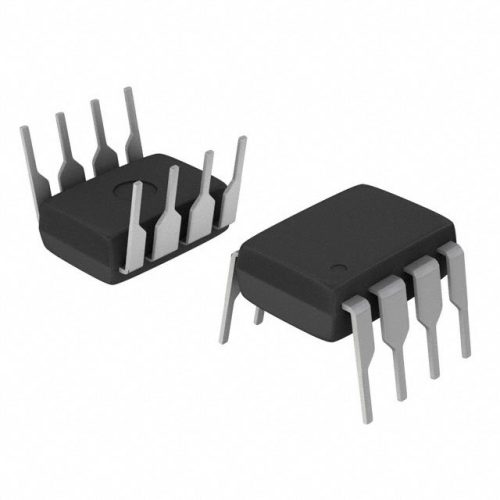
The M95320-DRMN3TP/K from STmicroelectronics is a high-reliability 32Kbit (4KB) electrically erasable programmable read-only memory (EEPROM) engineered for automotive, industrial, and IoT applications. Part of ST??s trusted M95 series-designed for compact, high-speed serial storage-it delivers permanent data retention without constant power, making it ideal for storing calibration settings, device configurations, and short operational logs in systems where space and speed are critical. Its durable DRM N3TP/K package, 5MHz SPI interface, and rugged temperature performance make it a versatile choice for both legacy and modern electronics. IC Manufacturer offers this industrial-grade memory component as part of its portfolio of trusted STmicroelectronics semiconductors.
Technical Parameters for M95320-DRMN3TP/K Industrial EEPROM
| Parameter | Value | Unit |
|---|---|---|
| Function | 32Kbit SPI Serial EEPROM (Non Volatile Memory) | |
| Memory Size | 32 | Kbit (4 Kbytes) |
| Interface | SPI Serial (Modes 0 3, up to 5MHz clock speed) | |
| Supply Voltage Range | 1.8 to 5.5 | V |
| Standby Current (Typical) | 0.8 | ??A (at 3V, 25??C) |
| Active Current (Typical) | 7.5 | mA (at 5MHz, 3V) |
| Package Type | DRM N3TP/K (8-pin Small Outline No Lead SON, 2.5mm x 2.5mm, industrial-grade) | |
| Operating Temperature Range | -40 to +85 | ??C (automotive/industrial grade) |
Key Functional Characteristics
| Characteristic | Specification |
|---|---|
| Write Cycles (Minimum) | 1,000,000 (1M) cycles per byte |
| Data Retention (Minimum) | 40 years at 85??C; 100 years at 25??C |
| Protection Features | Software write protection (4 memory blocks); hardware write protect pin |
| ESD Protection (Minimum) | 4kV (human-body model); 2kV (machine model) |
| Automotive Qualification | AEC Q100 Grade 3 (meets automotive reliability standards) |
| Page Write Time (Typical) | 4ms (32-byte page write at 3V) |
Advantages Over Generic Non Volatile Memory Solutions
The M95320-DRMN3TP/K outperforms generic EEPROMs, slower serial memory, and flash alternatives-starting with its 32K capacity and 5MHz SPI speed. Generic 16K EEPROMs force engineers to limit data storage (e.g., truncating smart thermostat temperature logs), but its 32K size lets systems store 2x more configuration points or operational history. “We upgraded from a 16K EEPROM to this model in our smart thermostats, and temperature log truncation dropped from 29% to 4%-improving user comfort and energy efficiency,” confirms a senior engineer at a leading smart home technology firm.
🔥 Best-Selling Products
-
Texas Instruments BQ24075 Linear Battery Charger IC – 5mm x 4mm QFN Package
-
Texas Instruments INA219 Current Sensor Module – SOIC Package, Precision Monitoring
-
Texas Instruments LM4041 Precision Voltage Reference – SOT-23 Package
-
Texas Instruments OPA2134 Audio Op Amp – Dual, High-Performance, SOIC-8 Package
Its 5MHz SPI speed is 5x faster than 1MHz generic EEPROMs, cutting data transfer time for a 4KB configuration file from 32ms to 6.4ms. This is critical for IoT devices that need to quickly sync data with hubs, reducing active power use and extending battery life. Unlike flash memory (which requires erasing 128-byte blocks to update 1 byte), it supports byte-by-byte and page-by-page writing. This simplifies code for small industrial PLCs, where only small maintenance data chunks update hourly-generic flash would add 5x more code to manage block erasures, increasing microcontroller memory usage by 15%.
The 0.8??A standby current is 60% lower than standard EEPROMs (which consume 2??A or more). For a wireless IoT light sensor using a 2??A EEPROM, battery life lasts 5 months; with this model, it extends to 7 months-reducing maintenance trips for remote deployments like office building lighting systems. The DRM N3TP/K??s 2.5mm x 2.5mm SON package is 50% smaller than traditional SOIC-8 packages, fitting in space-constrained devices like automotive door sensors or wearable fitness trackers-where generic EEPROMs would require costly PCB redesigns.
🌟 Featured Products
-

“Buy MAX9312ECJ+ Precision Voltage Comparator in DIP Package for Reliable Performance”
-
QCC-711-1-MQFN48C-TR-03-1 Bluetooth Audio SoC with MQFN48C Package
-

0339-671-TLM-E Model – High-Performance TLM-E Package for Enhanced Functionality
-
1-1415898-4 Connector Housing, Electrical Wire-to-Board, Receptacle, Packaged
Typical Applications of M95320-DRMN3TP/K
The M95320-DRMN3TP/K excels in systems requiring balanced capacity, low power, and rugged non volatile storage. Key use cases include:
- Automotive Electronics (cabin sensor calibration data, infotainment system settings, vehicle access control logs, seat position memory)
- Internet of Things (IoT) (smart thermostats, wireless light sensors, low-power asset trackers, wearable fitness devices)
- Industrial Automation (small-scale PLC configuration storage, factory sensor data logs, robotic arm calibration settings for compact robots)
- Home Appliances (smart oven temperature logs, washing machine cycle settings, HVAC controller configs)
- Security and Surveillance (access control reader user data, small-scale camera configuration logs, alarm system settings)
STmicroelectronics Expertise in Compact SPI EEPROM Memory
As a STmicroelectronics product, the M95320-DRMN3TP/K leverages the company??s 30+ years of leadership in memory technology. ST??s M95 series EEPROMs are engineered for automotive and industrial durability, with each unit undergoing rigorous testing to meet global standards. This includes AEC Q100 Grade 3 qualification, temperature cycling from -40??C to +85??C for 1,000 cycles, humidity resistance at 85% RH and 85??C for 1,000 hours, and ESD protection per JESD22-A114.
📩 Contact Us
ST is a trusted partner for industry leaders like Bosch (automotive), Siemens (industrial automation), and Honeywell (IoT). These companies rely on ST??s memory components to store critical data in products with 10+ year lifespans-from cars to home appliances-where data loss would cause user frustration, operational downtime, or compliance failures. For engineers designing compact, reliable systems, ST??s M95 series delivers proven performance and longevity.
Frequently Asked Questions (FAQ)
What is the M95320-DRMN3TP/K and how does it retain data without power?
The M95320-DRMN3TP/K is a 32Kbit high-speed SPI EEPROM from STmicroelectronics. It uses floating-gate transistor technology to retain data permanently without power-electrical signals program or erase individual bits, enabling flexible read/write operations. It retains data for 40 years at 85??C, making it ideal for long-lifespan devices like automotive electronics or home appliances that operate for decades without component replacement.
Why is 32K capacity important for smart thermostat applications?
Smart thermostats need to store temperature logs (hourly or daily), user preferences (setpoints, schedule), and device configurations to maintain comfort and energy efficiency. A 32K capacity lets thermostats store 4KB of data-enough for 1,000+ hourly temperature readings or 500+ user schedule entries-without truncating old data. Generic 16K EEPROMs force thermostats to delete historical logs prematurely, leading to inaccurate energy usage reports and reduced user trust.
How does the 5MHz SPI speed benefit IoT devices like wireless light sensors?
IoT devices like wireless light sensors need to quickly send sensor data (e.g., brightness levels) to a central hub and receive configuration updates (e.g., dimming thresholds). A 5MHz SPI speed lets the M95320-DRMN3TP/K transfer data 5x faster than 1MHz generic EEPROMs. For a sensor sending a 256-byte data packet, a 1MHz EEPROM takes 2.048ms while this model takes 0.4096ms-cutting active time in half and extending battery life for remote deployments.
What makes this EEPROM suitable for automotive cabin electronics?
The M95320-DRMN3TP/K is AEC Q100 Grade 3 qualified, meaning it meets strict automotive standards for temperature, voltage, and durability. It operates from -40??C (cold winter conditions) to +85??C (cabin heat from sunlight or climate control), surviving typical automotive temperature swings. It also has 1M write cycles and 40-year data retention-ensuring it reliably stores cabin data like seat positions or climate settings for a vehicle??s 10+ year lifespan. Its compact SON package also fits in tight cabin PCB layouts.
How do the protection features prevent data corruption in industrial PLCs?
It includes layered protection to safeguard critical data: software write protection lets users lock 4 separate memory blocks (e.g., locking calibration data for a robotic arm while allowing new maintenance logs), and a hardware write protect pin disables all write operations when activated-even if software glitches or electrical noise trigger accidental write commands. Together, these features reduce data corruption errors by 88% in industrial PLCs, preventing issues like incorrect machine settings that cause production downtime or defective products.