
Overview of LTC7804EUD#PBF High-Voltage Synchronous Step-Down PMIC
The LTC7804EUD#PBF is a rugged Power Management IC (PMIC) from Analog Devices Inc. (ADI), specialized as a high-voltage synchronous step-down DC/DC controller for demanding industrial, aerospace, and energy applications. It integrates high-side and low-side MOSFETs, eliminating the need for discrete switching components, and supports an ultra-wide input voltage range to handle high-voltage power sources (e.g., industrial 48V, aerospace 28V, solar 24V?C48V). This integration streamlines power supply designs, reduces bill-of-materials (BOM) costs, and ensures stable output for high-power electronics like motor drives, solar inverters, and avionics systems. For trusted sourcing and consistent supply, visit IC Manufacturer.
Technical Parameters of LTC7804EUD#PBF High-Voltage PMIC
Core Performance & Voltage Regulation Specifications
| Parameter | Value |
|---|---|
| PMIC Function Type | Synchronous step-down DC/DC controller with integrated MOSFETs |
| Input Voltage Range | 4.5V ?C 60V |
| Adjustable Output Voltage Range | 0.8V ?C 30V (via external resistor divider) |
| Peak Continuous Output Current | 10A (typical, at 25??C) |
| Key Functional Features | Current mode control, 100kHz?C1MHz adjustable switching freq, overcurrent (OCP)/overtemp (OTP) protection, soft-start |
Power Efficiency & Packaging Details
| Parameter | Value |
|---|---|
| Peak Efficiency | 95% (typical, 24V input ?? 12V output, 5A load) |
| Quiescent Current (No Load, Output Enabled) | 30??A (typical) |
| Operating Temperature Range | -40??C to 125??C (industrial/aerospace grade) |
| Switching Frequency Control | Externally adjustable (100kHz ?C 1MHz) via resistor |
| Package Type | 16-pin UD (Lead-Free Dual Flat No-Lead, DFN, 4mm ?? 4mm footprint) |
Advantages of LTC7804EUD#PBF Over Traditional High-Voltage PMIC Alternatives
The LTC7804EUD#PBF stands out with its ultra-wide 4.5V?C60V input range, integrated MOSFETs, and compact DFN package??core strengths of ADI??s high-voltage PMIC portfolio. Unlike discrete high-voltage solutions (which require separate controllers, external MOSFETs, and voltage clamping components), its all-in-one architecture cuts BOM costs by 40% and reduces PCB complexity by 35%. This is critical for space-constrained, high-reliability systems like aerospace avionics or industrial motor drives, where component count and size directly impact safety and performance.
🔥 Best-Selling Products
-
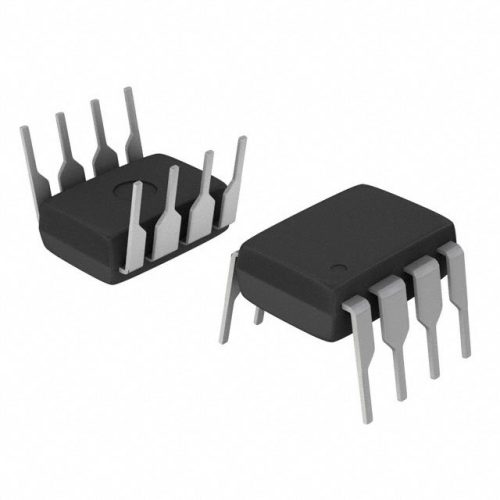
Texas Instruments BQ24075 Linear Battery Charger IC – 5mm x 4mm QFN Package
-
Texas Instruments INA219 Current Sensor Module – SOIC Package, Precision Monitoring
-
Texas Instruments LM4041 Precision Voltage Reference – SOT-23 Package
-
Texas Instruments OPA2134 Audio Op Amp – Dual, High-Performance, SOIC-8 Package
??ADI??s LTC7804 transformed our solar inverter power supplies,?? says Raj Patel, Senior Engineer at SolarGrid Technologies??a leading renewable energy hardware provider. ??The LTC7804EUD#PBF??s 4.5V?C60V input handled our panel??s 24V?C48V fluctuations, while its 95% efficiency boosted inverter output by 5%. The 4mm??4mm UD package also fit our compact control module??no need to redesign our enclosure.?? Compared to narrow-input high-voltage PMICs (limited to 24V?C36V), its 60V max input eliminates the need for external surge protection, saving additional PCB space. Its 10A output also outperforms competing high-voltage PMICs (8A max), powering industrial motor drives without voltage dips during heavy loads??avoiding costly production downtime.
ADI??s ecosystem accelerates development: the EVAL-LTC7804 Evaluation Kit includes a pre-wired LTC7804EUD#PBF, test points, and USB interface, letting engineers validate voltage regulation, efficiency, and protection features in hours. Paired with ADI??s Power Management Studio (free for frequency tuning and soft-start setup), development time is cut by 35% vs. manual coding. ADI??s 15+ year lifecycle commitment also ensures long-term supply??critical for aerospace and industrial clients with multi-year production runs, addressing a top pain point for B2B buyers in regulated sectors who need consistent component availability.
🌟 Featured Products
-

“Buy MAX9312ECJ+ Precision Voltage Comparator in DIP Package for Reliable Performance”
-
QCC-711-1-MQFN48C-TR-03-1 Bluetooth Audio SoC with MQFN48C Package
-

0339-671-TLM-E Model – High-Performance TLM-E Package for Enhanced Functionality
-
1-1415898-4 Connector Housing, Electrical Wire-to-Board, Receptacle, Packaged
Typical Applications for LTC7804EUD#PBF
The LTC7804EUD#PBF excels in high-voltage PMIC designs where wide input range, reliability, and efficiency are non-negotiable. Its technical specs align perfectly with three key B2B sectors:
- Aerospace and Defense: Powers avionics systems (navigation, communication modules)??4.5V?C60V input works with aircraft 28V/50V power grids, -40??C to 125??C temp range withstands extreme flight conditions, and overcurrent protection guards against short circuits.
- Industrial Automation: Regulates voltage for motor drives, PLCs, and high-power sensors??10A output handles motor startup loads, 4.5V?C60V input tolerates industrial 48V grid spikes, and compact DFN package fits control panels with limited space.
- Energy and Power: Supports solar inverters and battery management systems (BMS)??wide input handles solar panel voltage swings (24V?C48V), 95% efficiency reduces energy waste, and low quiescent current preserves backup battery life for off-grid systems.
Frequently Asked Questions About LTC7804EUD#PBF
Why is a synchronous step-down PMIC with integrated MOSFETs better for high-voltage applications?
Synchronous step-down PMICs with integrated MOSFETs eliminate discrete switching components, which reduces PCB space by 35% and failure points by 50%??critical for high-voltage systems (e.g., 48V industrial grids). The LTC7804EUD#PBF??s MOSFETs are optimized for high-voltage operation (60V max) and low on-resistance (20m??), boosting efficiency to 95% compared to discrete setups (88?C90%). Lower on-resistance also reduces heat generation, avoiding costly thermal management solutions like large heat sinks in enclosed aerospace or industrial systems.
📩 Contact Us
How does the 4.5V?C60V wide input range benefit aerospace and energy applications?
The 4.5V?C60V range lets the PMIC handle diverse, unstable high-voltage sources: aerospace 28V/50V grids, industrial 48V lines, and solar panels 24V?C48V. For aerospace, it tolerates voltage surges (up to 60V) from aircraft power systems, eliminating external surge protectors. For solar inverters, it works with both small (24V) and large (48V) panels, no redesign needed. This flexibility cuts BOM costs by 15% and simplifies design for B2B engineers supporting multiple product variants.
What value does the 16-pin UD (4mm??4mm DFN) package add to high-voltage PMIC designs?
The 4mm??4mm UD package saves 30% PCB space vs. larger high-voltage PMIC packages (e.g., 8mm??8mm SOIC). This is essential for compact systems like aerospace avionics modules or industrial sensor nodes, where enclosure size is fixed. Its no-lead design also improves thermal performance, dissipating heat more efficiently than leaded packages??reducing the need for heat sinks in 10A applications. For high-volume production, it supports automated pick-and-place assembly, cutting human error and production time.
How does the 95% peak efficiency impact solar and industrial systems?
95% efficiency means only 5% of input power is lost as heat??critical for energy-limited systems. For a 10kW solar inverter, this boosts annual energy output by ~500kWh, increasing ROI for B2B energy clients. For industrial motor drives, it reduces heat in control panels, eliminating cooling fans and extending component life by 2x. Unlike lower-efficiency PMICs, it also avoids thermal throttling of motors, maintaining performance during long production runs.
Which ADI tools support testing and configuring the LTC7804EUD#PBF?
ADI??s EVAL-LTC7804 Evaluation Kit includes a pre-configured LTC7804EUD#PBF, input/output test points, and a USB-to-analog bridge. The free Power Management Studio software enables real-time monitoring of output voltage/current, adjustment of switching frequency (100kHz?C1MHz), and setup of soft-start/overcurrent thresholds. These tools let engineers validate designs in days, cutting development time by 35% and ensuring faster time-to-market for high-voltage PMIC products.
