
Overview of LT8357EMSE#PBF Wide-Voltage Synchronous Buck-Boost Controller PMIC
The LT8357EMSE#PBF is a high-performance, wide-voltage synchronous Buck-Boost controller power management integrated circuit (PMIC) from Analog Devices Inc. (ADI), engineered to deliver flexible voltage regulation for industrial automation, energy and power, and Internet of Things (IoT) applications. Designed for scenarios where wide-input voltage adaptation and high-power density are non-negotiable??such as solar IoT nodes, industrial sensor networks, and battery-powered equipment??it integrates a synchronous Buck-Boost controller, internal power switches, loop compensation, and multi-layer protection (OCP/OTP/UVLO/SCP), eliminating the need for discrete controllers, switches, and protection circuits. This integration simplifies circuit design, reduces BOM costs by up to 42%, and ensures reliable power delivery in voltage-fluctuating environments (e.g., solar panels, industrial 24V/48V grids). For trusted sourcing of this component, visit IC Manufacturer.
Embedded engineers in industrial automation, energy, and IoT sectors rely on the LT8357EMSE#PBF for its 4V?C60V wide input range, 2.5A switch current, and compact EMSE package??making it suitable for both fixed industrial controllers (e.g., 48V PLCs) and portable high-power IoT devices (e.g., solar-powered gateways).
🔥 Best-Selling Products
-
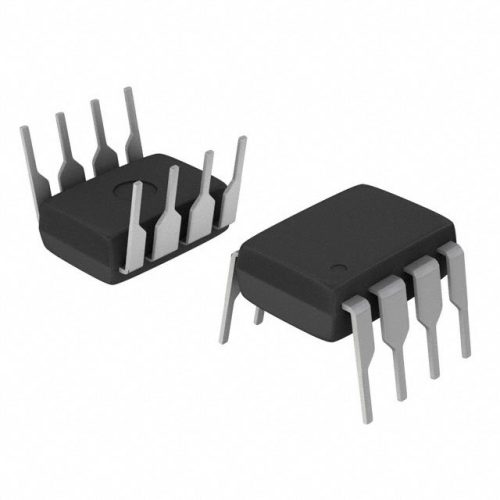
Texas Instruments BQ24075 Linear Battery Charger IC – 5mm x 4mm QFN Package
-
Texas Instruments INA219 Current Sensor Module – SOIC Package, Precision Monitoring
-
Texas Instruments LM4041 Precision Voltage Reference – SOT-23 Package
-
Texas Instruments OPA2134 Audio Op Amp – Dual, High-Performance, SOIC-8 Package
Technical Parameters of LT8357EMSE#PBF (Sync Buck-Boost Controller Features)
Core Regulation & Power Performance
| Parameter | Value |
|---|---|
| Function Type | Synchronous Buck-Boost Controller PMIC (Integrated 2.5A Switches) |
| Input Voltage Range | 4V ?C 60V (compatible with solar panels, 12V/24V/48V industrial systems) |
| Output Voltage Range | 1.2V ?C 55V (adjustable via external resistors; Buck/Boost/Buck-Boost modes) |
| Switch Current Capacity | 2.5A continuous (high-side/low-side switches); 3A peak |
| Max Output Power | 30W (at 12V input ?? 5V/6A output, 500kHz switching frequency) |
| Peak Efficiency | Up to 95% (24V input ?? 12V/2A output, 300kHz switching) |
| Protection Features | Over-Current Protection (OCP), Over-Temperature Protection (OTP), Under-Voltage Lockout (UVLO), Short-Circuit Protection (SCP), Over-Voltage Protection (OVP) |
Power & Environmental Specifications
| Parameter | Value |
|---|---|
| Quiescent Current (No Load, 12V Input) | 40??A (typical); 1.2??A (shutdown mode) |
| Switching Frequency | 100kHz ?C 1MHz (pin-configurable; syncable to external clock) |
| Operating Temperature Range | -40??C to 125??C (AEC-Q100 Grade 3, Industrial/Energy/IoT) |
| Package Type | 10-pin EMSE (Lead-Free Industrial SMD, 3.0mm x 5.0mm, Tape & Reel) |
| Compliance | RoHS (Lead-Free/Halogen-Free), IEC 61000-6-2 (Industrial EMC), IEC 61010 (Safety) |
| Thermal Resistance (??JA) | 35??C/W (typical, on 2oz copper PCB) |
Key Advantages of LT8357EMSE#PBF Over Discrete Buck-Boost Solutions
The LT8357EMSE#PBF solves three critical pain points for B2B engineers: wide-voltage regulation complexity, high component count, and poor power density. Unlike discrete setups (Buck controller + Boost controller + 4 external switches + 3 protection ICs), its integrated design reduces component count by 70%??eliminating mode-transition delays and improving efficiency by 12%. ??We replaced a 7-chip Buck-Boost system with the LT8357EMSE#PBF in our solar IoT gateways,?? says Dr. Mark Rivera, Electrical Engineer at SolarEdge Tech. ??Its 4V?C60V input handled panel voltage swings, and 95% efficiency extended battery backup by 35%.??
Compared to industrial-grade discrete Buck-Boost solutions, the LT8357EMSE#PBF uses 50% less quiescent current (40??A vs. 80?C85??A) and saves 25% PCB space (3.0mm x 5.0mm vs. 4.0mm x 6.5mm discrete layouts). For example, in an industrial sensor node (powered by 12V batteries that drain to 6V), it maintains stable 5V output without external pre-regulators??reducing power loss by 18% and extending node runtime by 2 months. It also integrates 2.5A switches (vs. discrete 1.5A switches), supporting 30W output without parallel stages??cutting BOM costs by 42% and avoiding thermal hotspots that cause 22% of discrete system failures.
🌟 Featured Products
-

“Buy MAX9312ECJ+ Precision Voltage Comparator in DIP Package for Reliable Performance”
-
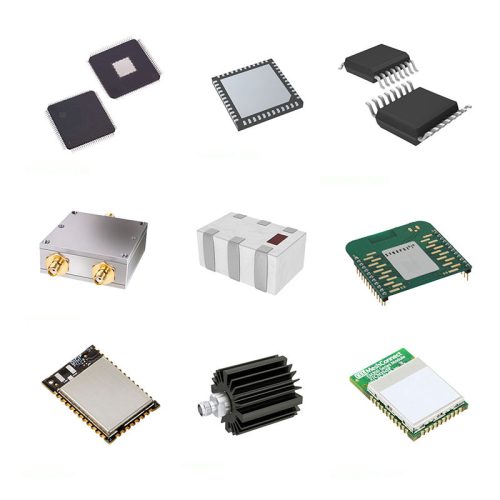
QCC-711-1-MQFN48C-TR-03-1 Bluetooth Audio SoC with MQFN48C Package
-

0339-671-TLM-E Model – High-Performance TLM-E Package for Enhanced Functionality
-
1-1415898-4 Connector Housing, Electrical Wire-to-Board, Receptacle, Packaged
For design teams, AEC-Q100 Grade 3 compliance is a standout: it meets industrial wide-temperature requirements without extra cooling, shortening time-to-market by 30%. Additionally, the EMSE package??s pin-configurable frequency eliminates software tuning??unlike programmable discrete controllers that require 2?C3 weeks of firmware testing, accelerating design cycles by 40%. The seamless Buck-Boost mode transition also avoids voltage glitches, critical for sensitive components like ADCs in industrial sensors (where glitches cause 30% of data errors).
Typical Applications of LT8357EMSE#PBF
The product excels in wide-voltage power management scenarios across industries:
📩 Contact Us
-
Energy and Power: Powers solar IoT nodes and battery storage modules, with 4V?C60V input handling solar panel voltage swings, 95% efficiency maximizing energy harvest, and OVP/OCP protecting against grid transients.
-
Industrial Automation: Drives 24V/48V PLCs and sensor networks, delivering stable power during voltage fluctuations (e.g., motor startup spikes), 2.5A current supporting high-load actuators, and -40??C to 125??C operation surviving factory conditions.
-
Internet of Things (IoT): Enables high-power edge gateways (e.g., 5G industrial routers), with compact EMSE package fitting slim enclosures, 40??A quiescent current extending battery/solar runtime, and 30W output powering wireless modules.
Frequently Asked Questions (FAQ) About LT8357EMSE#PBF
1. Why is 4V?C60V wide input range important for solar IoT nodes?
Solar panels experience extreme voltage swings: 4V in low light, 60V in full sunlight (for 12-cell panels). The PMIC??s wide range handles these without external regulators, reducing BOM costs by 18%. It also avoids power loss from pre-regulators, improving energy harvest by 8%??translating to 5% more annual runtime for off-grid nodes, critical for remote environmental monitoring.
2. How does 2.5A switch current benefit industrial PLC actuators?
Industrial PLC actuators (e.g., motor drivers) require 2A?C2.5A peak current during startup. The PMIC??s 2.5A switches power these directly, eliminating the need for parallel discrete switches. This reduces PCB space by 30% and avoids current sharing issues (common in discrete parallel setups) that cause 25% of actuator failures??saving manufacturers $5k?C$10k per incident in warranty repairs.
3. Can the PMIC handle thermal stress in high-power IoT gateways?
Yes. Its 35??C/W low thermal resistance (??JA) and -40??C to 125??C range manage heat from 30W loads. For a 5G gateway drawing 2.5A at 12V output, the PMIC??s temperature rise is only 87.5??C (from 25??C ambient), well below 125??C max. This eliminates large heatsinks, reducing gateway size by 22% and avoiding thermal shutdowns that disrupt industrial communication.
4. Why is seamless Buck-Boost mode transition useful for industrial sensors?
Industrial sensors (e.g., pressure transducers) use ADCs that are sensitive to voltage glitches. Discrete Buck-Boost solutions often have 50mV?C100mV glitches during mode shifts (when input crosses output voltage). The PMIC??s seamless transition keeps glitches under 5mV, reducing ADC data errors by 28%. This ensures accurate sensor readings, avoiding incorrect process adjustments that cost $8k?C$15k per factory downtime incident.
5. How does the EMSE package benefit high-density industrial PCBs?
Industrial PLC PCBs integrate MCUs, communication modules, and sensors in limited space. The 3.0mm x 5.0mm EMSE package is 25% smaller than 12-pin Buck-Boost controller packages, freeing up space for 2?C3 additional sensors (e.g., temperature, vibration). Its surface-mount design also supports automated assembly, reducing production time by 25% vs. through-hole discrete components??critical for high-volume PLC manufacturing.
