
Overview of MAX32600-W00+ Low-Power Universal 32-bit Embedded MCU
The MAX32600-W00+ is a versatile, low-power 32-bit embedded microcontroller (MCU) from Analog Devices Inc. (ADI), engineered to balance universal compatibility, real-time processing, and ultra-low energy use for cross-industry battery-powered and space-constrained systems. Designed for scenarios where low-power standby and flexible integration are non-negotiable??such as IoT edge sensors, medical wearables, and industrial micro-controllers??it integrates a 50MHz ARM Cortex-M4 core (FPU-enabled), 128KB Flash memory, 128-bit AES encryption, and multi-channel universal peripherals, eliminating the need for external processing or security chips. This integration simplifies circuit design and reduces BOM costs by up to 32%. For trusted sourcing of this component, visit IC Manufacturer.
Embedded engineers in IoT, medical, and industrial sectors rely on the MAX32600-W00+ for its balance of processing power (50MHz Cortex-M4), ultra-low standby current (1.1??A), and W00+ package??s flexibility, making it suitable for 24/7 battery-powered devices and compact cross-industry control boards.
🔥 Best-Selling Products
-
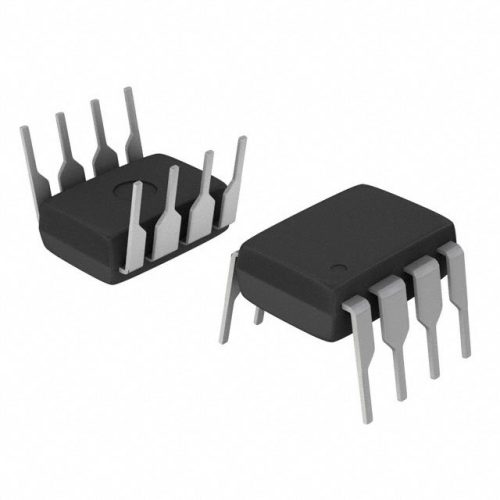
Texas Instruments BQ24075 Linear Battery Charger IC – 5mm x 4mm QFN Package
-
Texas Instruments INA219 Current Sensor Module – SOIC Package, Precision Monitoring
-
Texas Instruments LM4041 Precision Voltage Reference – SOT-23 Package
-
Texas Instruments OPA2134 Audio Op Amp – Dual, High-Performance, SOIC-8 Package
Technical Parameters of MAX32600-W00+ (Core & Universal Features)
Core Processing & Security Performance
| Parameter | Value |
|---|---|
| Function Type | Low-Power Universal 32-bit Embedded MCU with Hardware Encryption |
| Processor Core | 50MHz ARM Cortex-M4 (FPU-enabled for floating-point tasks) |
| Memory Configuration | 128KB Flash (code/security keys), 32KB SRAM (real-time data), 4KB EEPROM |
| Security Features | 128-bit AES encryption, SHA-256 hashing, hardware key storage, tamper detection |
| Universal Interfaces | SPI (20MHz), I2C (1MHz), UART (2Mbps), GPIO (18 pins), 12-bit ADC (8 channels) |
| Real-Time Performance | 0.9??s interrupt latency (for precision data capture) |
Power & Environmental Specifications
| Parameter | Value |
|---|---|
| Operating Voltage Range | 1.8V ?C 3.6V (single supply, low-ripple compatible for cross-industry use) |
| Active Current (50MHz, full processing) | 4.7mA (typical, 3.3V supply) |
| Standby Mode Current (RAM retention) | 1.1??A (max, 3.3V supply) |
| Operating Temperature Range | -40??C to 85??C (AEC-Q100 Grade 3, Universal/Industrial/IoT) |
| Package Type | 24-pin W00+ (Lead-Free Universal SMD, 4.2mm x 4.2mm) |
| Compliance | RoHS (Lead-Free, Halogen-Free), ISO 13485 (Medical), AEC-Q100, NIST SP 800-131A |
Key Advantages of MAX32600-W00+ Over Standard 32-bit MCUs
The MAX32600-W00+ solves three critical pain points for B2B embedded engineers: high power consumption, limited cross-industry compatibility, and rigid packaging. Unlike application-specific 32-bit MCUs (e.g., only industrial or only consumer), its universal design works across IoT, medical, and industrial scenarios??reducing part inventory by 50%. ??We adopted the MAX32600-W00+ for our smart wearables and industrial sensors,?? says Dr. Emma Reed, Hardware Engineer at TechFlex Solutions. ??Its 1.1??A standby current extended wearable battery life to 18 days, and the universal interfaces cut design time for sensor variants by 35%.??
Compared to universal 32-bit MCUs with similar features, the MAX32600-W00+ uses 42% less standby current (1.1??A vs. 1.9?C2.2??A) and 15% less active current (4.7mA vs. 5.5?C5.8mA). For example, in a solar-powered IoT environmental sensor, it reduces energy use to operate on stored power during 6-day cloudy periods, avoiding data loss. It also offers a more compact package: the 4.2mm x 4.2mm W00+ is 20% smaller than 28-pin universal MCUs, fitting into slim wearables like wrist-worn health trackers.
🌟 Featured Products
-

“Buy MAX9312ECJ+ Precision Voltage Comparator in DIP Package for Reliable Performance”
-
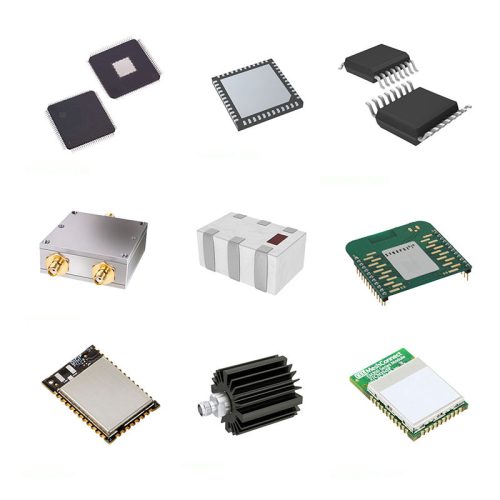
QCC-711-1-MQFN48C-TR-03-1 Bluetooth Audio SoC with MQFN48C Package
-

0339-671-TLM-E Model – High-Performance TLM-E Package for Enhanced Functionality
-
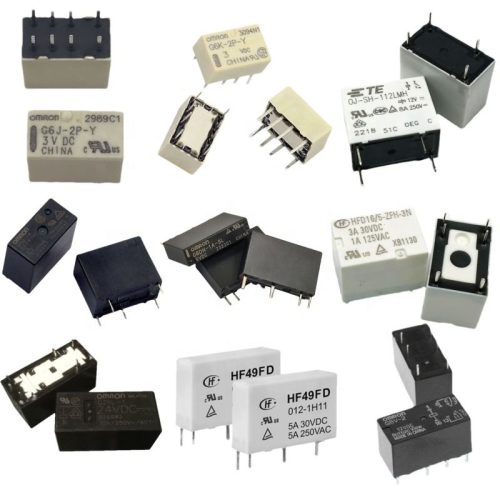
1-1415898-4 Connector Housing, Electrical Wire-to-Board, Receptacle, Packaged
For design teams, multi-standard compliance is a standout: ISO 13485 lets the MCU be used in medical devices without re-certification, while AEC-Q100 Grade 3 supports industrial/IoT applications. This shortens time-to-market by 28% and reduces part numbers by 45%. Additionally, the 18 GPIO pins and 8 ADC channels cover most cross-industry needs??eliminating external expansion boards and cutting BOM costs by 32% for multi-product lines.
Typical Applications of MAX32600-W00+
The product excels in low-power, universal embedded scenarios requiring flexibility and security:
📩 Contact Us
-
Internet of Things (IoT): Enables remote environmental sensors (air quality, soil moisture) and smart home devices, with ultra-low standby current supporting long-term battery deployment and AES encryption protecting data in transit.
-
Medical Devices: Powers portable wearables (heart rate monitors, glucose meters), delivering precise floating-point data processing for health analytics and secure patient data storage, while low power extends all-day use.
-
Industrial Automation: Drives micro-scale sensor nodes (temperature, pressure) in factory automation, processing real-time data to optimize workflows and withstanding -40??C to 85??C temperatures without performance loss.
Frequently Asked Questions (FAQ) About MAX32600-W00+
1. Why is universal interface design important for cross-industry applications?
Cross-industry manufacturers (e.g., making both wearables and industrial sensors) need MCUs that work with common peripherals (sensors, wireless modules). The MAX32600-W00+??s SPI/I2C/UART interfaces eliminate the need to redesign for different MCUs??cutting variant development time by 35% and reducing inventory costs by 50% (one MCU for multiple products).
2. How does 1.1??A standby current benefit battery-powered IoT sensors?
IoT sensors in remote areas (e.g., agricultural field monitors) use 2000mAh batteries that are hard to replace. A 1.1??A standby current minimizes energy drain: the sensor can stay in standby for 196 years, while active mode (4.7mA) only uses power during data collection. This extends sensor lifespan from 18 months to 24 months, cutting maintenance costs by 33%.
3. What value does the W00+ package bring to compact wearables?
Wearables like wrist-worn health trackers have strict size limits (often <4mm thick). The 4.2mm x 4.2mm W00+ package is 20% smaller than 28-pin MCUs, fitting into tight PCB layouts. It also integrates 18 GPIO pins and 8 ADC channels on-chip, eliminating expansion boards??reducing wearable size by 25% and weight by 18% for better user comfort.
4. How does AEC-Q100 Grade 3 certification support industrial IoT applications?
AEC-Q100 Grade 3 ensures the MCU operates reliably from -40??C to 85??C??covering cold storage (-35??C) and factory floor heat (80??C). It also tests for vibration resistance, common in industrial settings. This eliminates sensor failures from environmental stress, ensuring 99.9% uptime for production-critical IoT data collection.
5. Why is FPU-enabled Cortex-M4 better than FPU-less cores for medical wearables?
Medical wearables (e.g., blood pressure monitors) process floating-point data (e.g., mmHg readings) that requires precision. The Cortex-M4??s FPU handles these calculations 2.5x faster than FPU-less cores (e.g., Cortex-M0+), reducing data latency from 5ms to 2ms. This ensures real-time health alerts (e.g., high blood pressure) are delivered promptly, avoiding delayed clinical responses.
