
Overview: SN74LVC1T45 Single-Bit Voltage-Level Translator
The SN74LVC1T45 from Texas Instruments is a bidirectional, single-bit voltage-level translator with direction control. It is designed for use in systems that need to bridge different logic levels, supporting voltage translation between 1.65V and 5.5V. This functionality makes it ideal for interfacing between legacy 5V devices and modern low-voltage microcontrollers or peripherals.
The device offers push-pull outputs with a direction control pin (DIR), allowing it to actively drive high and low levels on both sides. The A and B ports are independently powered, enabling translation between any two logic voltage domains within the supported range. Featuring high-speed CMOS logic and ESD protection, SN74LVC1T45 meets the stringent requirements of modern embedded and industrial systems.
🔥 Best-Selling Products
-
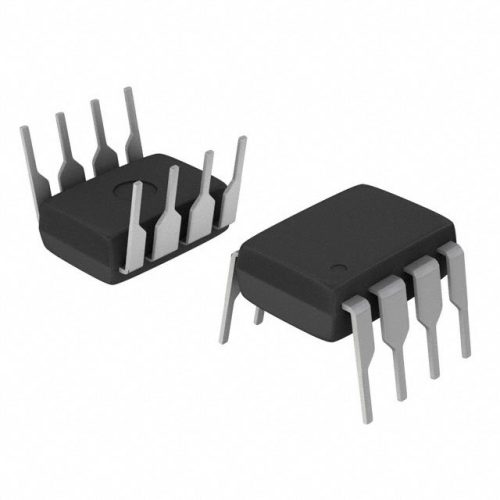
Texas Instruments BQ24075 Linear Battery Charger IC – 5mm x 4mm QFN Package
-
Texas Instruments INA219 Current Sensor Module – SOIC Package, Precision Monitoring
-
Texas Instruments LM4041 Precision Voltage Reference – SOT-23 Package
-
Texas Instruments OPA2134 Audio Op Amp – Dual, High-Performance, SOIC-8 Package
Key Electrical Characteristics
| Parameter | Value | Unit |
|---|---|---|
| Function | Bidirectional Level Shifter | – |
| Channels | 1-bit | – |
| VCCA | 1.65 ?C 5.5 | V |
| VCCB | 1.65 ?C 5.5 | V |
| Direction Control | Yes | – |
| Output Type | Push-Pull | – |
| Package | SOT-23-6 | – |
| Max Propagation Delay | 5.1 | ns |
Advantages of SN74LVC1T45 in Voltage Translation
Unlike passive resistor-divider solutions, the SN74LVC1T45 provides active voltage-level translation with consistent logic thresholds, strong output drive, and minimal delay. Its bidirectional nature with control logic ensures robust performance across varied communication protocols, including I2C (with proper control), SPI, and UART.
Engineers benefit from the flexibility of dual-supply rails for precise logic matching between subsystems. Its compact SOT-23-6 footprint reduces board area and routing complexity, while its low static power draw aligns well with portable applications and battery-operated designs.
🌟 Featured Products
-

“Buy MAX9312ECJ+ Precision Voltage Comparator in DIP Package for Reliable Performance”
-
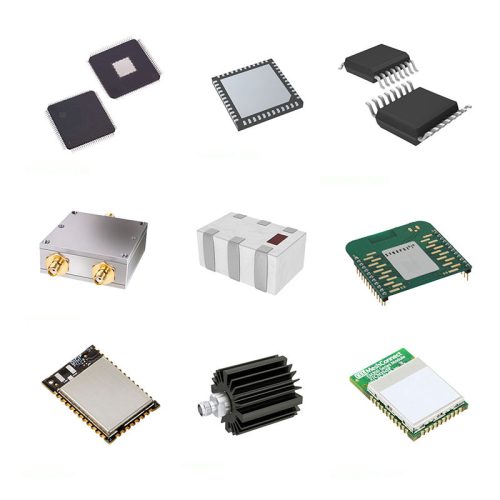
QCC-711-1-MQFN48C-TR-03-1 Bluetooth Audio SoC with MQFN48C Package
-

0339-671-TLM-E Model – High-Performance TLM-E Package for Enhanced Functionality
-
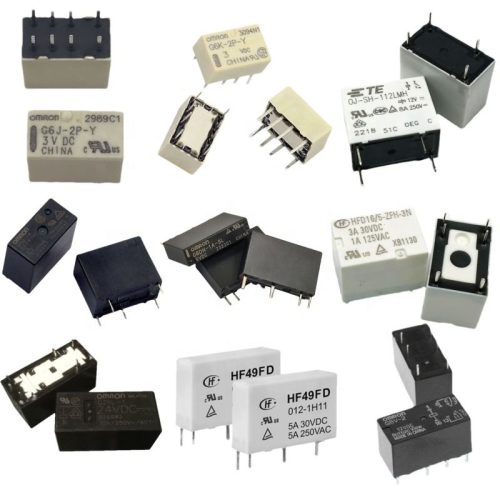
1-1415898-4 Connector Housing, Electrical Wire-to-Board, Receptacle, Packaged
Trusted globally, IC Manufacturer offers dependable access to the SN74LVC1T45, supporting professionals working in mixed-voltage design environments.
Technical Parameters and Operating Specs
| Feature | Description |
|---|---|
| Logic Family | LVC (Low-Voltage CMOS) |
| Directionality | Bidirectional with DIR control |
| Drive Strength | 24 mA |
| Static Current | Low |
| Operating Temp | -40??C to +125??C |
| Mounting | Surface Mount (SOT-23-6) |
Typical Applications
- Voltage translation between 1.8V, 3.3V, and 5V logic systems
- Embedded microcontroller system interfacing
- Signal level adjustment in UART, SPI, or GPIO networks
- Portable and battery-powered sensor interfaces
Frequently Asked Questions (FAQ)
What is the SN74LVC1T45 used for?
It serves as a bidirectional level translator that enables signal exchange between different logic voltage domains, such as from a 3.3V MCU to a 5V peripheral.
📩 Contact Us
How does the direction control work?
The DIR pin determines data direction. When DIR is high, data flows from A to B. When DIR is low, data flows from B to A, ensuring controlled signal propagation.
Can it be used in battery-powered applications?
Yes. With its low static power consumption and efficient push-pull outputs, the SN74LVC1T45 is well-suited for low-power, portable designs.
Is it compatible with open-drain buses like I2C?
Not directly. I2C uses open-drain signaling; this device uses push-pull outputs and requires careful use or direction control logic for I2C compatibility.
What are its main advantages over passive level shifters?
It provides faster operation, consistent logic thresholds, active drive capability, and improved reliability in complex and fast digital interfaces.
